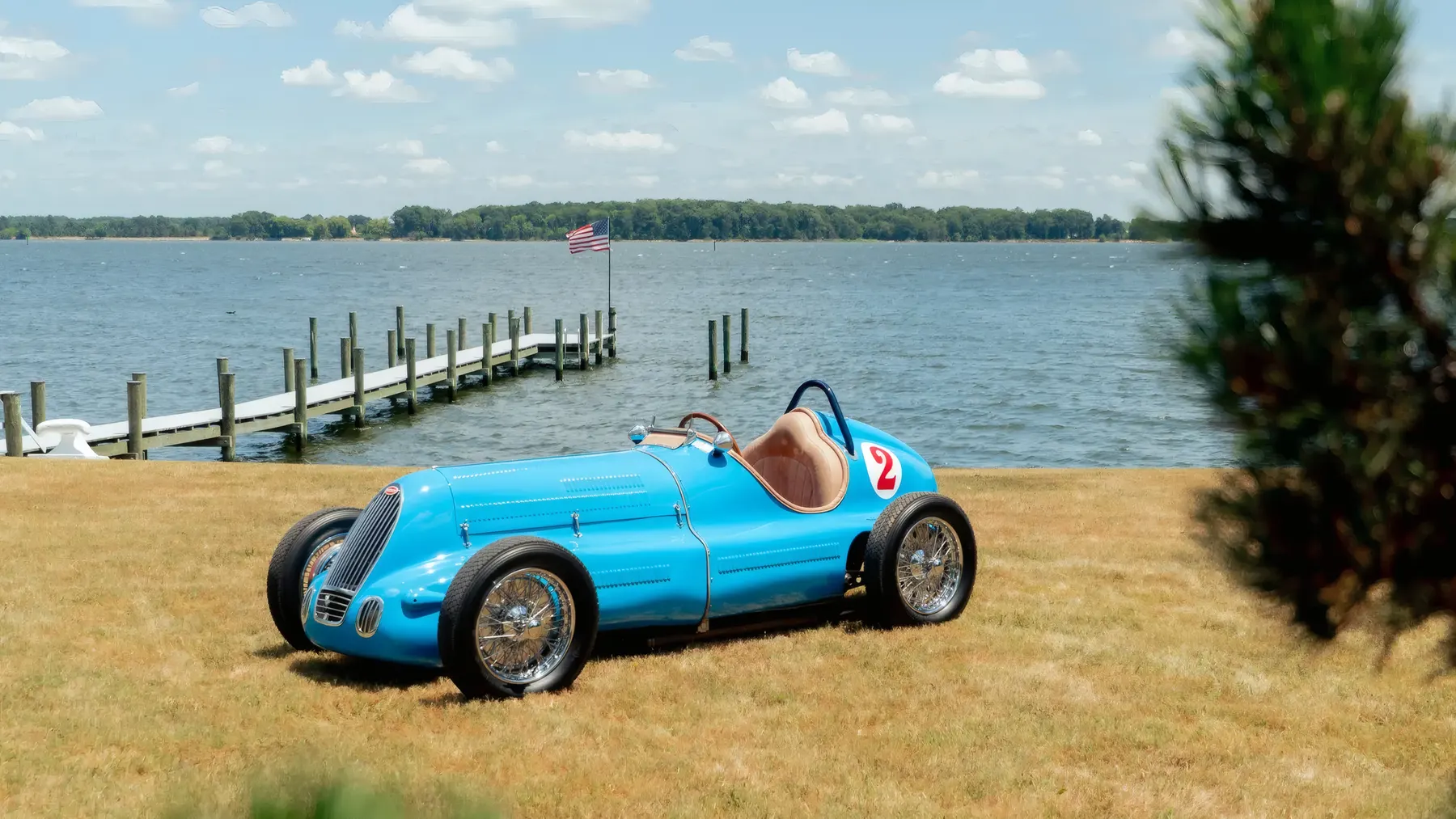
1935 Bugatti Type 57 Monoposto
Ettore Bugatti never sanctioned a Type 57 monoposto. No chassis card at Molsheim carries the designation, no factory photograph shows a single-seat Type 57 on a start line, and no period road test so much as me...
Curated collection
Established and recognisable cars transformed through substantial mechanical, structural or functional change while deliberately preserving the identity that made the original iconic.
Collection note
Once a car becomes an icon, redesigning it becomes more difficult rather than less. Its proportions, character and reputation create boundaries that engineers cannot ignore, yet changing circumstances may demand more performance, a different body style, new technology or an entirely new purpose. This collection gathers cars that confronted that problem through genuine reengineering rather than cosmetic revision. Their familiar identity remains visible, but beneath it sits meaningful change: altered structures, substantially revised powertrains, new chassis solutions, different driveline layouts, lightweight construction, redesigned suspension or a body reworked to perform a role the original was never asked to fulfil. Some were evolutionary factory developments intended to keep an ageing concept competitive; others were more radical reinterpretations that used a famous design as the starting point for something functionally different. What connects them is the tension between preservation and reinvention. The engineers had to decide which characteristics were essential to the car’s identity and which could be discarded in pursuit of the new brief. The most successful examples feel simultaneously familiar and transformed - recognisable enough to belong to an established lineage, yet different enough that their engineering tells a separate story. These are icons that were not merely updated, but reconsidered from the inside out.
Ettore Bugatti never sanctioned a Type 57 monoposto. No chassis card at Molsheim carries the designation, no factory photograph shows a single-seat Type 57 on a start line, and no period road test so much as me...

Ford's engineers cut the cupholders and the driver's-side storage bin from the second-generation GT to save weight, then turned around and left the air conditioning and the stereo in place. That single decision...

Porsche spent the better part of two decades convincing 911 Turbo buyers that all-wheel drive and a twin-clutch gearbox were simply how a fast 911 should work, the safest way of putting big turbocharged power d...
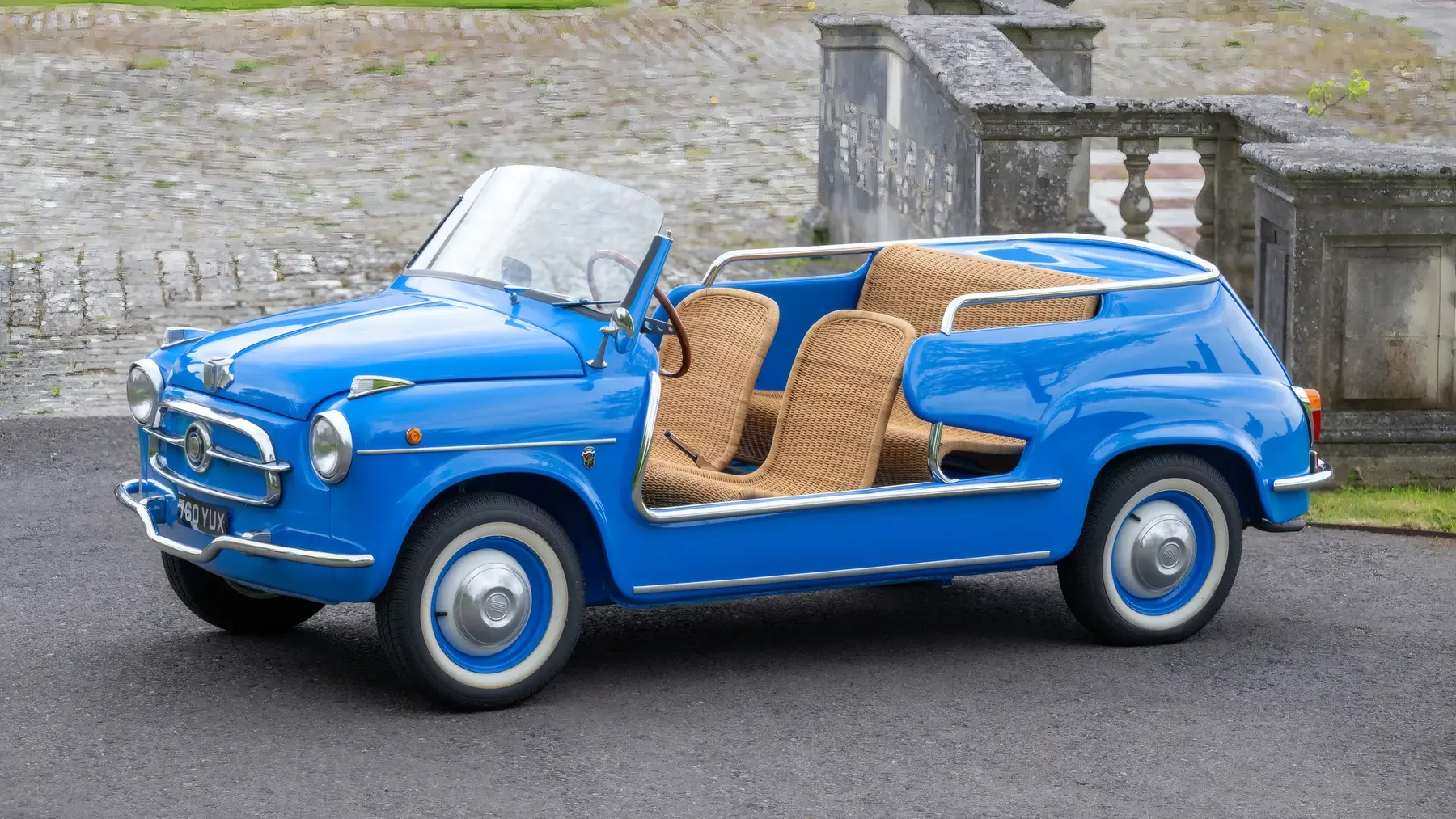
Dante Giacosa's Fiat 600 was built on a thoroughly sensible premise: put four people and their shopping into the smallest, lightest, cheapest car that could still keep up with traffic, and make it simple enough...
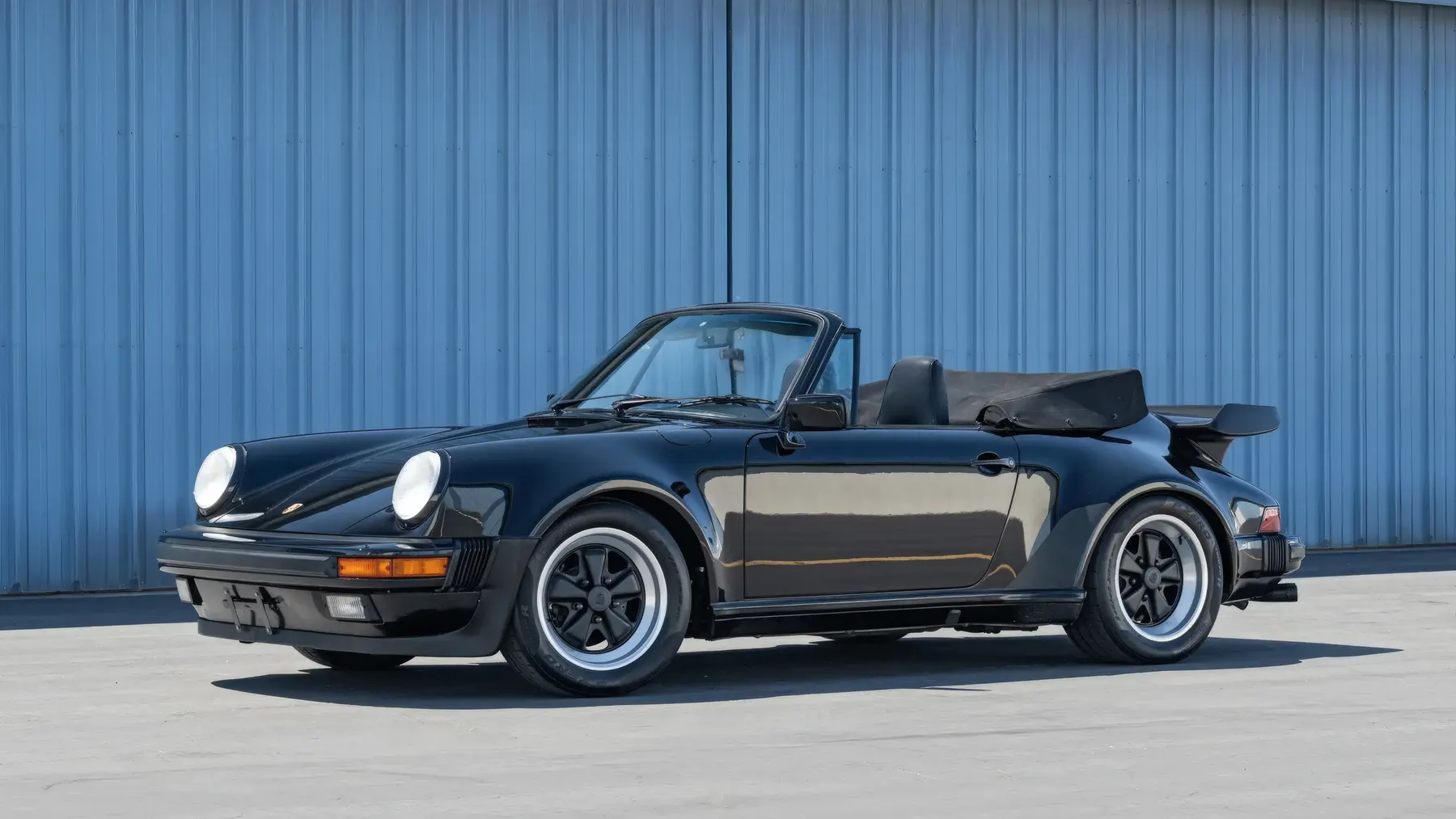
Take away a 911's roof and something structural goes missing along with the sheet steel. The lid ties the body together, tensioning the shell against the twisting loads a monocoque experiences on real roads. Do...

Ferrari's Capital Markets Day is normally a spreadsheet affair - five-year plans, margin targets, delivery projections delivered to a room full of institutional investors. In September 2018, Maranello used that...
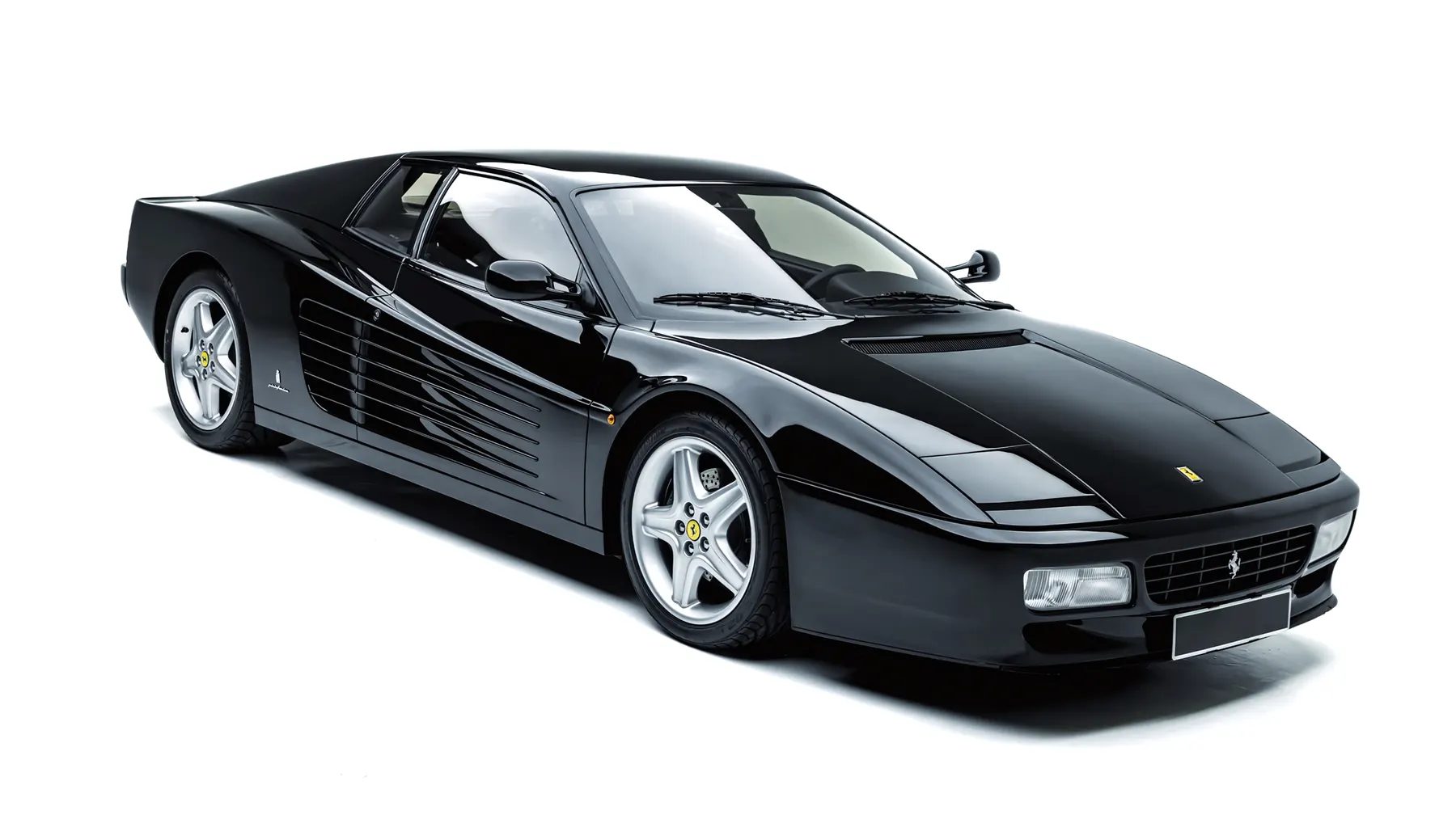
When Ferrari's engineers stood up at Fiorano in early 1992 to explain what they had done to the Testarossa, the most telling detail was what they had been told to leave alone: the silhouette. Pininfarina's swoo...
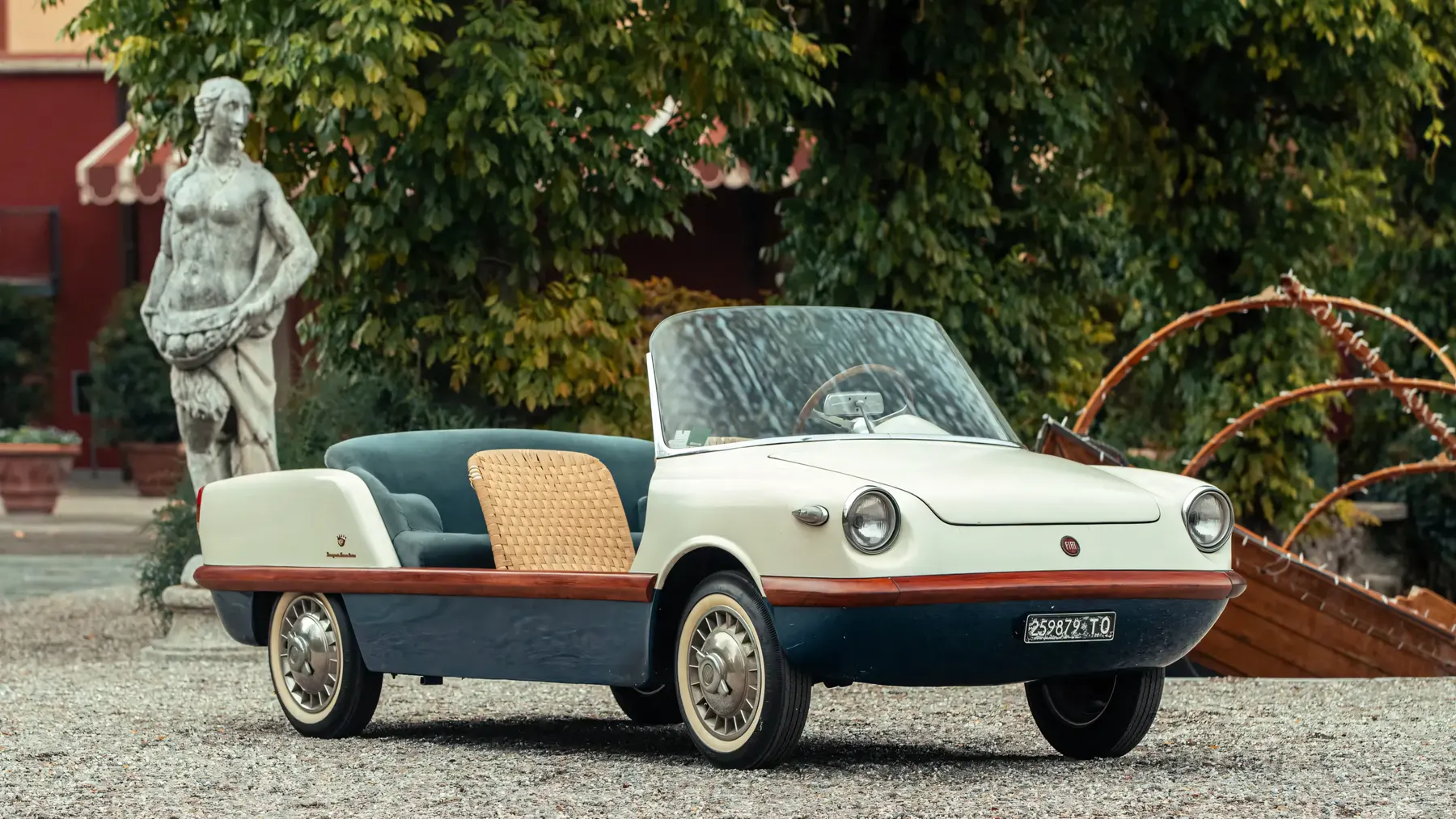
Gianni Agnelli didn't commission the Fiat 500 Spiaggina Boano to be admired in a showroom, or even driven very far. He wanted something to ferry his houseguests down the hillside at Villa Leopolda, his estate a...
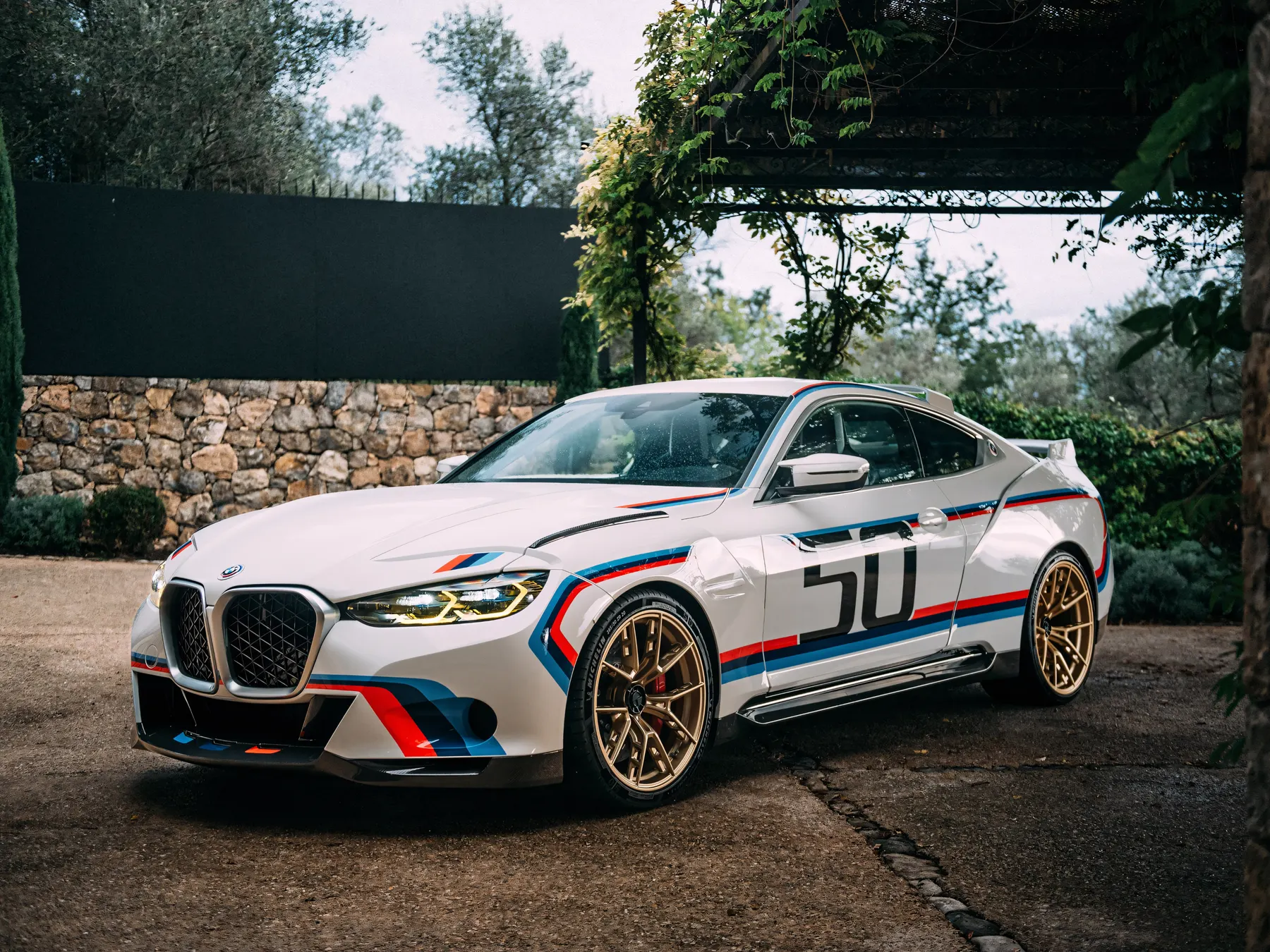
The original BMW 3.0 CSL existed because a rulebook demanded it: BMW needed a lighter, road-legal coupé to go touring-car racing, and the road car was the price of admission. Its 2023 namesake exists because a...

Inside Rolls-Royce's Crewe drawing office in the early 1950s, the car that became the Bentley R-Type Continental was filed under a name it would never officially carry. Engineers' chassis cards described the pr...