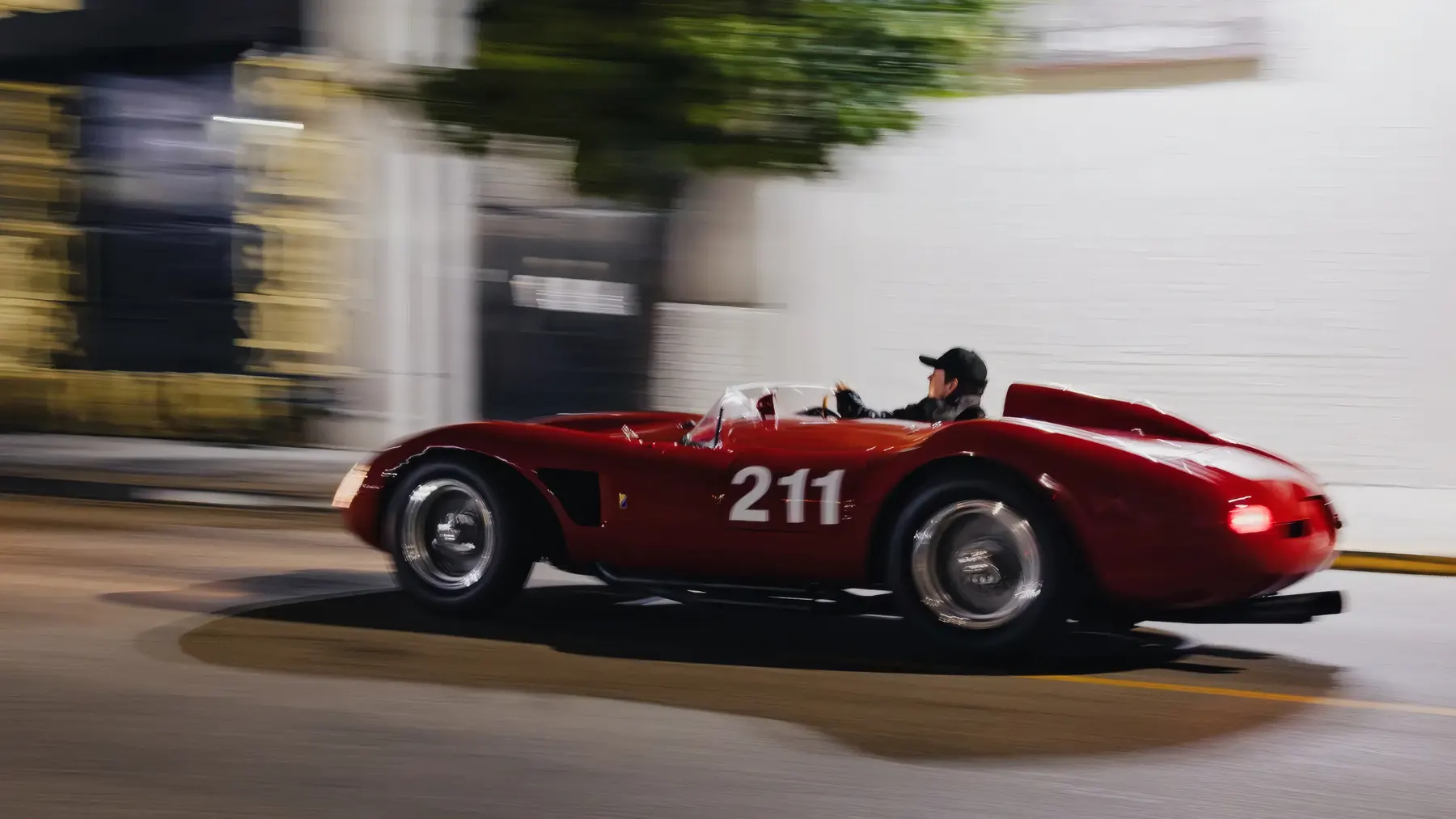
Ferrari 625 TRC Spider: The Four-Cylinder Testa Rossa That Came First
1957 Ferrari 625 TRC Spider by Scaglietti
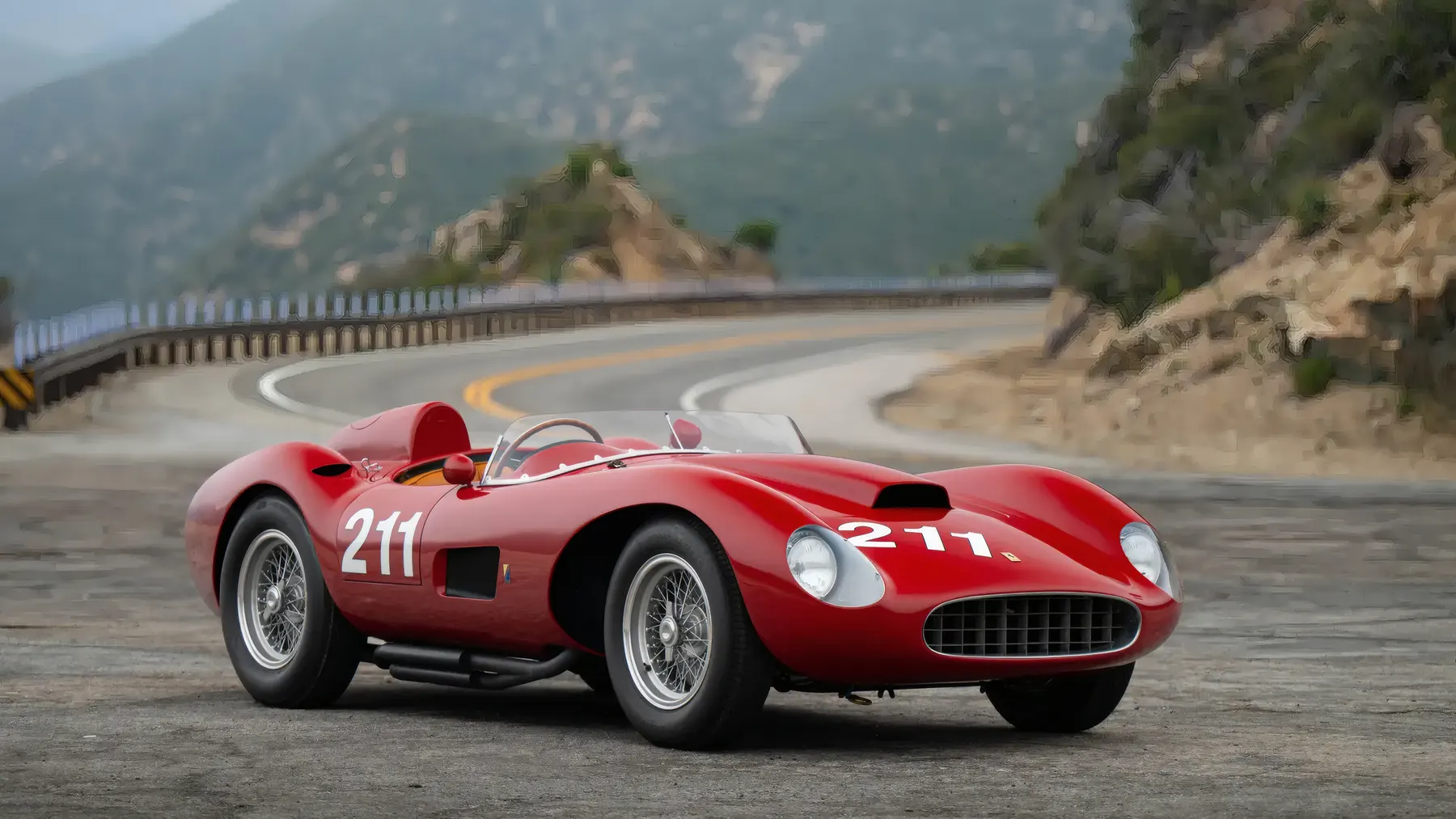
Images: Robin Adams / RM Sotheby's
The name “Testa Rossa” belongs, in most minds, to a V12. The 250 Testa Rossa that Ferrari campaigned to outright victory in the 1958 World Sportscar Championship has become one of the canonical objects of automotive romanticism - a car so visually and acoustically complete that it has effectively rewritten the history of the name it carries. Yet the Testa Rossa designation had already been in use for two years when the 250 arrived, applied to a very different machine: a customer competition spider with an inline four-cylinder engine, a red-painted cam cover that gave the lineage its literal meaning, and a body shaped by Sergio Scaglietti’s craftsmen working in close proximity to the Ferrari factory. The 625 TRC Spider is, in the most precise sense, the original Testa Rossa. The fact that it has been almost entirely eclipsed by its V12 successor says something about the power of twelve cylinders to rewrite automotive narrative.
The numerical designation is Ferrari’s own shorthand for cylinder displacement. The 625 TRC’s engine - catalogued as the Tipo 128 F - was a twin-overhead-cam inline four producing approximately 625cc per cylinder, giving a total displacement of around 2,498cc. This architecture was not conceived for sports car racing; it descended directly from Ferrari’s Formula 1 programme of the early 1950s, where the four-cylinder had shown genuine speed before the regulatory landscape and the arrival of better-funded rivals brought its competitive run to a close. By 1957, the four-cylinder had found a second home in the sub-3.0-litre sports-racing class, where its specific power output and the light weight it permitted could still challenge more powerful but heavier machinery. Fitted with twin Weber carburettors and developed with Maranello’s habitual thoroughness, power was in the region of 175 bhp - enough, in a car weighing approximately 620–640 kg, to deliver a power-to-weight ratio that justified serious competition entries at the national and international level.
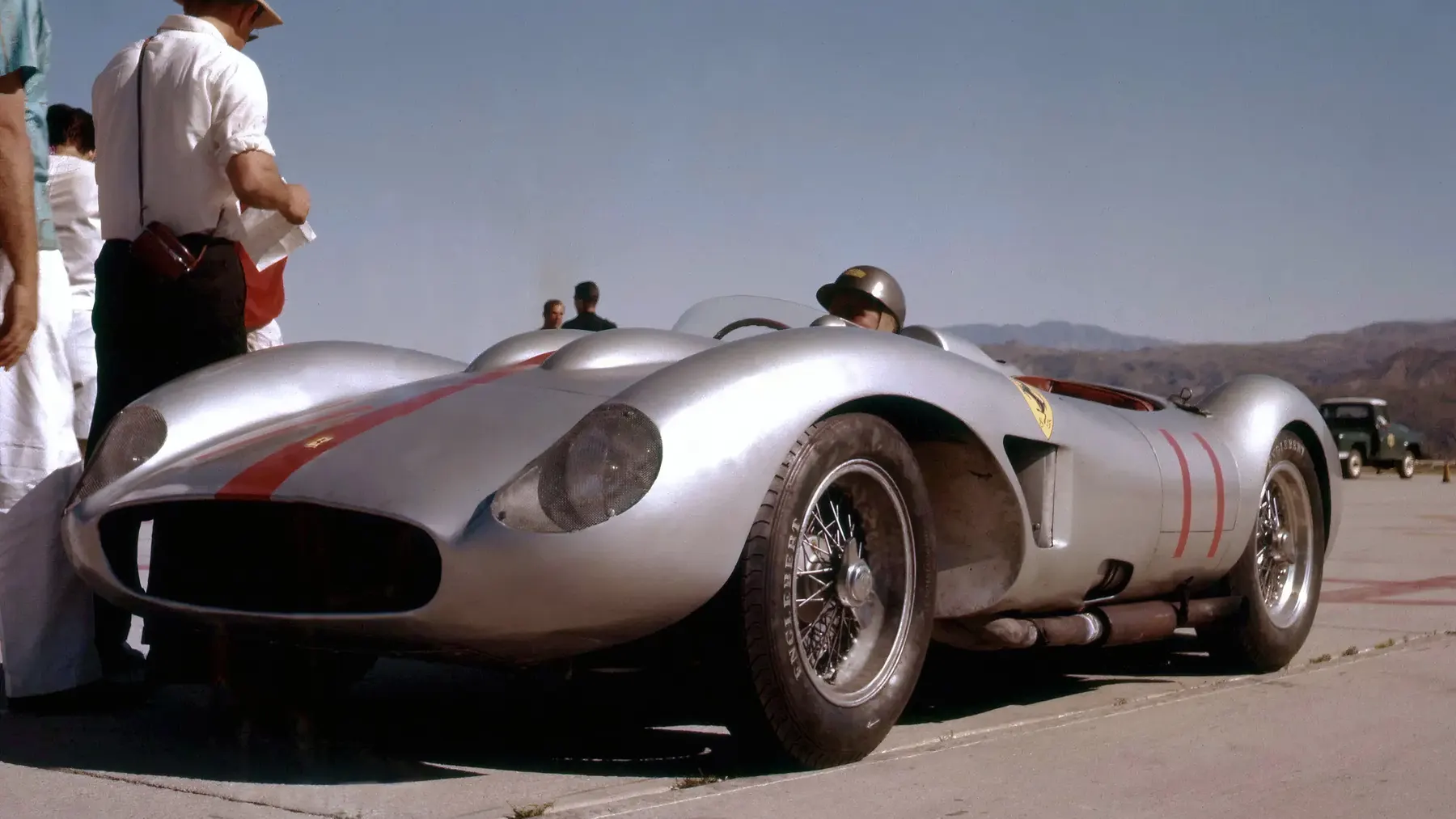
The 625 TRC arrived as a natural evolution of the 500 TRC, which had applied the same four-cylinder architecture at 2.0 litres. The chassis philosophy was inherited: a steel tubular ladder frame, independent front suspension by double wishbones, and a rear end drawing on established Ferrari sports-racing practice. In a period when many Italian manufacturers were still using relatively simple rear suspension layouts, Ferrari’s engineering attention to axle location helped the car transmit its power with some precision. The gearbox was a four-speed unit, the drum brakes functional rather than sophisticated by later standards, and the whole package was trimmed of unnecessary weight with the single-mindedness that Maranello applied to its competition machinery regardless of price bracket. These were not showcase cars. They were tools.
What Scaglietti added to this chassis was not simply a body but a character. Sergio Scaglietti’s relationship with Enzo Ferrari was something close to fraternal - the two men shared roots in the same corner of the Emilian plain, and when Ferrari consolidated operations at Maranello in the postwar years, Scaglietti’s carrozzeria followed the orbit naturally. By the mid-1950s, Scaglietti was effectively Ferrari’s in-house racing body builder, working in direct conversation with the factory’s engineers and producing aluminium bodywork by hand in a workshop culture that measured quality through touch and eye rather than jig and template. The 625 TRC’s spider body reflects this method. The pontoon-fender treatment - rising front wings separated from the bonnet by functional clearances, a low windscreen, and a cockpit trimmed to the bare minimum - was shaped partly by aerodynamic reasoning and partly by the practical need to manage cooling on a car that would spend extended periods at high speed. The result is beautiful in the functional, undecorated way of competition machinery that has not been asked to sell itself to anyone other than a racing driver.
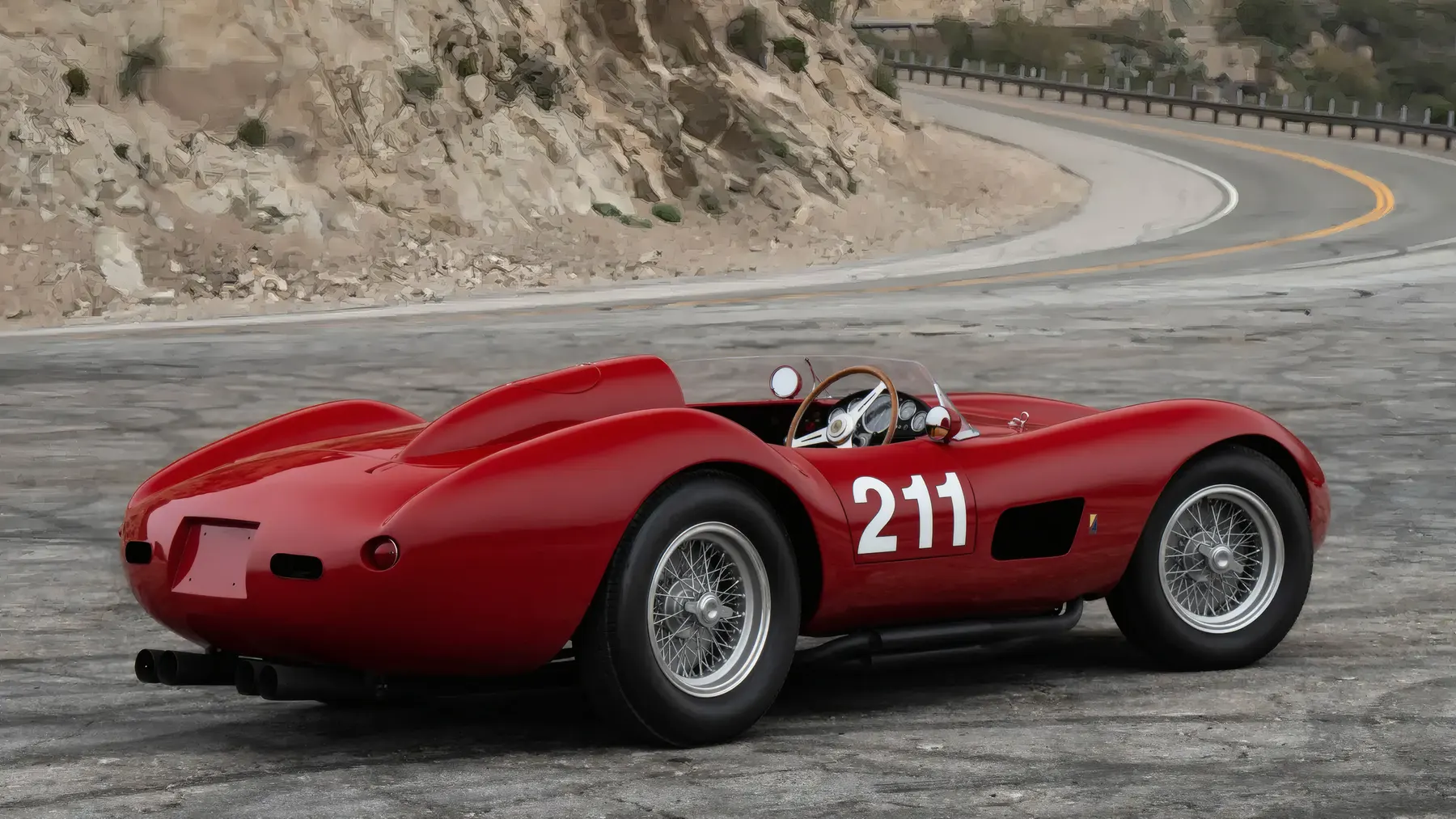
Production of the 625 TRC was extremely limited. Only a small number of examples were built - sources vary and the car’s relative obscurity makes definitive accounting difficult, but the total was certainly in single digits. These were expensive factory-supplied competition cars, built to order for serious privateer teams with the resources and mechanical knowledge to campaign a Ferrari racing programme competently. Luigi Chinetti, Ferrari’s North American distributor and Le Mans winner, was a primary conduit for placing such cars with American clients, and the SCCA race programme in the United States - with its class-based structure - offered the 625 TRC a natural environment where well-prepared 2.5-litre machinery could compete effectively against less specialised entries. That American market was important to Ferrari’s business model in this period, and cars like the 625 TRC maintained the factory’s visibility among the wealthy privateer community that would underpin Ferrari’s commercial expansion through the following decade.
The weaknesses of the 625 TRC concept become clear in context, and they are worth stating plainly rather than papering over. The four-cylinder engine, however well-developed, was facing a structural problem as much as a tuning one: 2.5 litres distributed across four cylinders produces inherently more vibration and mechanically coarser running than an equivalent displacement spread across six or eight cylinders, and the four-cylinder’s breathing characteristics placed a practical ceiling on power output at precisely the point where Ferrari’s own V12 customer machinery was beginning to offer substantially more. More damaging to the 625 TRC’s prospects was how quickly its competitive window closed. The car was effectively overtaken within a single season by the arrival of the 250 Testa Rossa and, for privateers working to a lower budget, increasingly competitive 250 GT variants. A car that had cost significant money to acquire and demanded factory-level preparation to maintain at race fitness found its performance envelope enclosed with a speed that offered the original purchasers little return on their investment. This was not slow-burning obsolescence - it was near-immediate, and it was caused by Ferrari’s own engineering progress.
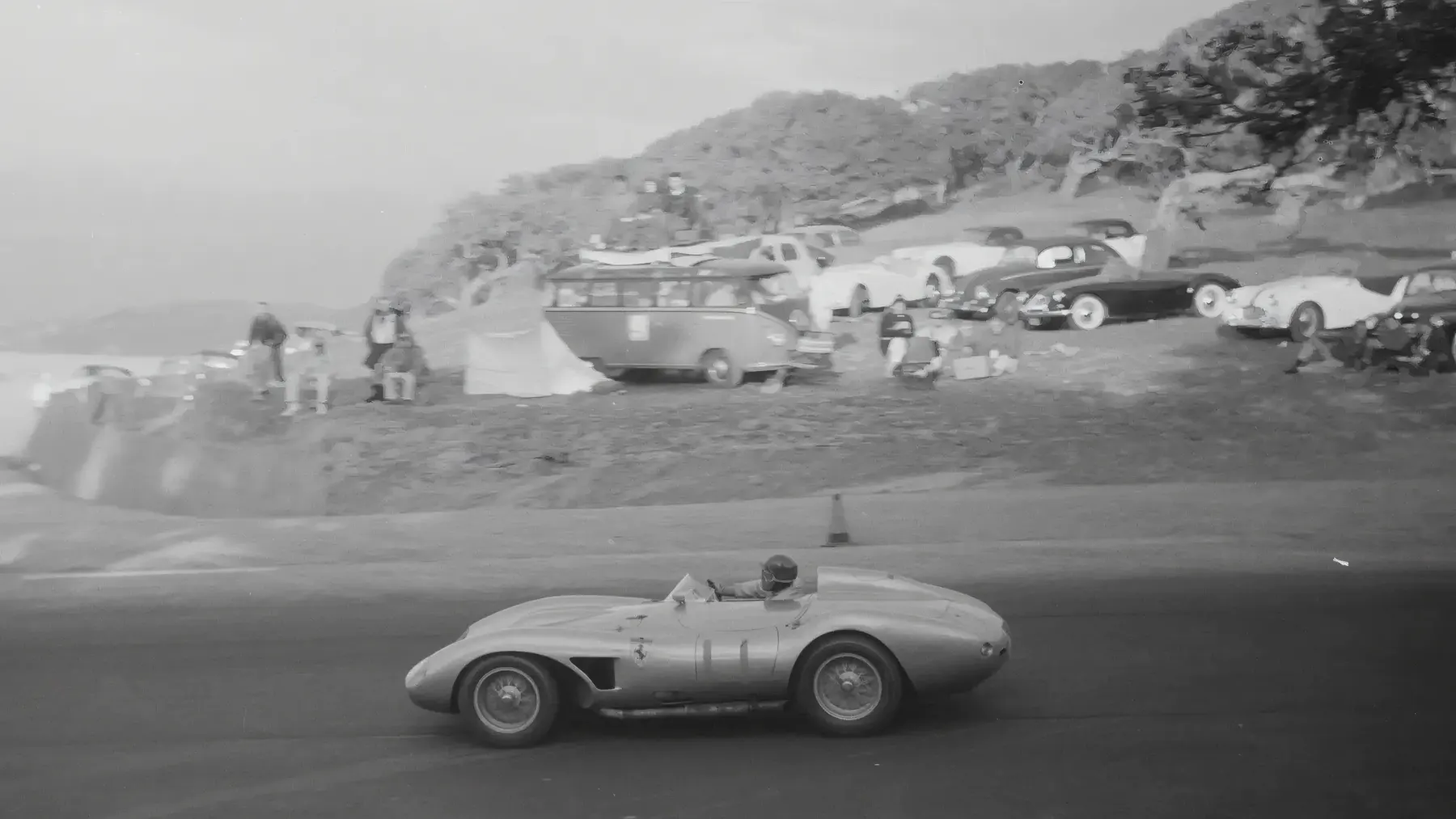
The documentation problem compounds everything about the 625 TRC. When production numbers are this small and competition careers are this hard on aluminium bodywork, establishing the precise identity and history of surviving examples requires the kind of careful archival work that not all claimed provenance can support. Ferrari’s factory records from this period are incomplete, and the market for rare 1950s Italian racing Ferraris has historically attracted both genuine scholarship and motivated revisionism in roughly equal measure. The rarity of the 625 TRC is genuine and its historical position is legitimately interesting, but any collector approaching one should treat the verification question with the same diligence they would bring to any car operating at the intersection of documented scarcity and substantial financial value.
What the 625 TRC Spider represents, seen clearly, is a transitional object of considerable historical interest and modest competitive achievement. It carried a name that would go on to define the most celebrated chapter of Ferrari sports-racing history, and it emerged from the same combination of Maranello engineering and Scaglietti craftsmanship that produced the cars everyone knows. But it did so at a moment when the four-cylinder’s time had effectively run out, in a production run so small it barely registered in race reports, and with a competitive lifespan measured in seasons rather than years. That combination - genuine rarity, craftsman beauty, direct lineage to the cars that mattered, and the particular limitation of being the one that came just before - is precisely what makes the 625 TRC a more honest window onto how Ferrari actually worked in the 1950s than the tidier V12 legend allows.