Ferrari 250 GT Cabriolet Series II: When Pinin Farina Chose Restraint and Changed Everything
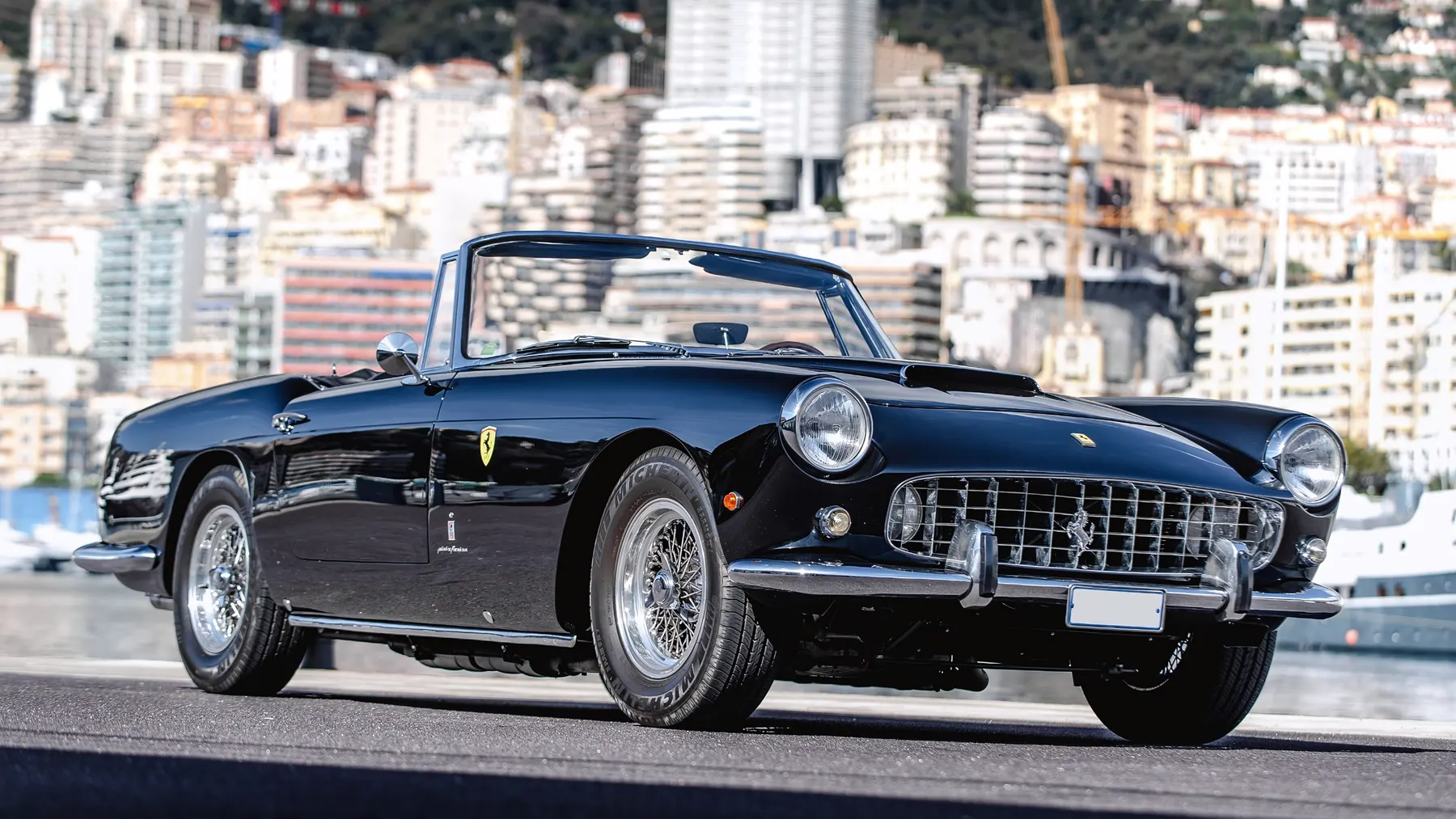
1960 Ferrari 250 GT Cabriolet Series II by Pinin Farina
Images: Loïc KERNEN / RM Sotheby's
Enzo Ferrari had complicated feelings about road cars. He built them because they funded his racing programme, kept his engineers occupied between campaigns, and maintained relationships with clients wealthy enough to occasionally purchase competition machinery as well. The 250 GT Cabriolet Series II, produced from 1959 through 1962 with bodies by Pinin Farina, was the clearest expression of that commercial logic during what many regard as Ferrari’s most artistically coherent era. That it turned out to be one of the most visually resolved open cars of the twentieth century was something Pinin Farina brought to the arrangement almost despite Ferrari’s priorities, not because of them.
Understanding the Series II requires understanding what it replaced and why that replacement mattered. The first series of the 250 GT Cabriolet, built from approximately 1957 through 1959, reflected an earlier stylistic vocabulary - taller greenhouse, more sculptural flanks, detailing that connected it to the decorative instincts of mid-decade Italian coachbuilding. It was not an unsuccessful design, but by 1959 the aesthetic direction had shifted sharply. Clients on both sides of the Atlantic were responding to cleaner, lower, more confident shapes, and Pinin Farina understood this better than anyone. The Series II was their answer: a body that maintained every centimetre of visual drama the Ferrari name demanded while stripping out the decorative grammar that was beginning to look like effort.
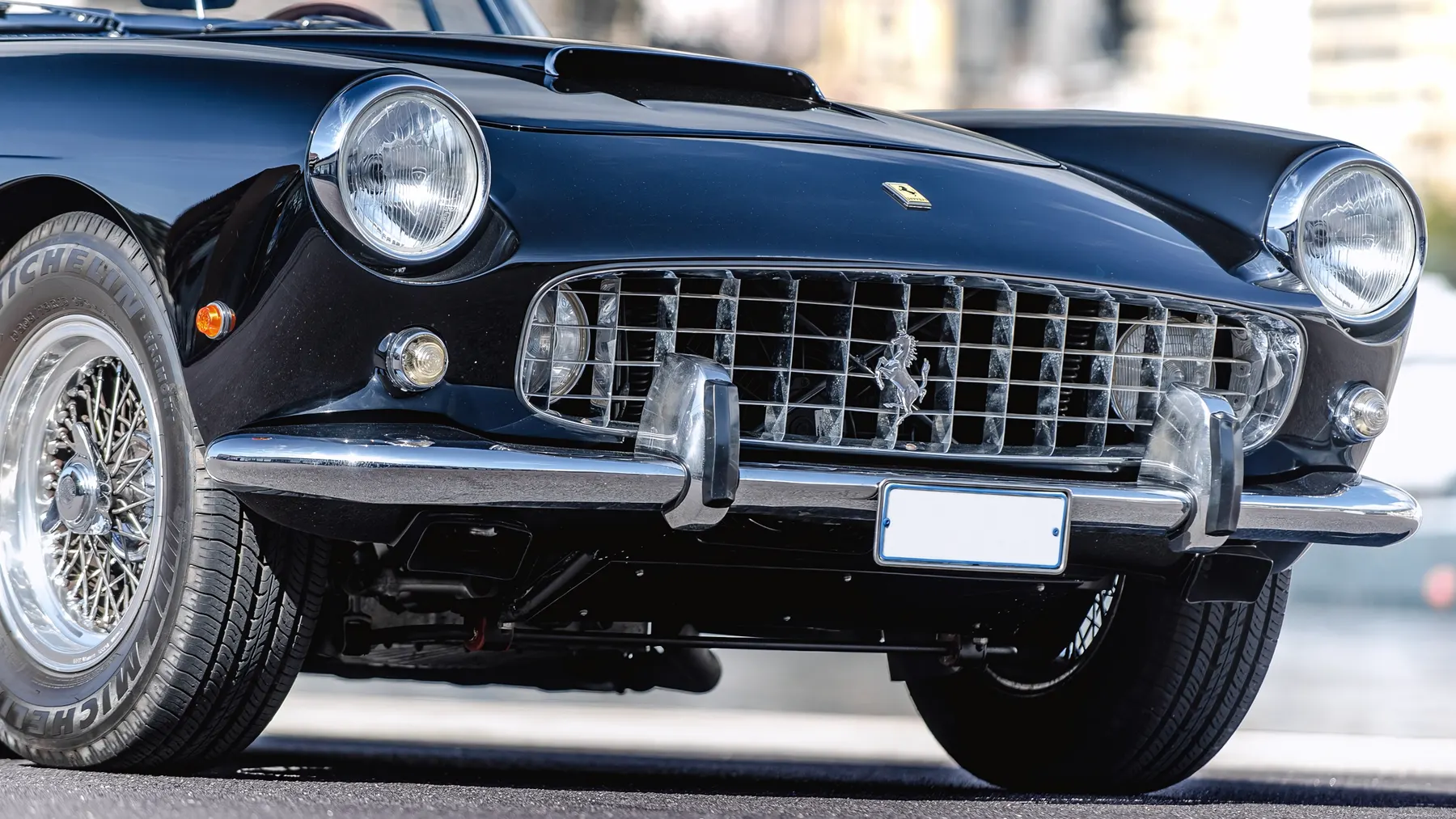
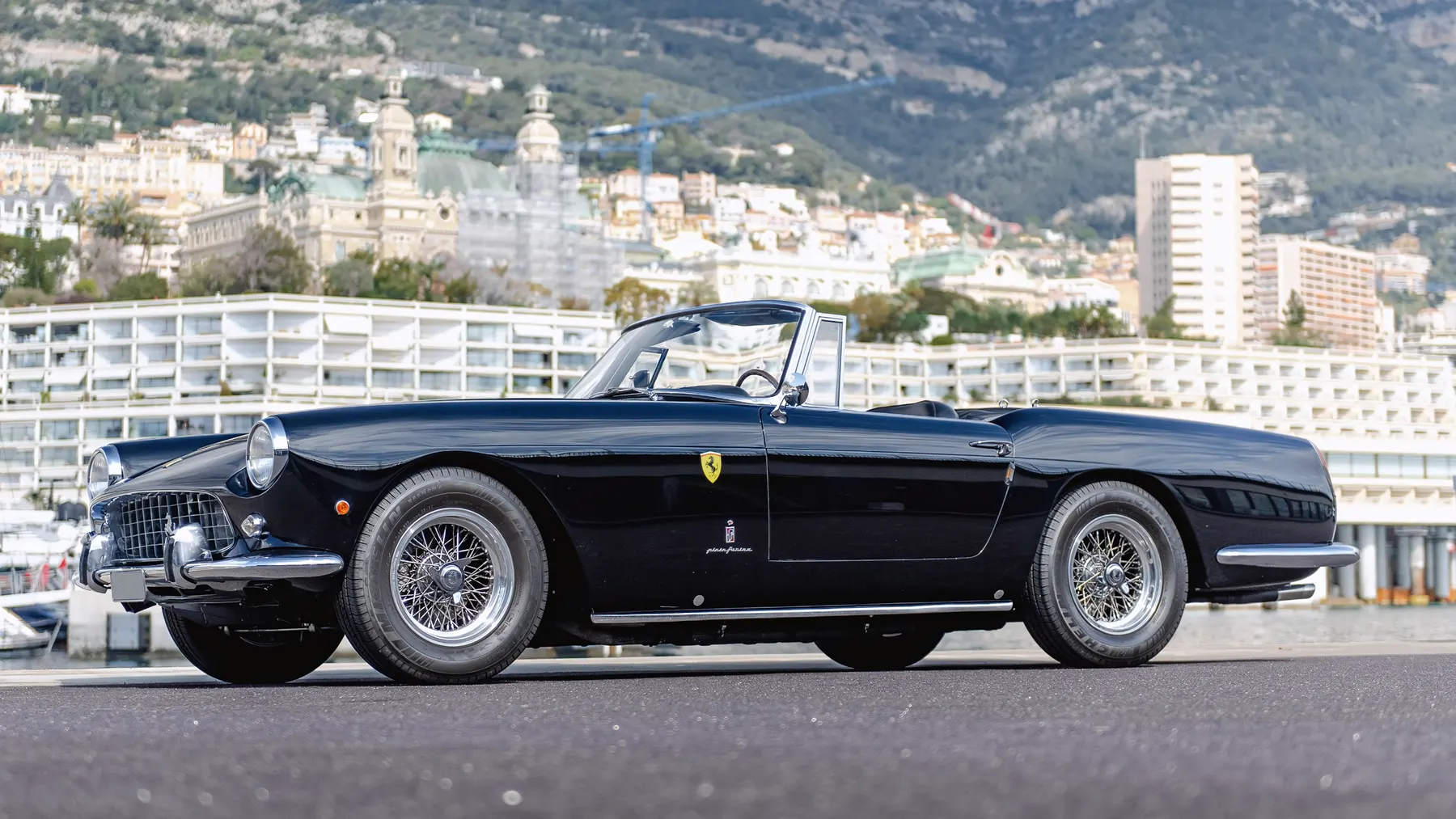
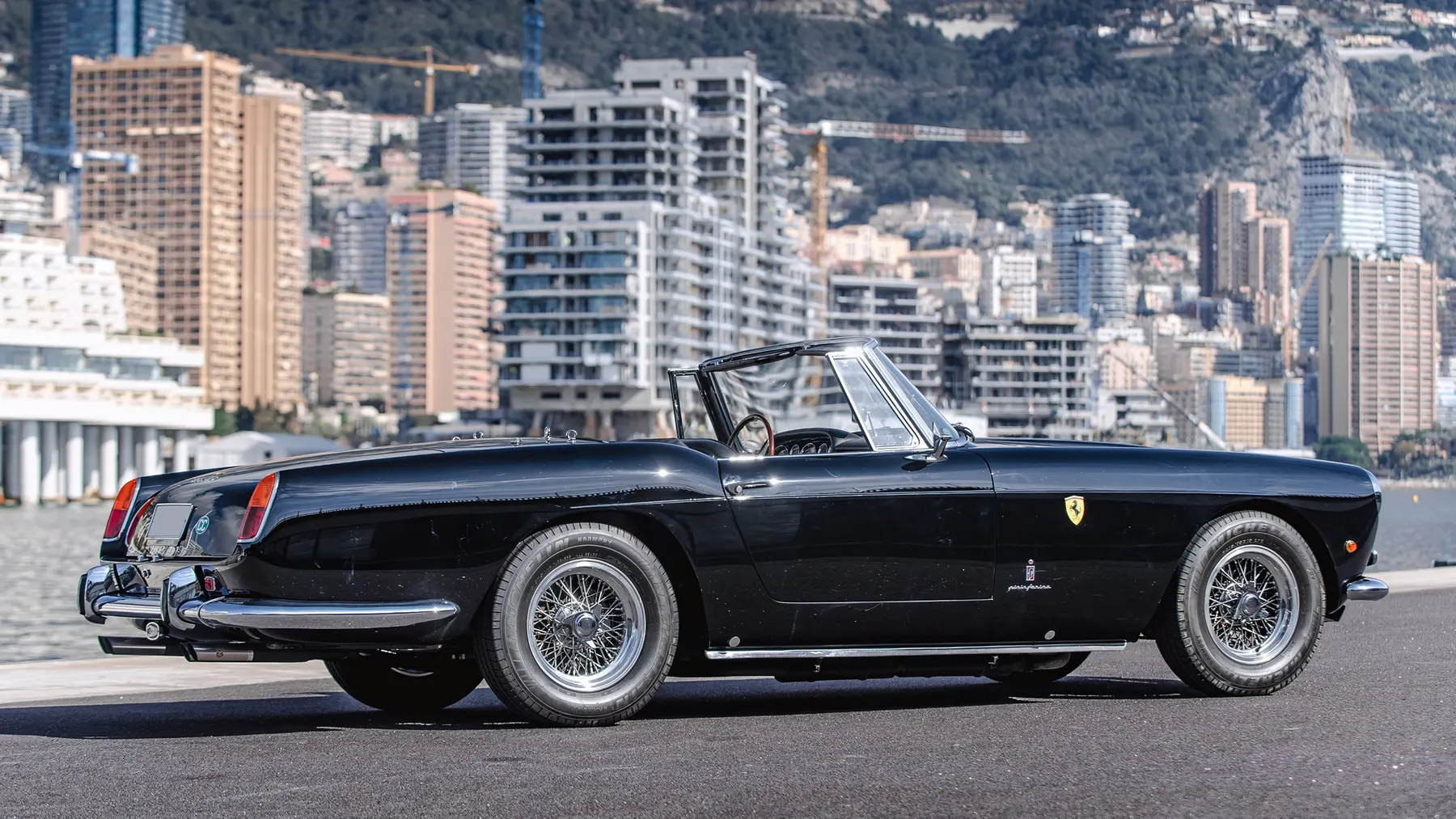
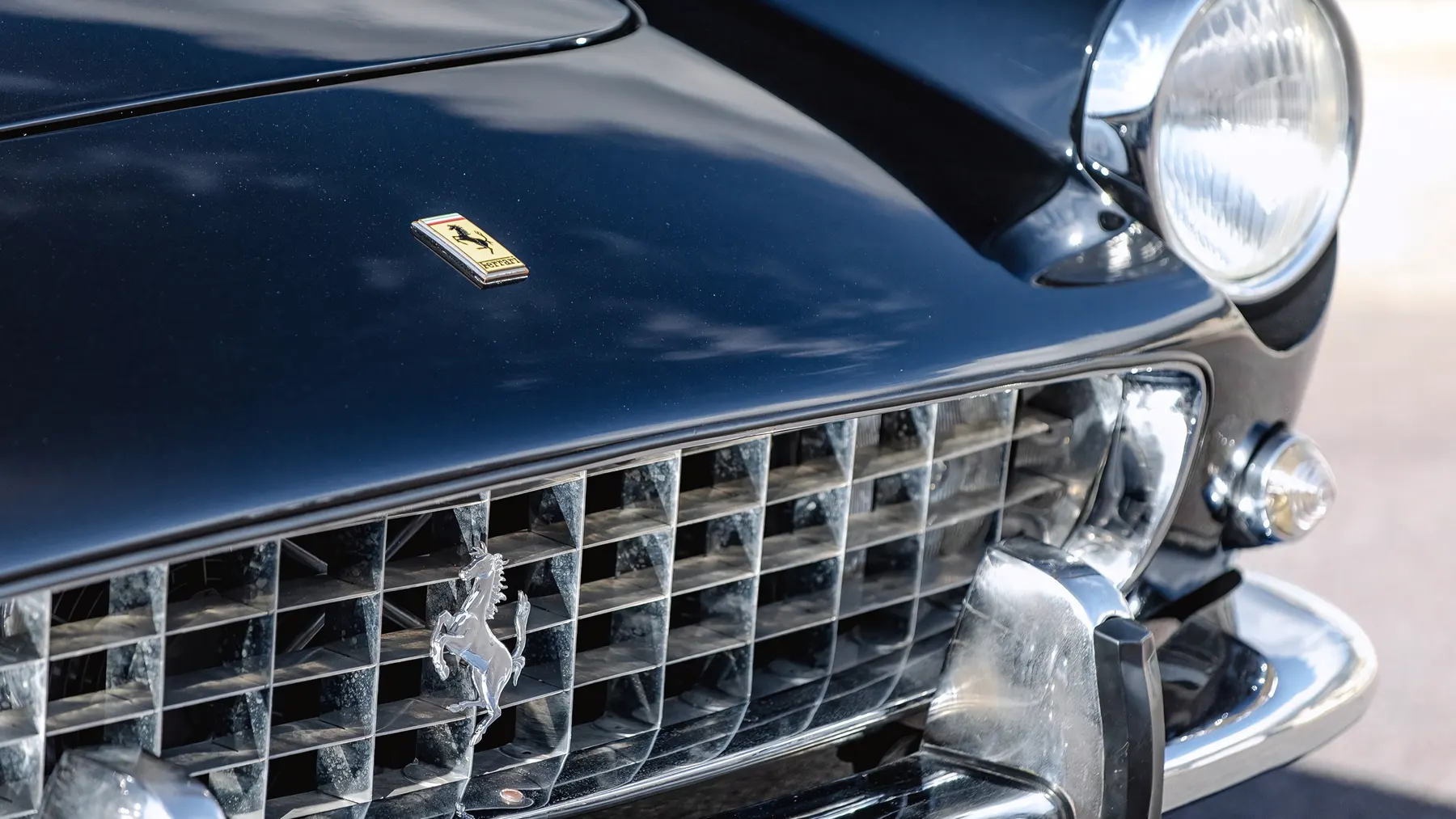
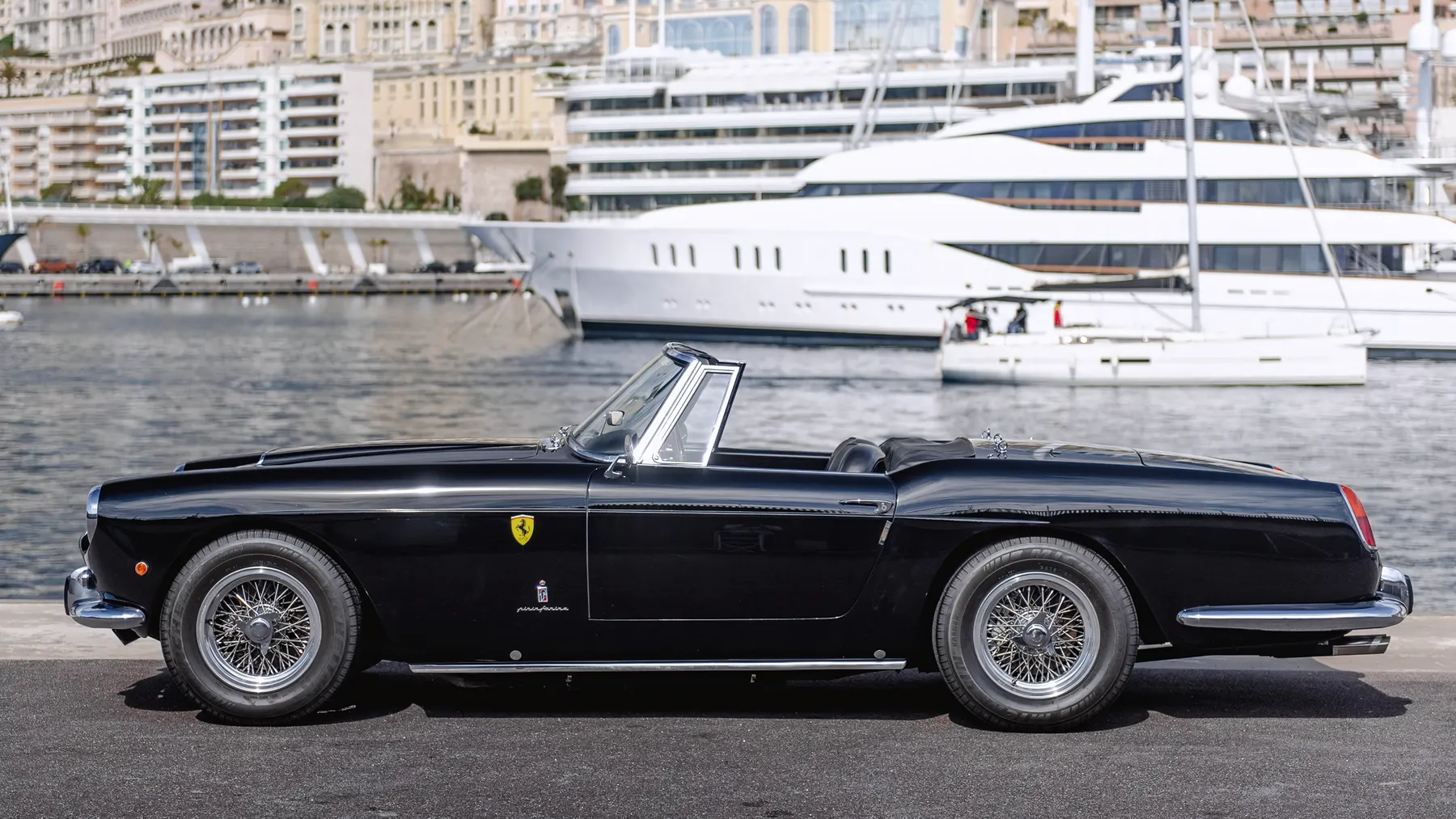
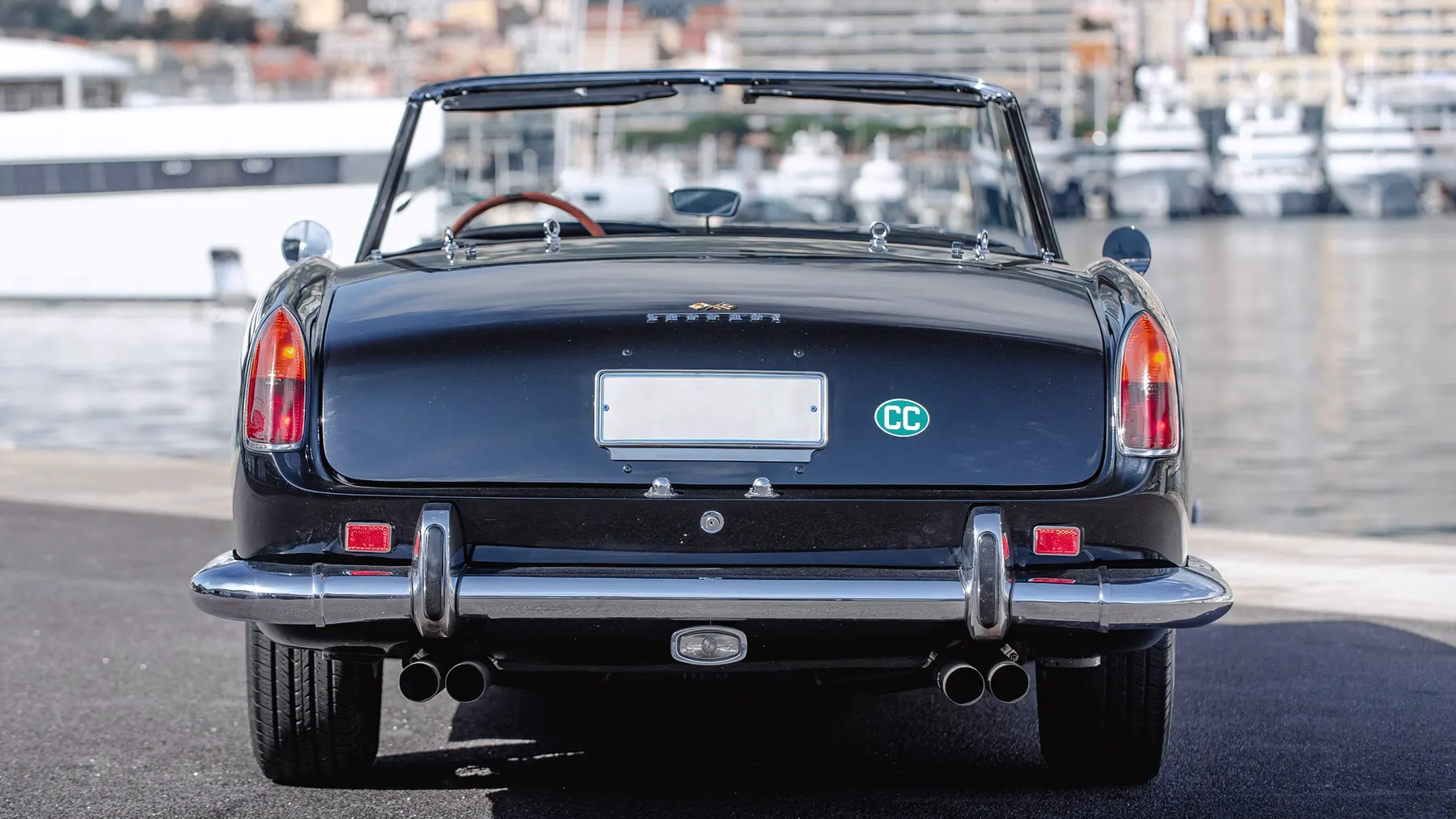
What Pinin Farina produced was a study in controlled confidence. The beltline dropped considerably compared to its predecessor, the nose became leaner, and the relationship between bonnet length and passenger compartment achieved an equilibrium that still reads as correct rather than merely period. The windscreen frame had an elegant rake without tipping into the theatrical; the door cutouts were generous in depth without looking heavy; the tail finished cleanly without the chrome addenda that contemporary coachbuilders sometimes deployed to signal expense. The hand-formed aluminium panels - worked over steel substructure in the traditional manner of Turin coachbuilding - carried a surface quality that photographs struggle to reproduce. These were cars made by craftsmen who understood that a shallow compound curve, executed precisely, communicates more sophistication than a sharper one executed roughly.
The production run coincided almost exactly with a significant corporate moment: in 1961, Battista “Pinin” Farina formally changed his surname, and the company name, to the single-word Pininfarina. The decision formalised something that the design work had been communicating for years - this was no longer one man’s atelier but an institution with a coherent philosophy. The Series II Cabriolet arrived at the inflection point of that transition and carries both identities on it.
Below the skin sat the long-wheelbase 250 GT platform, using a 2,600mm wheelbase tubular steel chassis with independent front suspension via double wishbones and coil springs, and a live rear axle located by semi-elliptic leaf springs. The arrangement was workmanlike, period-correct, and calibrated for long-distance comfort rather than circuit precision - which was appropriate, because no buyer of a Series II Cabriolet was taking it to a track. Early cars retained four-wheel drum brakes; disc brakes arrived during the production run, a meaningful change given the V12’s capacity to accumulate speed quietly and efficiently.
The Colombo-designed 3.0-litre V12 is the car’s defining element and its greatest strength, as it was across the entire 250 GT family. The short-stroke 2,953cc unit - 73mm bore, 58.8mm stroke - with a single overhead camshaft per bank and aluminium construction throughout, breathed through three Weber carburettors and produced approximately 240 bhp in road specification. The figure itself is only half the story. What the Colombo V12 offered that no competitor of 1960 could match was depth of character across its entire rev range: a smooth, layered build from low revs, an increasing urgency through the middle of the range, and a quality of mechanical song at the top end that went beyond any rational description of an internal combustion engine doing its job. Ferrari and his engineers understood that clients were purchasing that sensation as much as they were purchasing a specification sheet, and the engine was calibrated accordingly. The road-going tune sacrificed neither tractability nor the willingness to stretch out when asked.
A four-speed manual gearbox transmitted the drive, with ratios spaced for relaxed progression across a range of gradients and road conditions rather than for quick exploitation. The lever movement had a satisfying mechanical directness, but the change rewarded deliberate inputs rather than impatient ones. For drivers accustomed to the lighter, shorter-throw gearchanges of certain British contemporaries, it occasionally felt studied. In context - crossing the Alps at a touring pace, or moving through French autoroutes in the morning - the calibration made sense. This was not a machine asking to be hurried.
The driving experience that results from this combination is not easily summarised. The V12 establishes its authority immediately from startup, the unassisted steering delivers genuine feel from the front wheels, and the long-wheelbase chassis develops a composed, authoritative rhythm at touring speeds that reduces distance without inducing fatigue. A driver who respects the car’s intent rather than fighting it will cover ground with an efficiency and sensory richness that few contemporaries could match.
That confidence, however, should not obscure the Series II’s genuine compromises, because they were significant and the car deserves honest assessment rather than unconditional admiration. The additional mass inherent in a full cabriolet body - the mechanical hood mechanism, the structural reinforcement required to maintain rigidity without a fixed roof, the heavier interior appointment - pushed the kerb weight toward approximately 1,250 kg or above, a meaningful penalty in a family that also contained the lighter, stiffer SWB Berlinetta. Chassis flex was detectable over broken surfaces in a way that the closed variants did not exhibit, and the handling, while composed within the limits of touring use, deteriorated into something rather vague when pushed toward the rear axle’s limits. The suspension tuning that made extended open-road cruising so pleasant was directly responsible for making spirited driving feel unsatisfying, the two objectives working against each other in the way they inevitably do in road cars of this type.
The roof itself deserves separate honesty. The cabriolet top, while beautifully constructed by the standards of 1960, was never fully weather-tight by the standards of any decade, and raising it transformed the cabin character from sensory spectacle to something considerably more confined. The windscreen sat low, the rearward visibility was compromised, and the cockpit’s ventilation - adequate enough in open-air use - became inadequate with the hood in place. Taller drivers could find the driving position restrictive regardless of hood position. Ferrari’s quality assurance in this period was also inconsistent in ways that buyers at the car’s price level might reasonably have found unacceptable: panel gaps and interior fit that would have been rejected at Aston Martin in Newport Pagnell could appear on cars that had left Maranello at considerably greater expense. These were not isolated incidents but a structural reality of how Ferrari operated - a competition-focussed engineering culture that regarded road car finish as someone else’s problem.
Against its direct competitors, the Series II held a nuanced position. The Mercedes-Benz 300SL Roadster, winding down production in 1963, offered superior engineering consistency and build quality but lacked the 250 GT’s visual authority. The Aston Martin DB4 Convertible provided a more thoroughly sorted chassis, more reliable structural integrity, and a more consistent standard of finish throughout. The Maserati 3500 GT Spyder offered its own convincing argument through an excellent inline-six and handsome Vignale coachwork, and at somewhat less financial commitment. What the Ferrari offered that none of these could replicate was the Colombo V12 - not merely as a performance advantage, though it was competitive, but as an acoustic and tactile experience that justified the additional investment in terms that were difficult to rationalise but impossible to ignore.
The Series II attracted clientele accordingly. American buyers, many channelled through Luigi Chinetti’s import operation, found the combination irresistible as a statement of both means and taste. European clients of the upper social registers bought it as the appropriate warm-weather car, driven between residences as much as between corners. Press coverage of the period concentrated on the styling and engine character, which was accurate reporting - reviewers understood what the car was and assessed it against those criteria rather than holding it to standards it was never designed to meet.
Within the broader 250 GT family, the Series II Cabriolet occupies a position that is simultaneously peripheral and indispensable. The GTO and the SWB Berlinetta are the 250 GT cars that define the era in motorsport history and collector mythology. The Cabriolet is the car that funded their development, attracted the private fortunes that kept the company solvent, and demonstrated that Pinin Farina’s relationship with Ferrari could produce work of lasting architectural quality rather than merely fashionable bodies on performance hardware. The fact that it achieved this while being fundamentally a commercial product - designed to sell, not to race or to shock - makes its endurance as a design reference all the more interesting. Pininfarina had to make it good enough to justify itself on elegance alone, without the transfer of prestige from a Le Mans result or a homologation story. By that measure, and with all its compromises acknowledged, it succeeded.