Ferrari 365 GTC: The Understated V12 Grand Tourer the Daytona Overshadowed
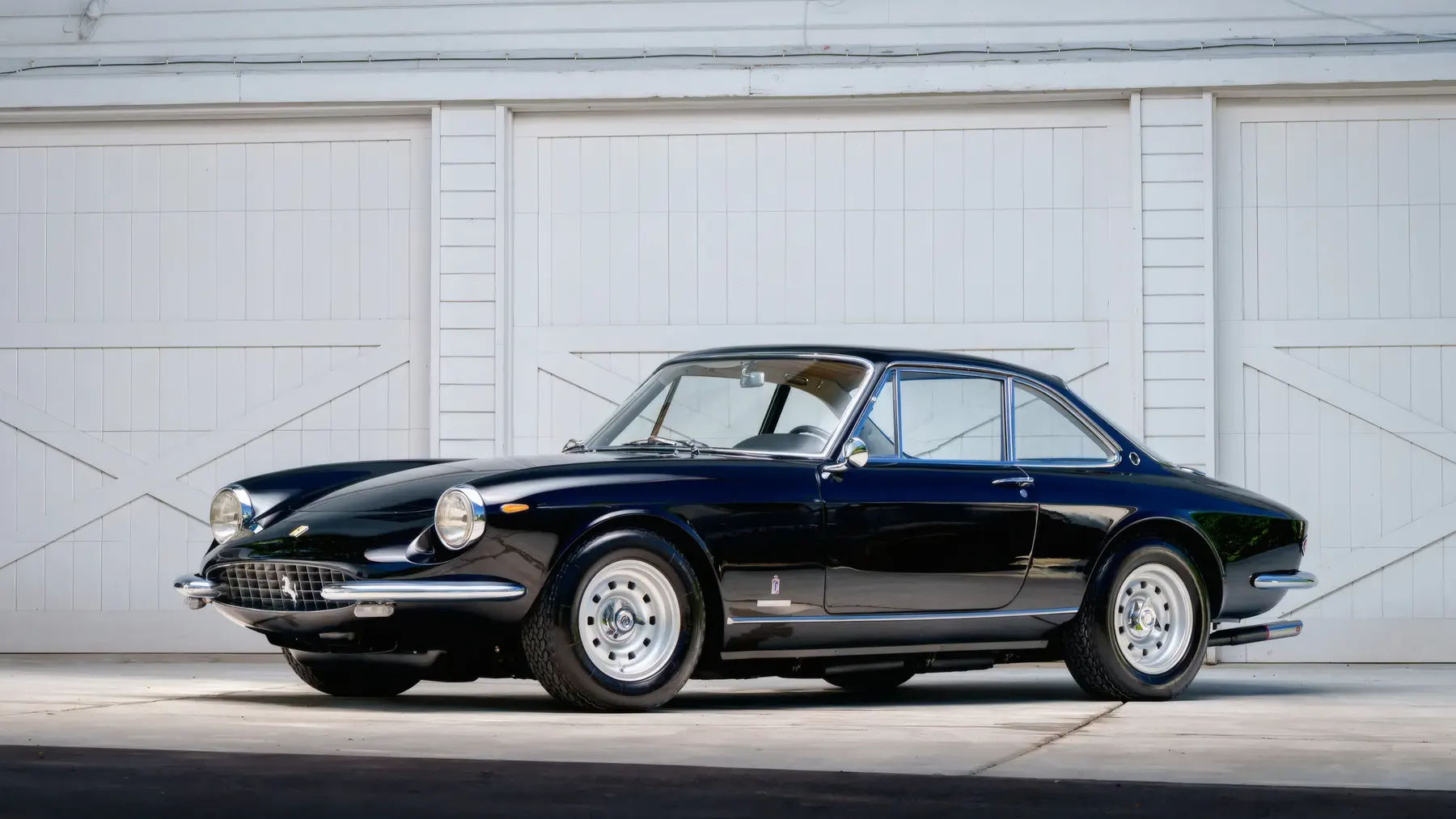
1968 Ferrari 365 GTC by Pininfarina




Images: Josh Bryan / RM Sotheby's
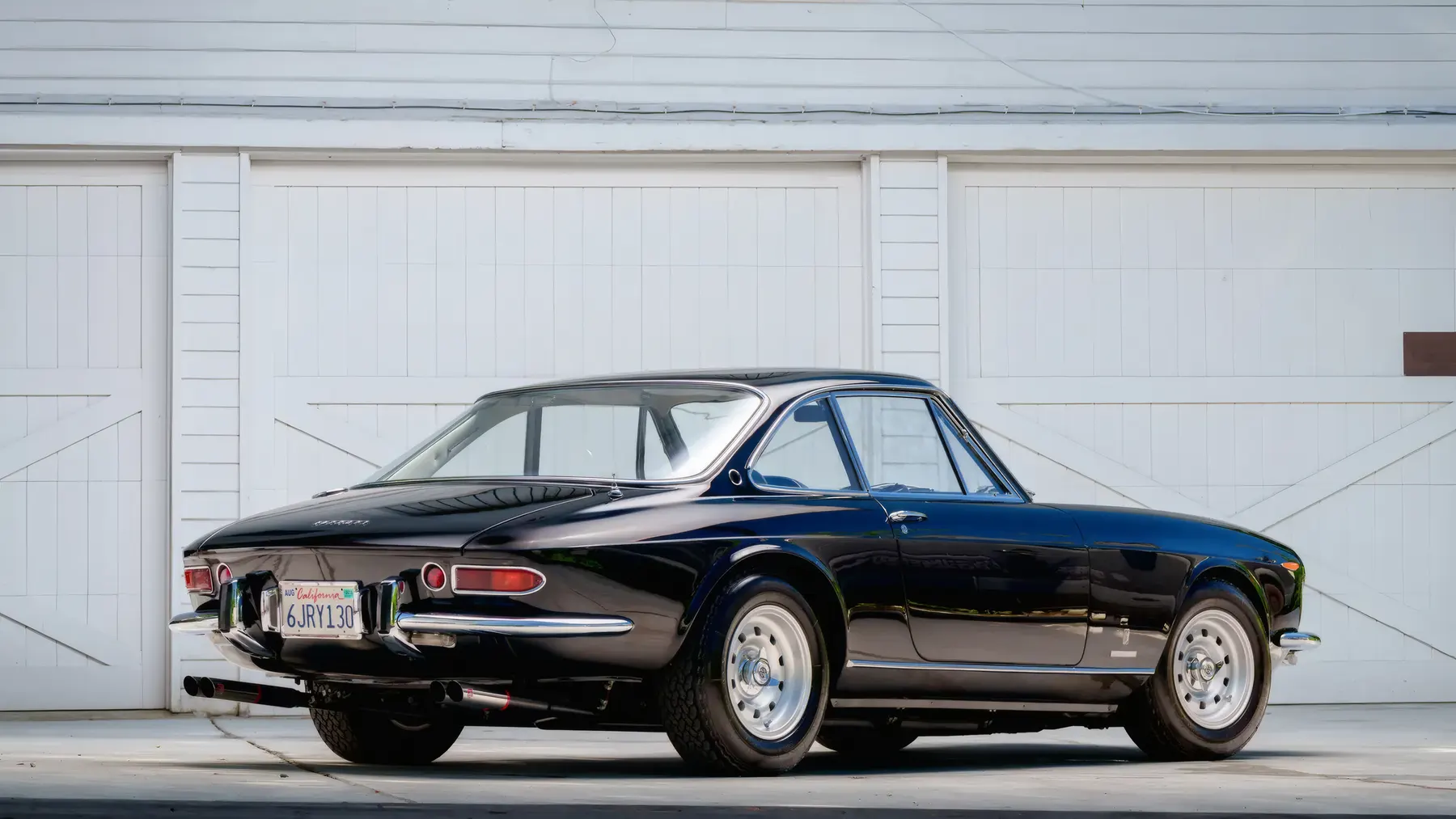
Stand a 365 GTC beside the 330 GTC it replaced and the differences are almost comically small. The vents in the front wings have gone, replaced by black louvred panels near the rear corners of the bonnet. The small “330” script on the boot lid has vanished. Inside, two round demister outlets have appeared on top of the dashboard. That is close to the whole visual story of the car Ferrari introduced in late 1968, and it explains why the 365 GTC is so easily overlooked. Everything that mattered had happened out of sight, in a 4.4-litre enlargement of Gioacchino Colombo’s V12, and it was enough to turn a very good grand tourer into a better one. It was also announced in the same season as the Daytona, which is a large part of why it never received the fuss it earned.
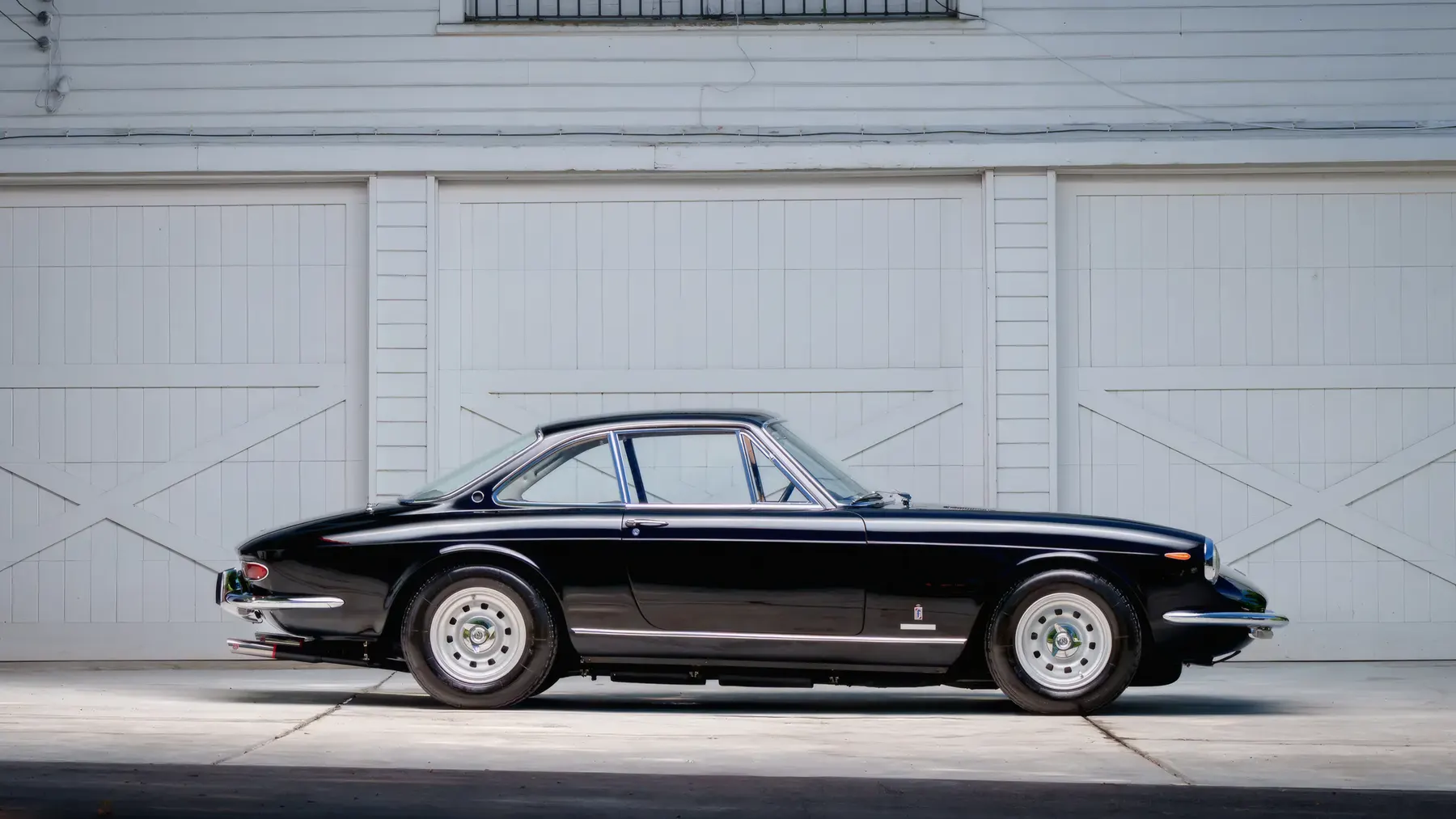
The recipe had been set two years earlier. The 330 GTC, unveiled at Geneva in 1966, slotted between the sporting 275 GTB and the roomier 330 GT 2+2, pairing the 275’s chassis with the 2+2’s 4.0-litre V12 inside a two-seat coupé that had a calmer, better-equipped cabin. It was also the latest link in a coupé lineage that Sports Car Market traces back through the 250 Lusso to the 250 GT Pininfarina coupé of 1958. Unlike the Scaglietti-built 275 GTB, the GTC was bodied by Pininfarina in Turin and delivered fully trimmed to Maranello for its mechanical components, which goes some way to explaining the exceptional panel quality that David Cottingham of DK Engineering recalls admiring. The design is credited to Aldo Brovarone, and it borrowed freely from the family: a nose that recalls the 500 Superfast, a tail taken from the 275 GTS. Cross-breeding styling cues usually ends badly. Here it produced a coupé that Sports Car Market summed up as a car whose owner is quietly assumed to have taste, where the 275 GTB demands to be looked at. Ferrari built roughly 600 of them before the 365 took over.
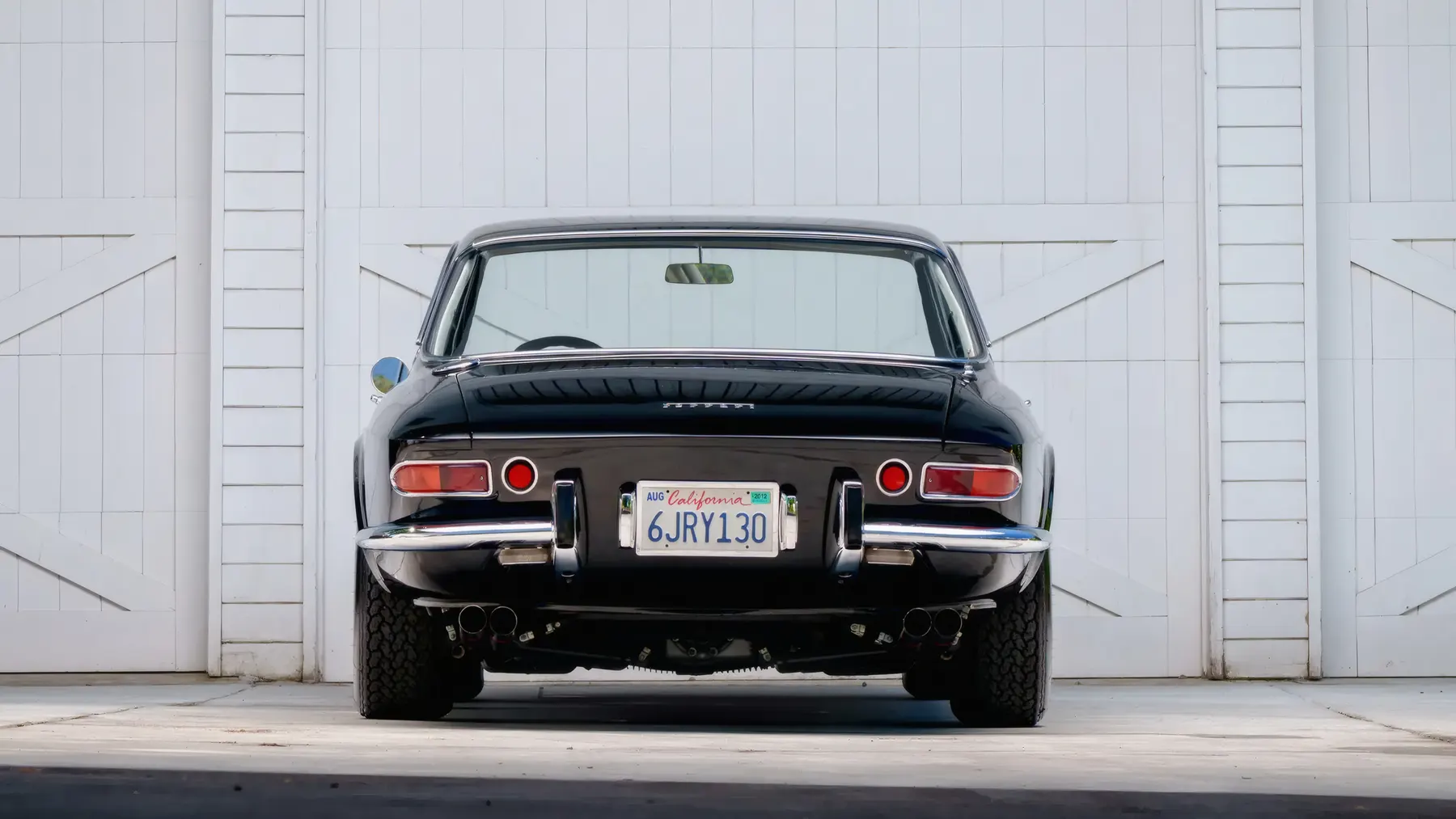
The engine was the 365 GTC’s reason for existing. Ferrari’s factory designation was 245/C: a single-overhead-camshaft-per-bank V12 of 4,390 cc, with an 81 mm bore and 71 mm stroke, identical to the unit already in the 365 GT 2+2. Three twin-choke Weber 40 DFI carburettors fed it, and the claimed output was 320 bhp at 6,600 rpm, twenty more than the 330’s. Torque figures differ slightly by source, at around 267 to 268 lb-ft, with Classic & Sports Car placing the peak at 5,000 rpm. The number mattered less than where it arrived: useful pull from around 2,500 rpm, which is why the bigger engine feels so much more flexible than the 4.0-litre it replaced. Ferrari’s naming logic reflected the change, since 365 was the capacity of a single cylinder in cubic centimetres. According to Sports Car Market, that bore and stroke would carry through the four-cam Daytona and eventually the flat-12 of the 365 GT4 BB, but the 365 GTC and its GTS spider sister were the last new Ferraris announced with single-cam heads, and RM Sotheby’s describes the engine as the largest single-cam unit Maranello had fitted to a road car.
Underneath was familiar Maranello engineering, executed carefully. A tubular steel frame on a 2,400 mm wheelbase carried double-wishbone suspension with coil springs and telescopic Koni dampers at all four corners, a layout inherited from the 275 GTB, plus a front anti-roll bar. The five-speed gearbox sat in a rear transaxle driving through a ZF limited-slip differential, which is what gives the car its near-perfect 50:50 weight distribution with a full tank. Girling discs at every corner were served by two servos, one per brake circuit. Ten-hole alloy wheels were standard, with Borrani wire wheels as an option. Weight depends on who is counting: Classic & Sports Car lists 1,451 kg, while a specialist workshop’s data sheet gives a dry figure of about 1,350 kg. Either way this is a compact car by modern standards, roughly 4.5 metres long and under 1.7 metres wide.
The cabin makes no attempt to impress. Classic & Sports Car’s Mick Walsh describes a well-raked three-spoke Nardi wheel, hip-hugging seats, a wooden fascia and black Veglia dials, with the Prancing Horse on the wheel boss and hardly any other branding. Slim pillars give exceptional all-round visibility, and the boot is large enough that one long-term owner told the magazine it would swallow a garment bag with room left for a case or two of wine. Factory air conditioning was available. That restraint was the point of the GTC. Auction house Gooding & Company frames the 330 GTC as the sensible-suited alternative to the 275 GTB’s playboy image, a Ferrari for people who wanted to drive one without announcing it, and the 365 kept that manner while adding urgency underneath.
On the road it feels like a car that has been thought about, not merely engineered. Classic & Sports Car found the balance neutral, unlike the earlier Ferrari GTs that were set up to understeer, and reported little roll even on tight mountain passes. The ride is firm but well damped, with the deeply sprung seats absorbing whatever the suspension cannot. Paul Frère, the racing driver and journalist, is reported to have found the car well balanced at the limit, breaking away progressively and controllably. The clutch is positive and, once the transaxle oil is warm, the Porsche-type synchromesh works well, though the V12’s noise is reason enough to double-declutch. The engine pulls from almost anywhere but only really comes alive when revved hard. Autocar’s test in May 1969, as recorded by Classic & Sports Car and RM Sotheby’s, returned 0-60 mph in 6.3 seconds, the standing quarter-mile in 14.5 seconds at 90 mph and a top speed of 151 mph, which was seriously quick for a car of roughly 1,450 kg.
None of this makes the 365 GTC an easy car, and its weaknesses were real in period, not merely charming in hindsight. The steering is the big one. It is an unassisted ZF worm-and-roller system with poor lock, heavy enough at parking speeds that a Classic Motorsports owner profile called out the weight of the wheel, and Cottingham, who counts himself a fan, still wishes Ferrari had fitted rack and pinion. That complaint sharpens with hindsight: Hagerty notes that the 1971 GTC/4 inherited power steering from the 365 GT 2+2 that preceded it, which underlines what the two-seat GTC lacked. The twin-servo brakes bite reassuringly at speed but feel over-sensitive in slow traffic, and first gear sits behind a reluctant dogleg. Thirst is the other practical penalty. Classic & Sports Car recorded around 12 mpg, which from a 90-litre tank leaves a range of not much more than 380 km, and Autocar’s 1969 verdict was that the price and fuel consumption made this a car for the affluent only. The bonnet vents that distinguish the car from the 330 GTC came with a quirk of their own: Sports Car Market reports that at high speed they could draw brake fluid out of the reservoir, and a car it profiled had been fitted with a makeshift shield to cure the problem. Running costs are not trivial either. Cottingham singles out the transaxle, with its needle roller bearings, as the hardest overhaul on the car, and Hagerty warns that V12 Ferraris of the period are expensive to maintain and need a thoughtful owner. Even the styling has its critics: Cottingham finds the front, with its wide-mouthed grille, less resolved than the flanks and tail, and dislikes seeing such a heavy car on wire wheels.
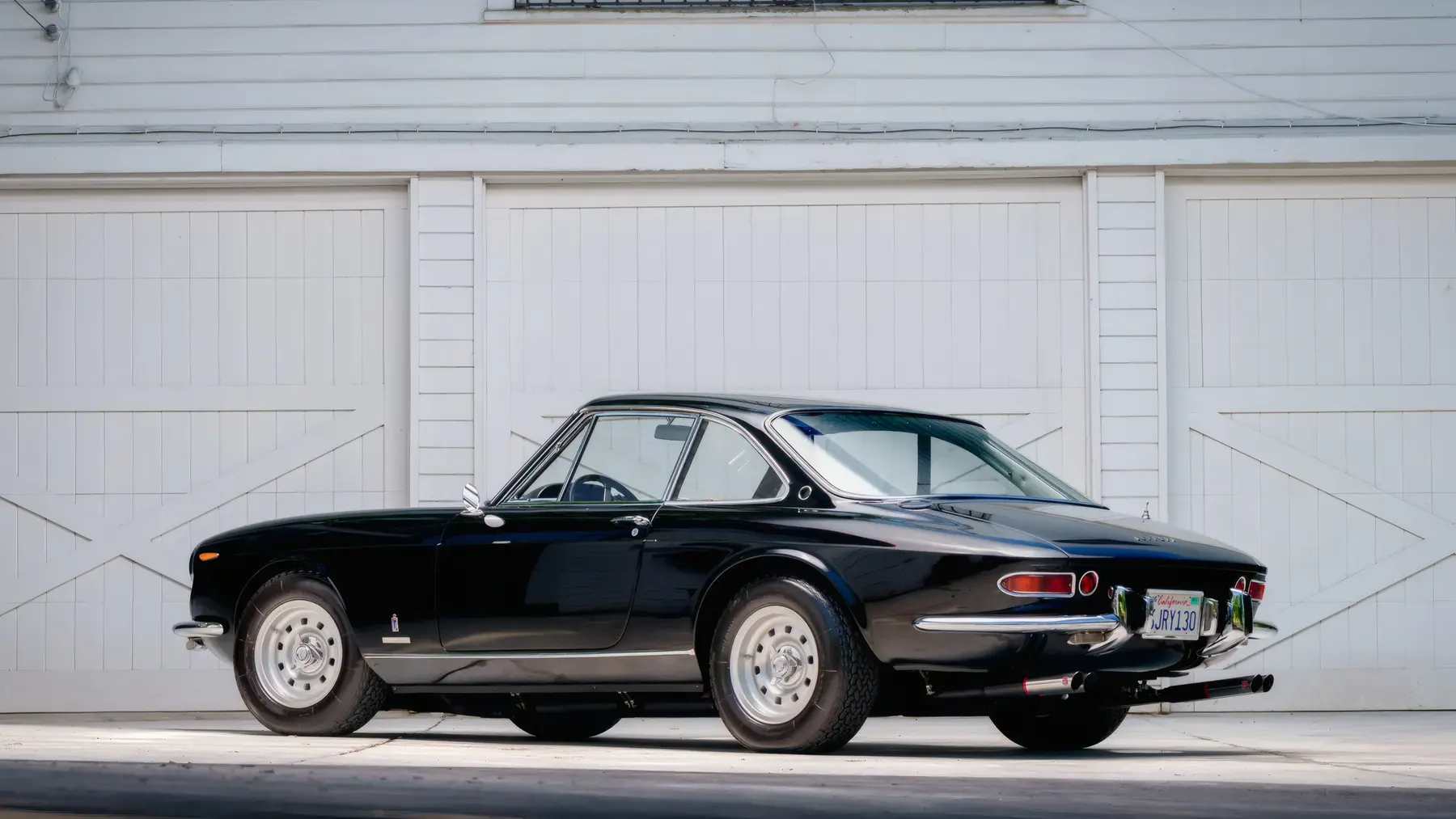
The 365 GTC came as a coupé and, in far smaller numbers, as the 365 GTS spider. The commonly quoted coupé production figure is 168, which appears on Ferrari’s own heritage page, in Classic & Sports Car’s factfile and in Sports Car Market’s data, although the same Ferrari page also says approximately two hundred and one auction text cites 150 coupés, so the count is best treated as approximate. Just 20 spiders are generally reported, making the GTS one of the rarest series-production Ferrari open cars of its era according to RM Sotheby’s, and Hagerty’s tally of 188 coupés and spiders combined fits those figures. Then it stopped. Ferrari attributes the short production run, ending in 1970, mainly to emissions legislation arriving in the United States and elsewhere and to the cost of adapting a low-volume series to it. The showroom competition did not help. The four-cam Daytona had been presented at the 1968 Paris Motor Show, and Gooding & Company argue that a car with that much power and torque narrowed the GTC’s niche. Buyers should also keep the 365 GTC apart from the 365 GTC/4 of 1971, which Hagerty describes as a wedge-styled fastback 2+2 with an engine closely related to the Daytona’s and little beyond a name stem in common.
Opinion, contemporary and retrospective, has been kind. Autocar’s report, quoted by Classic & Sports Car, was frank about the cost but admiring of the car, saying it impressed drivers, passengers and onlookers alike. Phil Hill and Paul Frère had already praised the 330 GTC, and according to RM Sotheby’s both rated it the best Ferrari yet built; the 365 kept that engineering and added the ingredient that people who have driven both single out: torque. One owner quoted by Sports Car Market thought it might be the best-driving Ferrari he has owned, crediting the bigger engine, and the magazine puts the 365 at around a 20 per cent premium over the 330. It also observes that the 365 GTC lacks the wow factor of a concours winner and treats that as an argument for driving it. Cottingham goes further, calling it a better car than the Daytona and admitting he could not understand for years why the market valued it lower. Hagerty’s view is that it marks the end of the classic Ferrari designs of the 1960s, before the Daytona’s crisper lines and covered headlights.
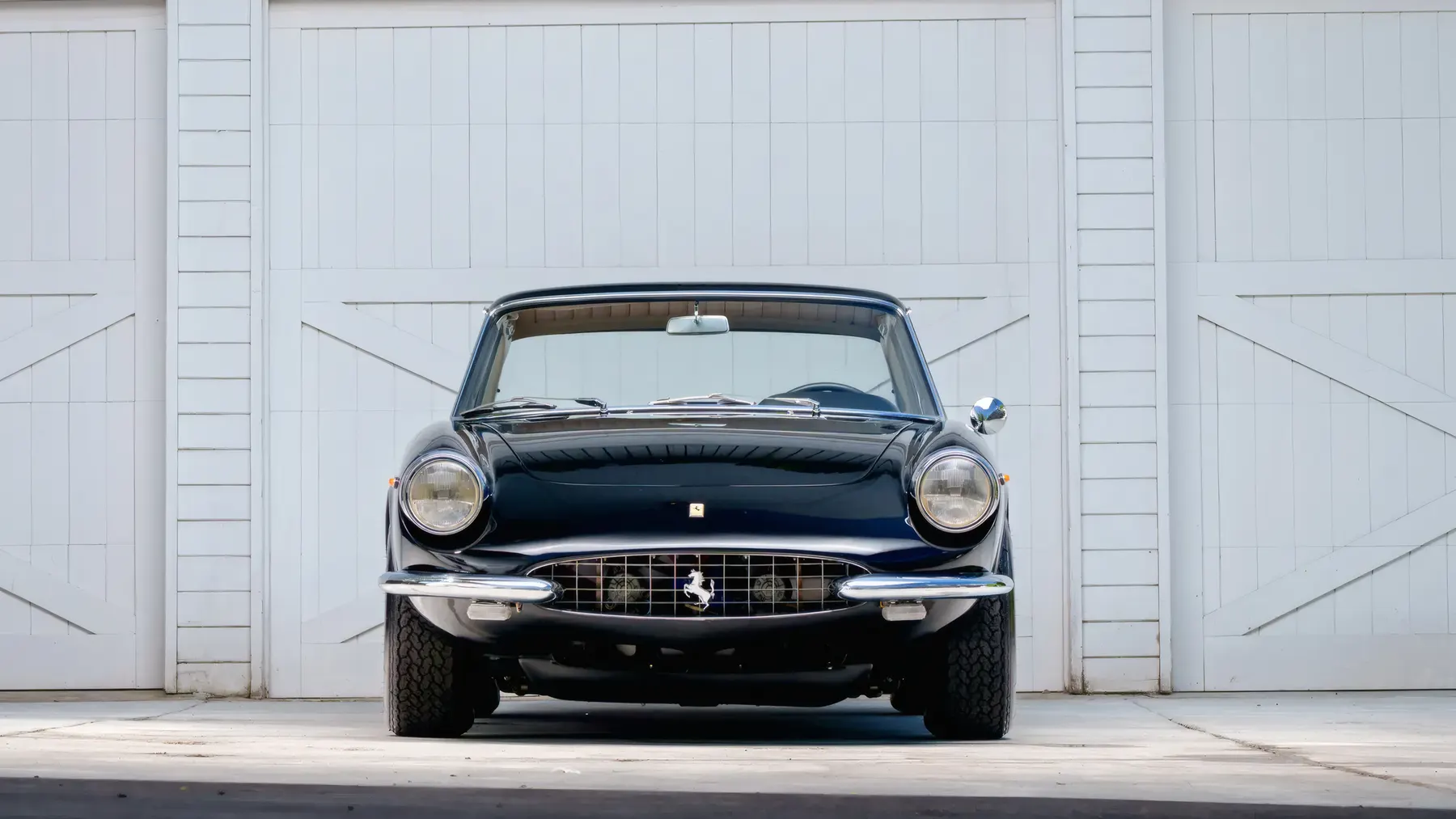
The 365 GTC is what a Ferrari looked like when the company was content to do the difficult part quietly: a compact two-seater with a calm face, a V12 that sings once it is spinning, and a chassis balanced well enough to be used hard. It is heavy to park, thirsty to run and expensive to keep right, and it never had the Daytona’s drama or its racing successes to lean on. What it offers instead is a place as the last new single-cam Ferrari announced, an understated Pininfarina body on the 275 GTB’s mechanical layout, and an owner community that, on the evidence of the specialists quoted here, would rather see it driven than displayed.
Technical data
Performance Specifications
| Specification | 365 GTC (coupé) | Basis |
|---|---|---|
| Production | 1968-1970; 168 coupés (further 20 GTS spiders) | Ferrari heritage; Classic & Sports Car; Hagerty (188 combined) |
| Engine | 60° V12, one overhead camshaft per bank, 4,390 cc (Tipo 245/C), 81 mm x 71 mm | Ferrari heritage |
| Fuel feed | Three twin-choke Weber 40 DFI carburettors | Ferrari heritage |
| Power | 320 bhp at 6,600 rpm (claimed) | Ferrari heritage; Classic & Sports Car |
| Torque | 267-268 lb-ft (268 lb-ft at 5,000 rpm per Classic & Sports Car) | Classic & Sports Car; RM Sotheby’s |
| Transmission | Five-speed transaxle, ZF limited-slip differential | Classic & Sports Car; Ferrari heritage |
| Suspension | Independent all round: double wishbones, coil springs, telescopic Koni dampers, front anti-roll bar | Classic & Sports Car |
| Brakes | Girling discs all round, twin servos | Classic & Sports Car |
| Steering | ZF worm and roller, unassisted | Classic & Sports Car |
| Wheelbase | 2,400 mm | Ferrari heritage; Classic & Sports Car |
| Length / width / height | 4,470-4,496 mm / 1,670-1,676 mm / 1,283-1,300 mm | Range across Classic & Sports Car and a specialist data sheet |
| Weight | 1,451 kg (Classic & Sports Car); about 1,350 kg dry (specialist data sheet) | Different bases; see Editorial Notes |
| Fuel tank | About 90 litres | Classic & Sports Car; specialist data sheet |
| 0-60 mph | 6.3 seconds | Autocar, May 1969, via Classic & Sports Car and RM Sotheby’s |
| Standing quarter-mile | 14.5 seconds at 90 mph | Autocar, May 1969, via RM Sotheby’s |
| Top speed | 151 mph* (Autocar, 1969) | Classic & Sports Car; RM Sotheby’s |
| Fuel consumption | About 12 mpg (Imperial) | Classic & Sports Car factfile |
Sources
- Ferrari - 365 GTC (heritage)
- Ferrari - 330 GTC (heritage)
- Ferrari History - 365 GTB4 Daytona presented, 1968
- Classic & Sports Car - Ferrari 365GTC: Maranello’s forgotten masterpiece
- Sports Car Market - 1969 Ferrari 365 GTC profile
- Hagerty Valuation Tools - 1968 Ferrari 365 GTC
- Hagerty Valuation Tools - Ferrari 365 GTC/4
- RM Sotheby’s - 365 GTS by Pininfarina (model background)
- RM Sotheby’s - 365 GTC by Pininfarina (model background; Autocar test figures)
- RM Sotheby’s - 365 GTC by Pininfarina (model background; 330 GTC context)
- RM Sotheby’s - 365 GTS by Pininfarina (model background; production-figure discrepancy)
- Gooding & Company - 1966 Ferrari 330 GTC (model commentary)
- Concorso d’Eleganza Villa d’Este - Ferrari 330 GTC (1966)
- Forza - Hidden Gem: Ferrari 330 GTC
- Classic Motorsports - Saving a Ferrari 365 GTC from a botched restoration
- SBR Engineering - Ferrari 365 GTC specifications
Join the discussion
Comments
Loading comments…
Leave a comment
Share a detail, memory, or perspective. Every comment is reviewed before publication.