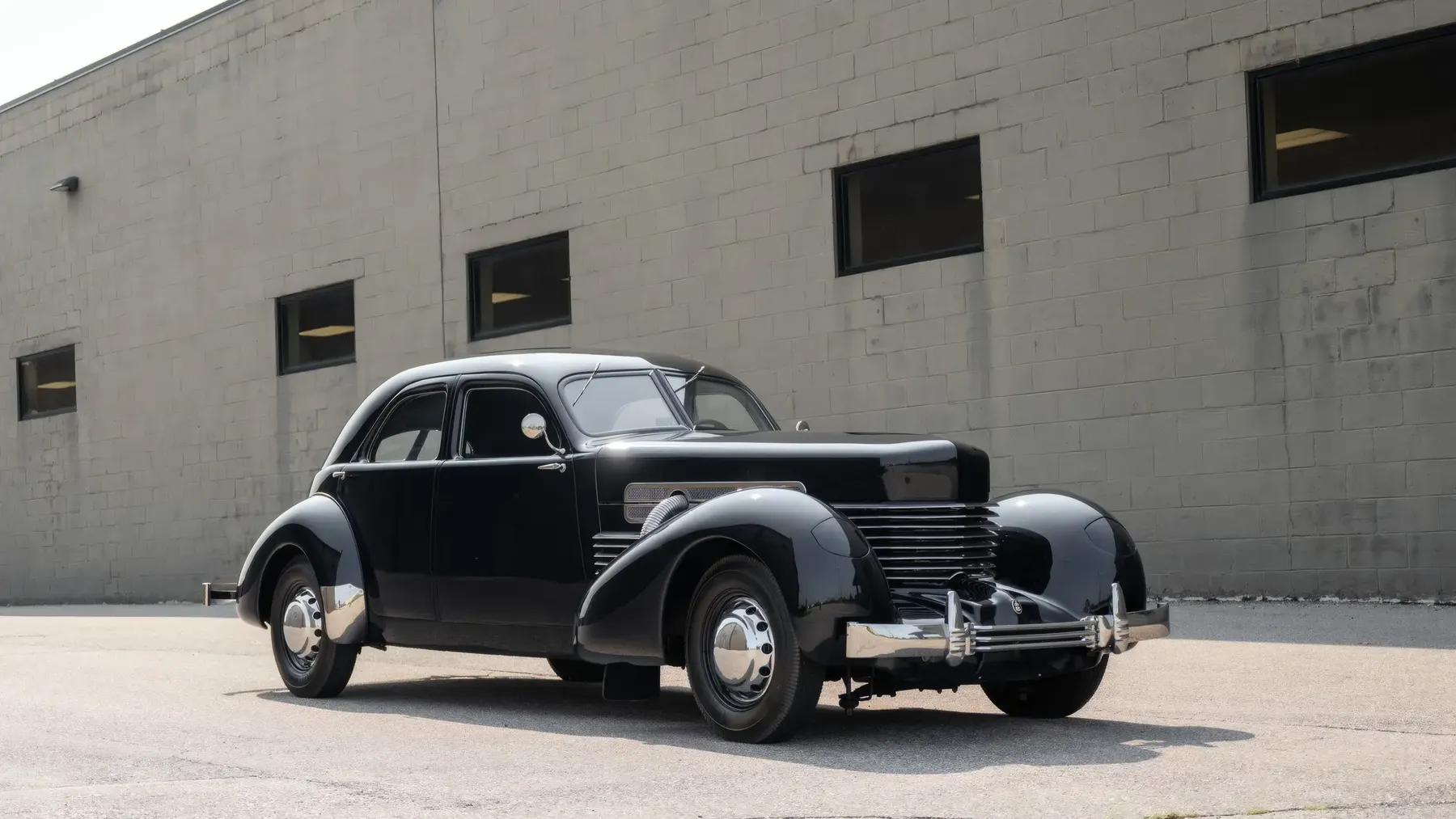
1937 Cord 812 Custom Beverly
The Custom Beverly exists because a car built to look like the future was criticised for something thoroughly ordinary: the people in the back could not stretch out. Cord's 810 had reached showrooms in 1936 wit...
Curated collection
Cars that represented the final significant expression of a long-established engineering philosophy before their manufacturers moved decisively toward a different architecture, technology or way of building automobiles.
Collection note
Some cars are historically important not because they introduced the future, but because they perfected something the industry was about to leave behind. This collection gathers automobiles that stood at the end of recognisable engineering traditions: the last major developments of particular chassis concepts, engine families, drivetrain layouts, construction methods or mechanical philosophies before manufacturers replaced them with fundamentally different solutions. These cars are more than simply the final model produced in a sequence. They must represent the culmination of an approach that had evolved over years or decades, often incorporating lessons learned across several generations until the underlying formula reached its most sophisticated form. In many cases they appeared just as changing regulations, new competitors, advances in aerodynamics, different packaging priorities or emerging technologies were making that formula increasingly difficult to justify. Their successors may have been faster, safer or technically more advanced, yet something distinctive disappeared in the transition. Viewed retrospectively, these cars become mechanical full stops: machines in which an established school of engineering was refined one final time before development moved in another direction. They preserve the character of an outgoing era at the moment when its accumulated knowledge was most mature.
The Custom Beverly exists because a car built to look like the future was criticised for something thoroughly ordinary: the people in the back could not stretch out. Cord's 810 had reached showrooms in 1936 wit...
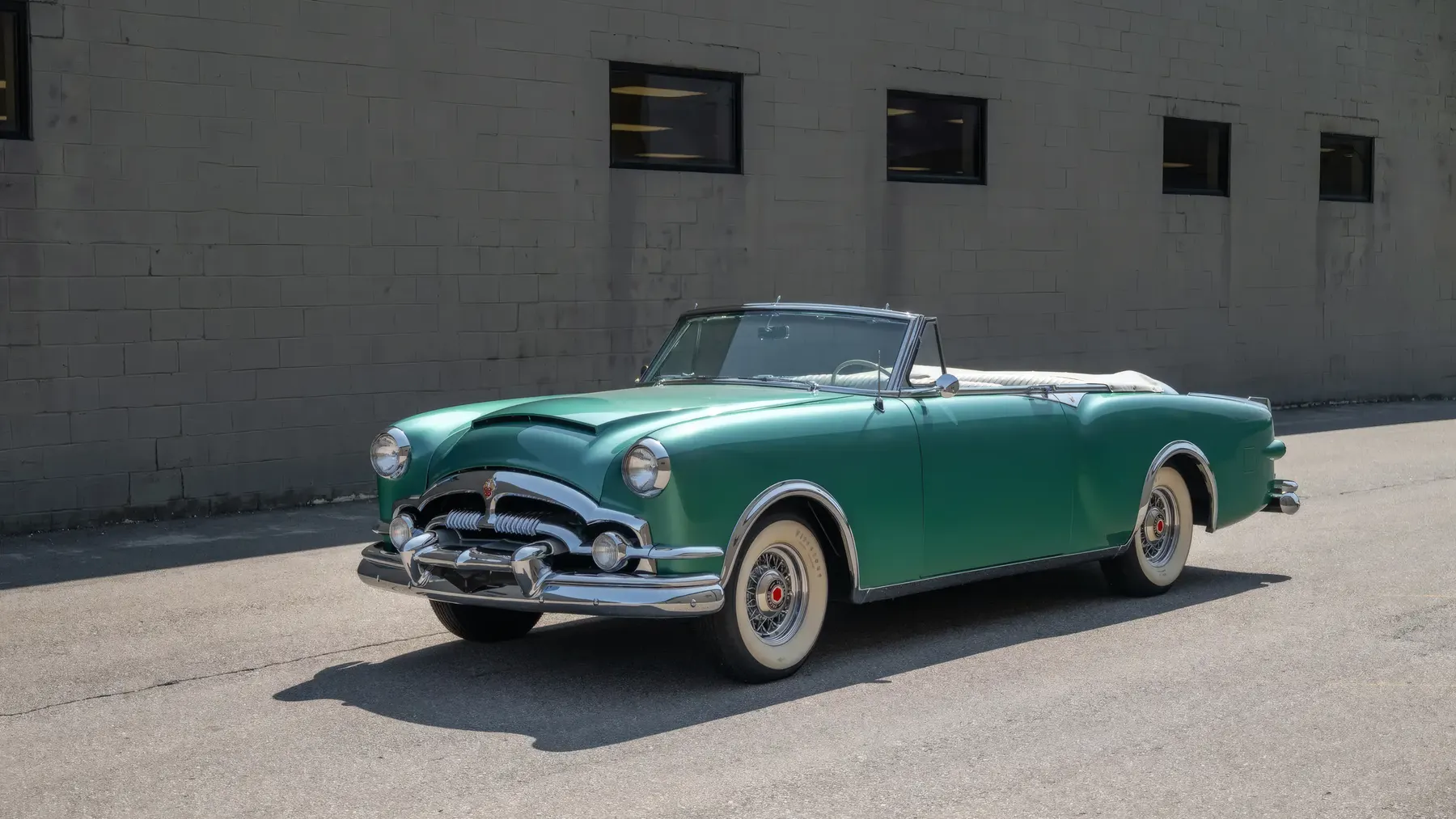
The car that was meant to make Packard look modern was not built by Packard. Standard convertibles were shipped to Mitchell-Bentley, a sheet-metal specialist in Ionia, Michigan, where the chassis were lowered a...
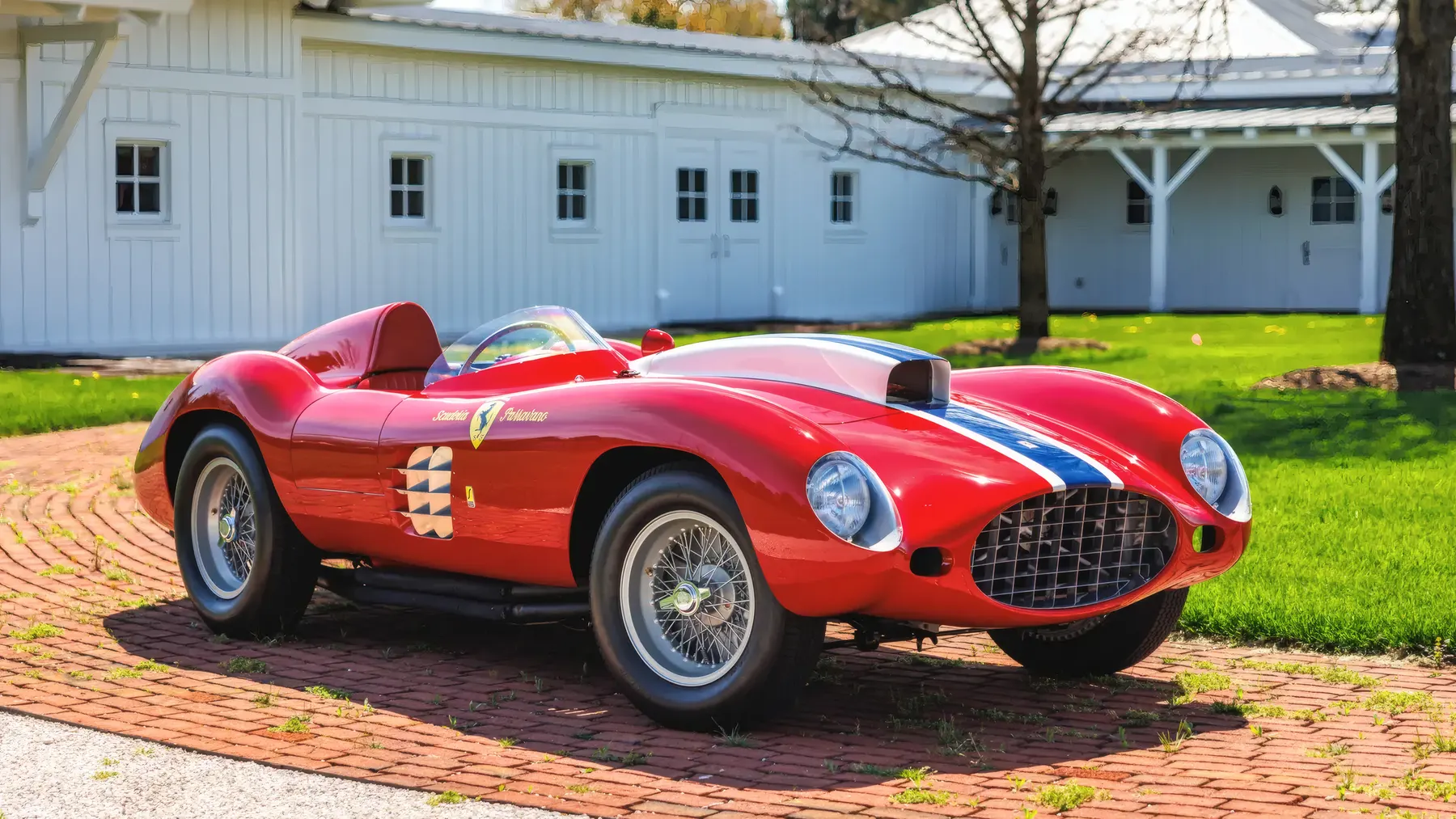
Ferrari built the 410 Sport to survive five days of Mexican highway driven flat out from dawn until dusk, then watched the race it was designed for get cancelled before a single example ever turned a wheel on t...
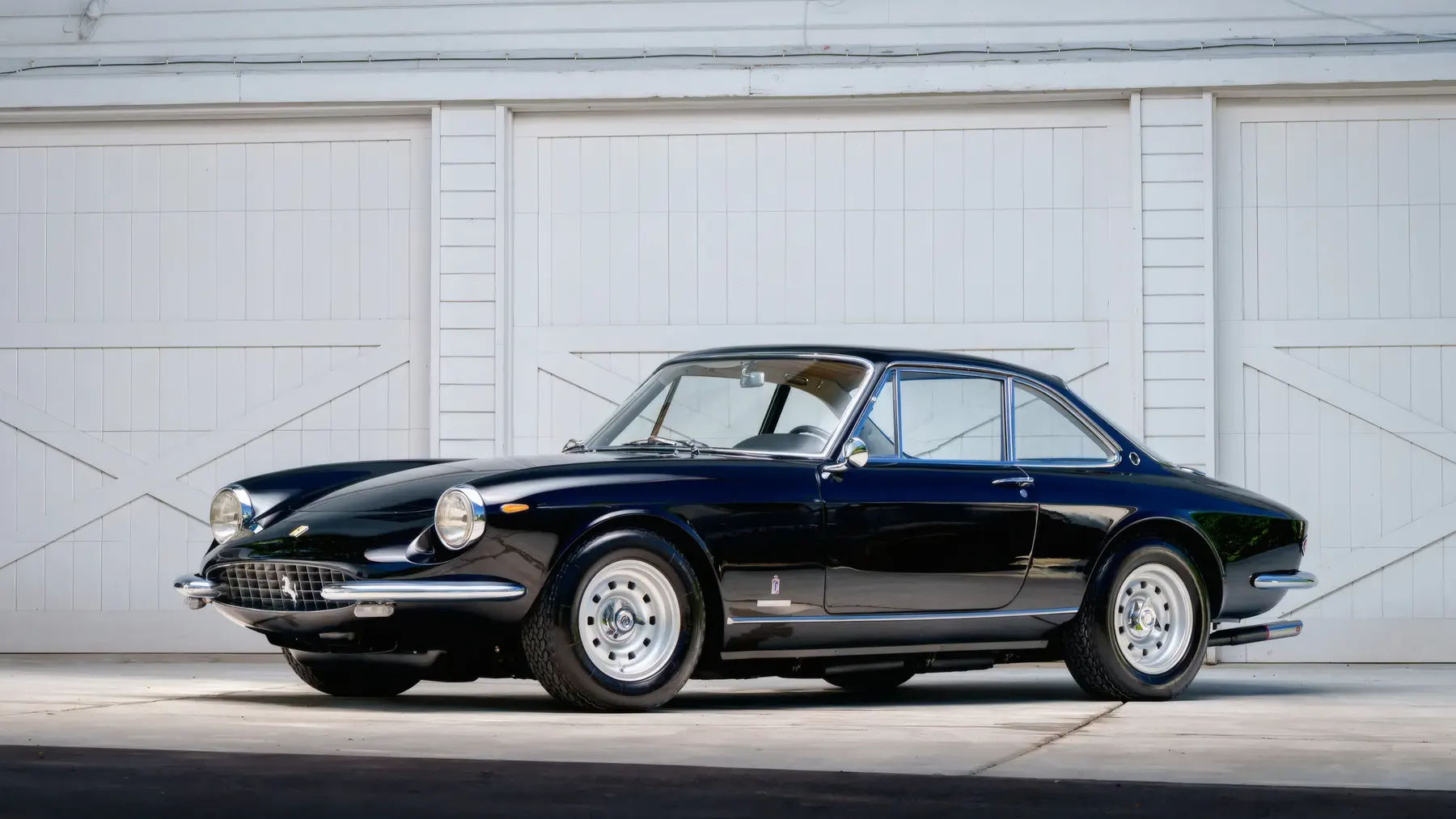
Stand a 365 GTC beside the 330 GTC it replaced and the differences are almost comically small. The vents in the front wings have gone, replaced by black louvred panels near the rear corners of the bonnet. The s...
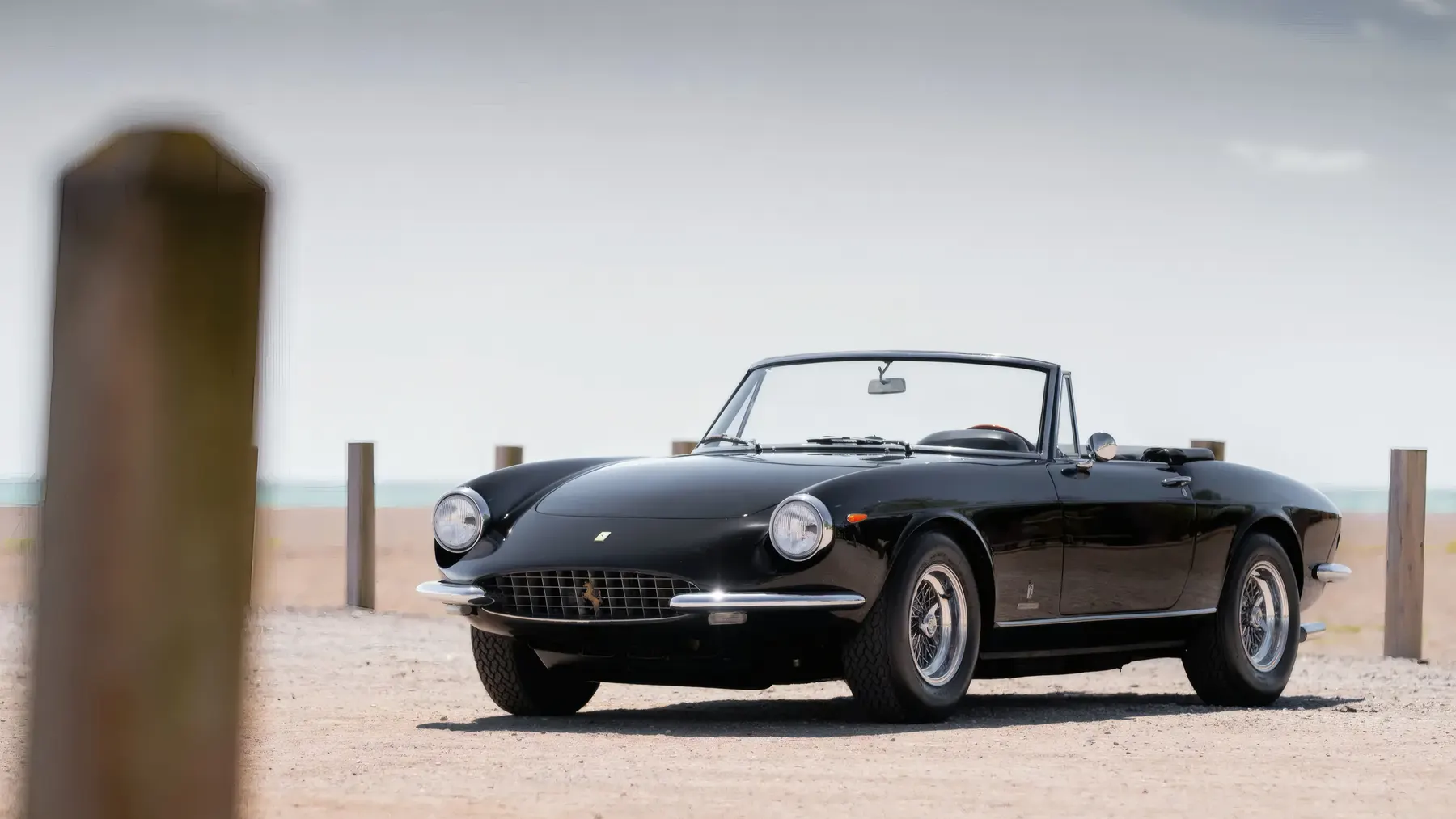
Ferrari's stand at the Paris Motor Show in October 1968 carried two very different answers to the same question: how do you follow the 330 GTC and GTS? One answer was the 365 GTB/4, a shark-nosed berlinetta soo...
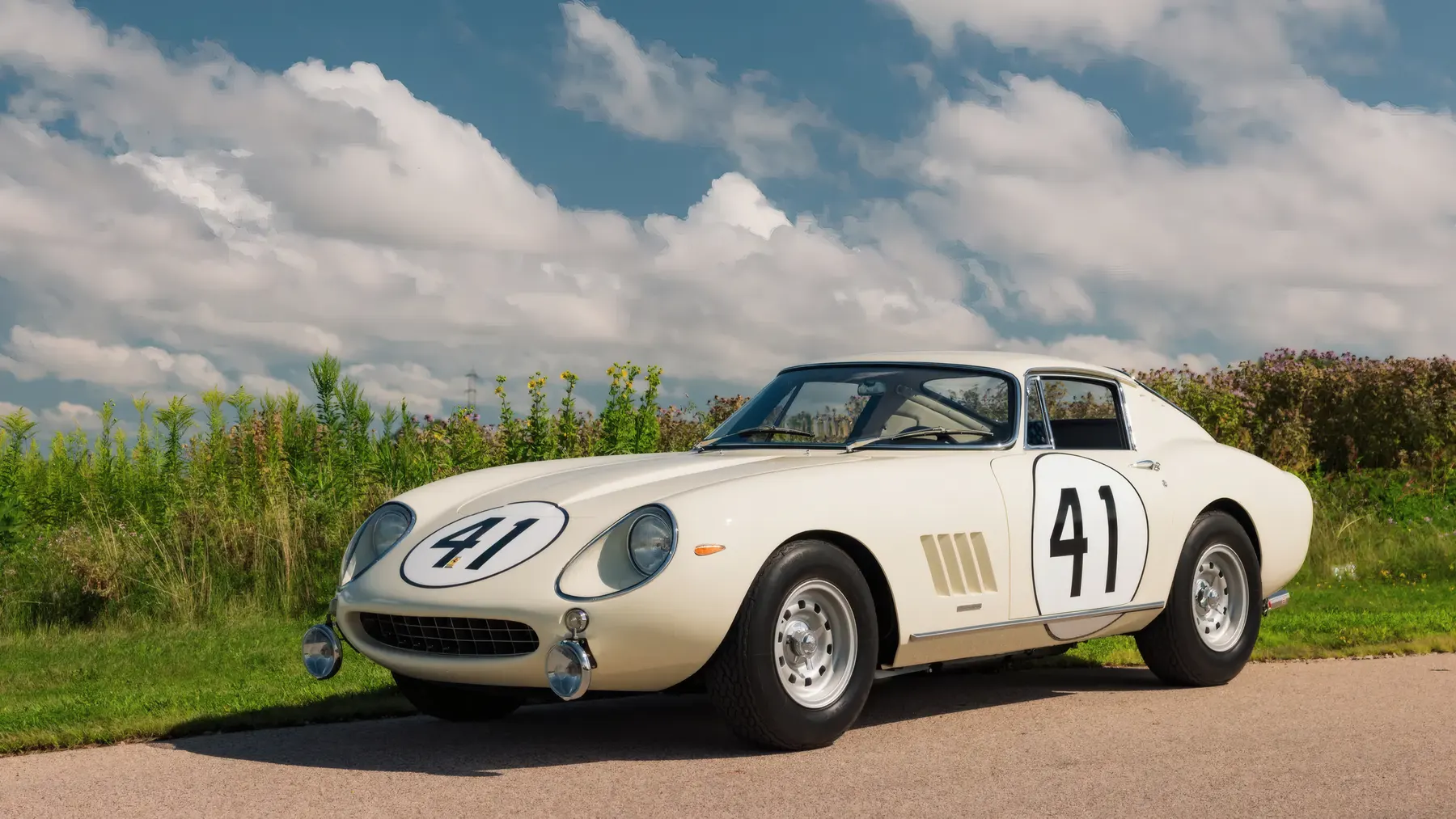
Not every lightweight Ferrari of the 1960s was built with a stopwatch in mind. Most alloy-bodied specials that left Maranello in this era went to wealthy clients who simply wanted the fastest, priciest version...
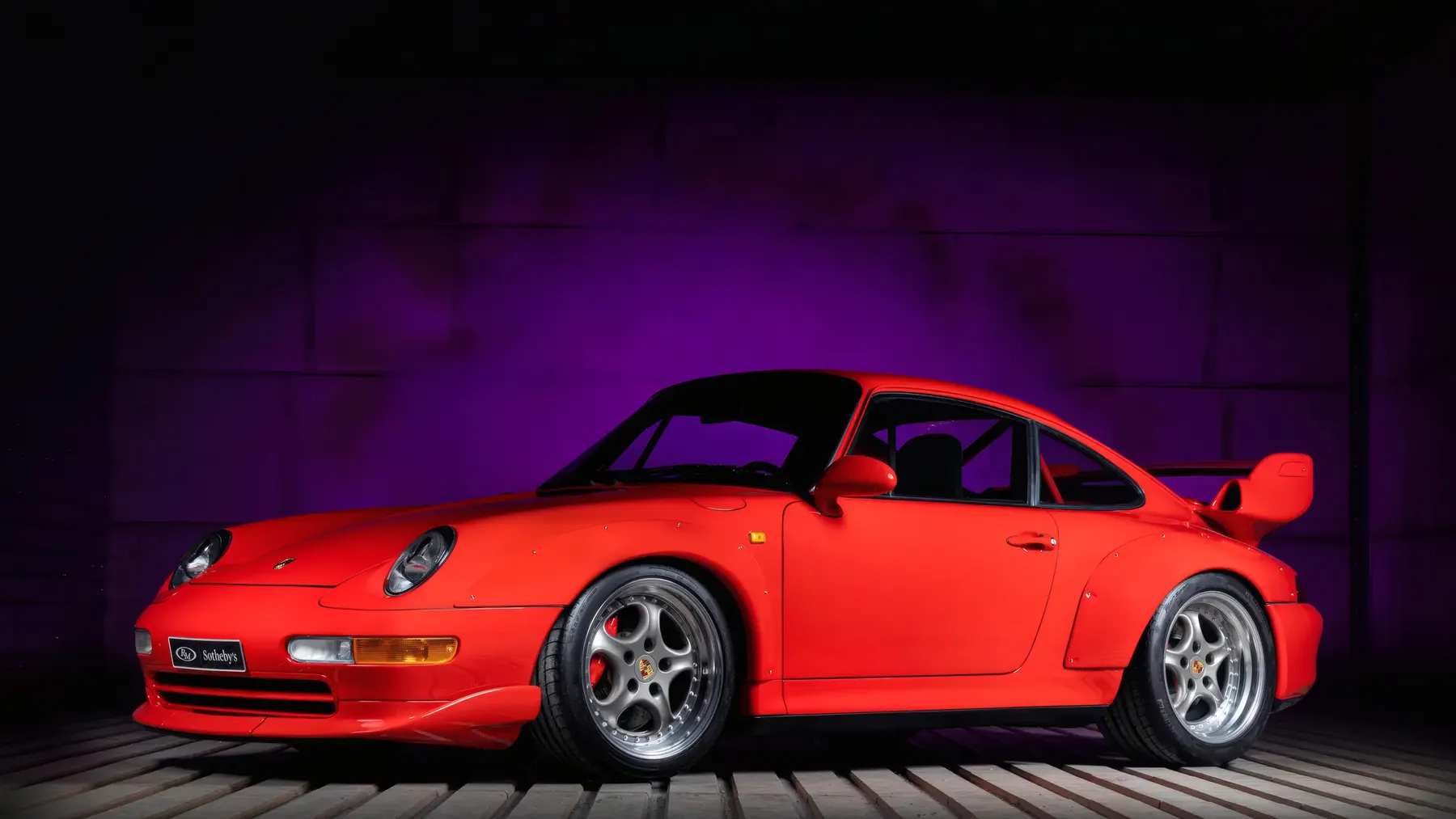
When the World Sportscar Championship folded amid collapsing budgets in the early 1990s, the racing that rushed in to fill the void wasn't built around six-figure prototypes - it was built around production car...
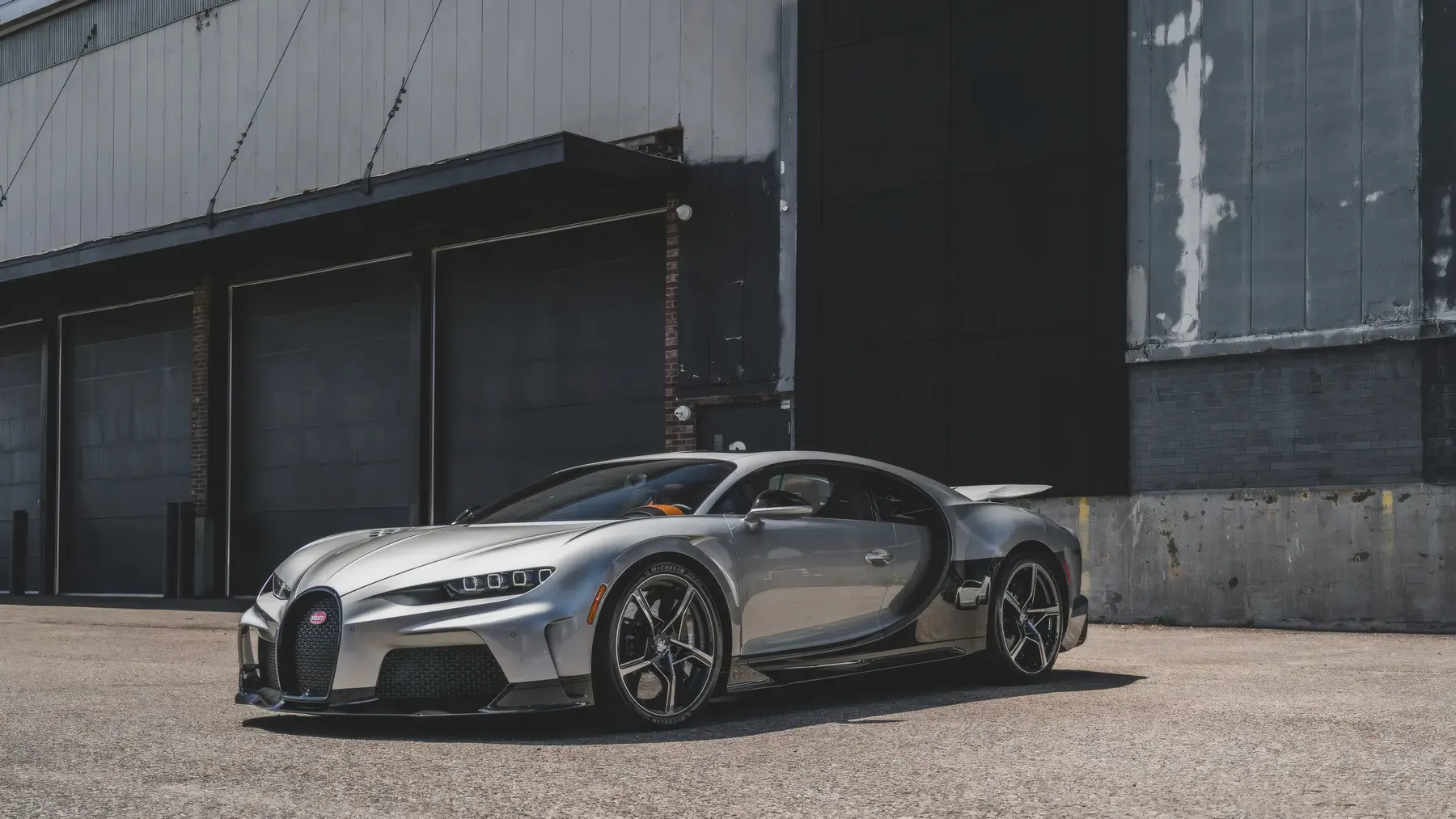
Before a single customer ever climbed into a Chiron Super Sport, the car's signature achievement had already happened to someone else's car. On 2 August 2019, at the Volkswagen Group's private Ehra-Lessien test...
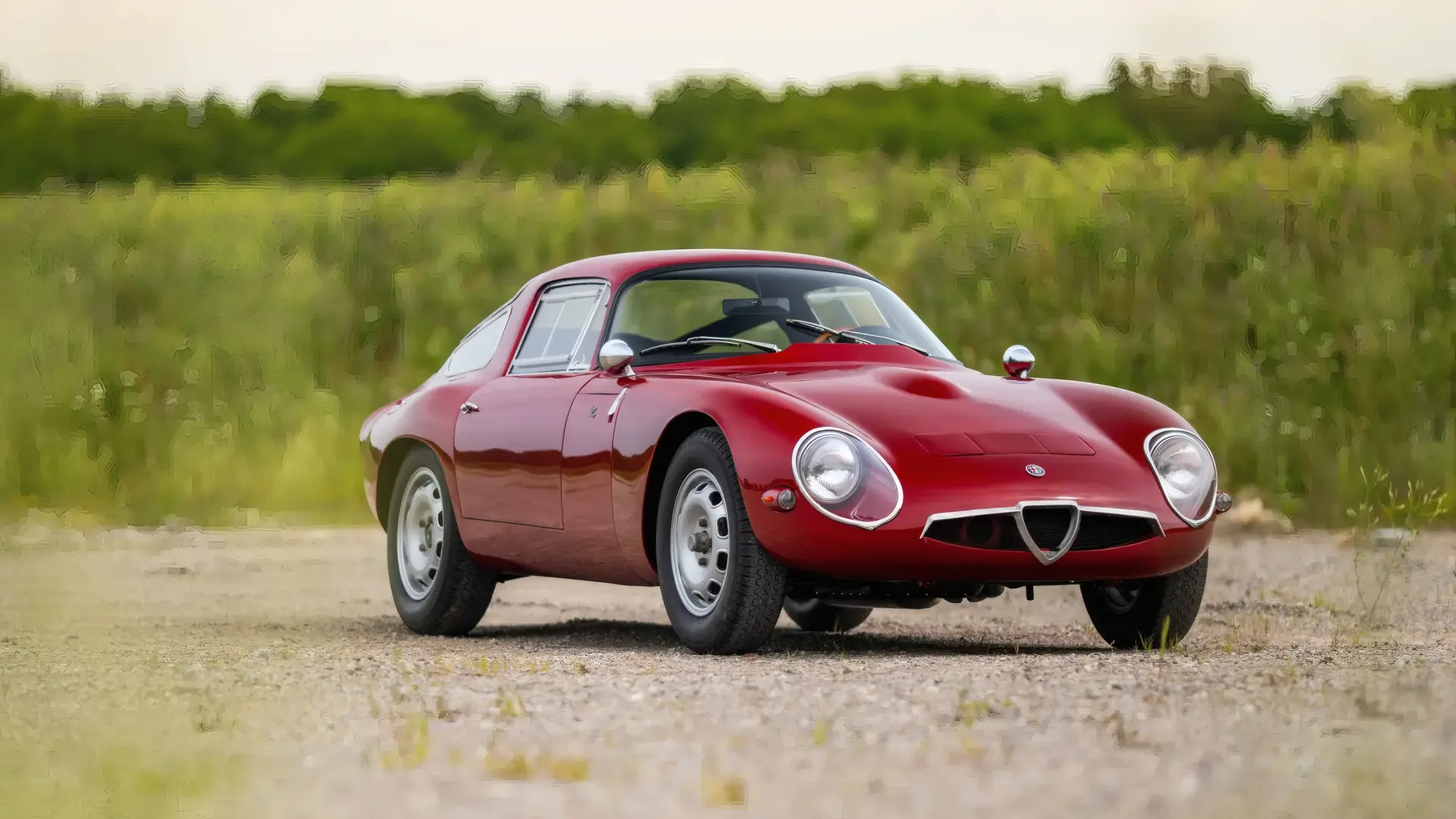
By the time the Alfa Romeo Giulia TZ1 finally reached a starting grid, the argument it had been built to win was already changing underneath it. Alfa Romeo spent the better part of four years developing a front...
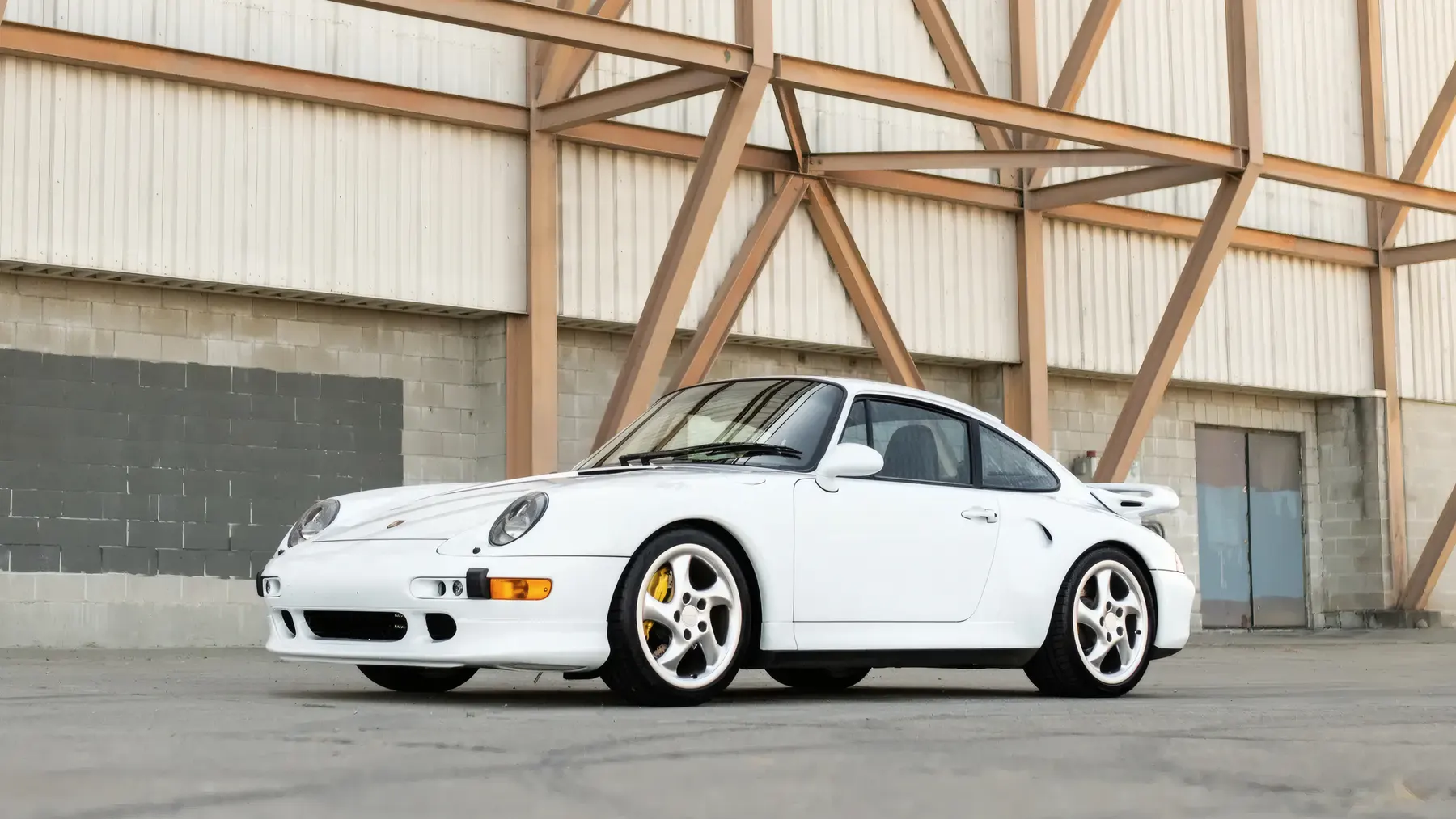
When Porsche's Exclusive department signed off on the run-out special that became the 993 Turbo S in 1997, the company was doing something it rarely did with the 911 Turbo: closing a chapter rather than opening...
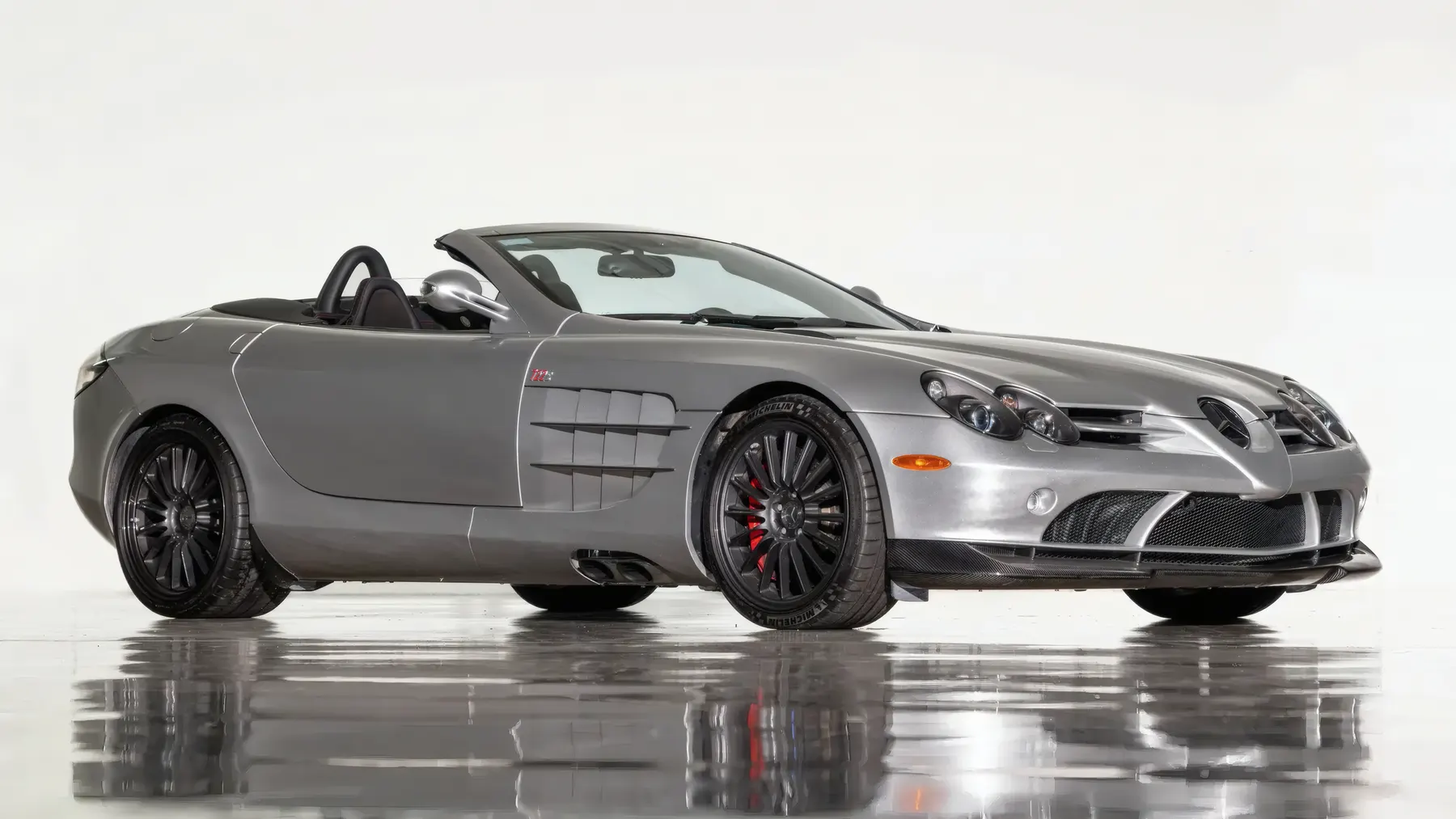
By the time Mercedes-Benz and McLaren finally built the SLR McLaren Roadster 722 S, the whole SLR project had been arguing with itself for the better part of a decade. It began as two quite different ideas for...
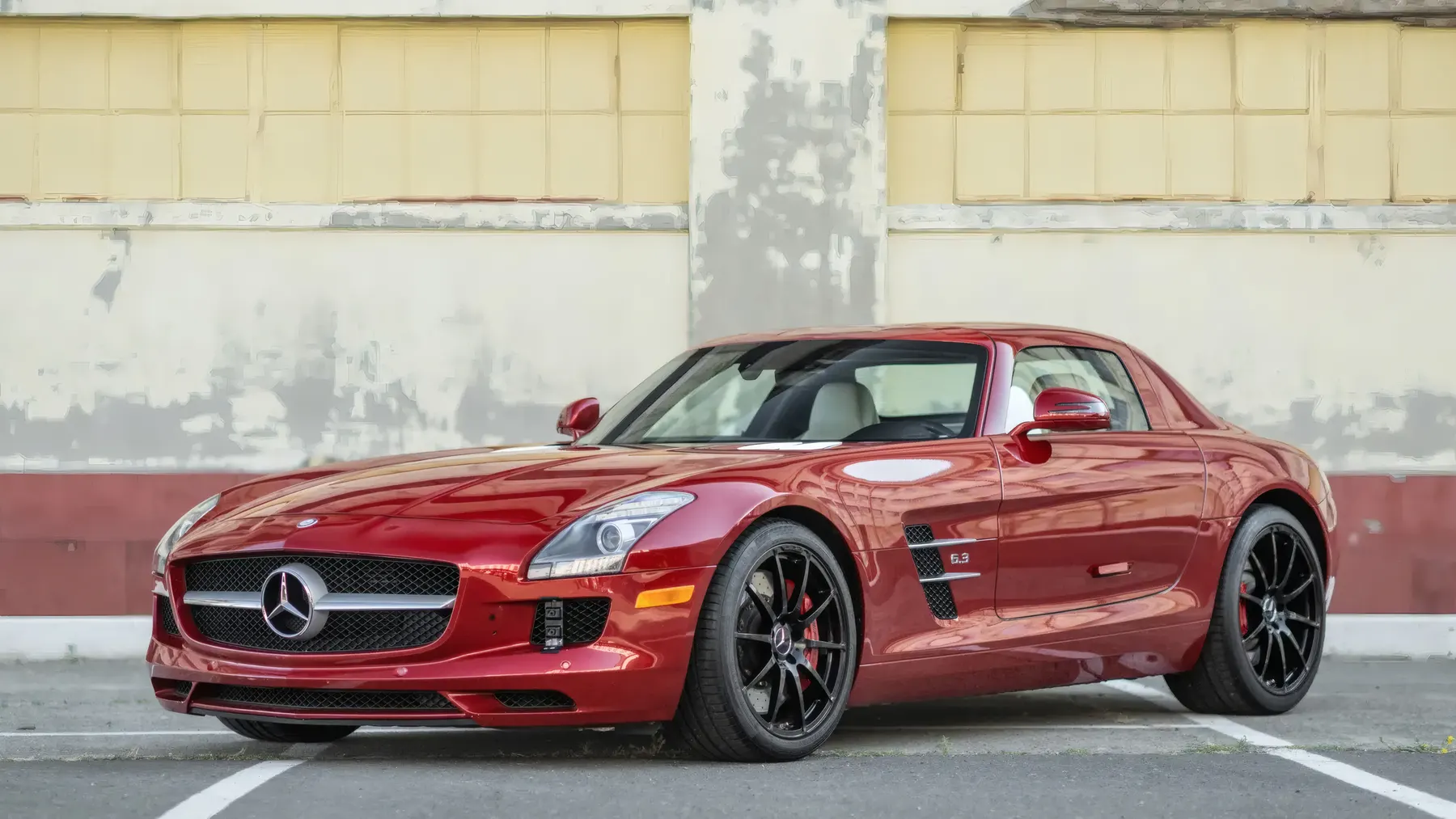
AMG had spent nearly four decades tuning other people's Mercedes-Benzes before the SLS AMG arrived in 2010 as the first car the performance division built entirely from a blank sheet of paper, and the weight of...
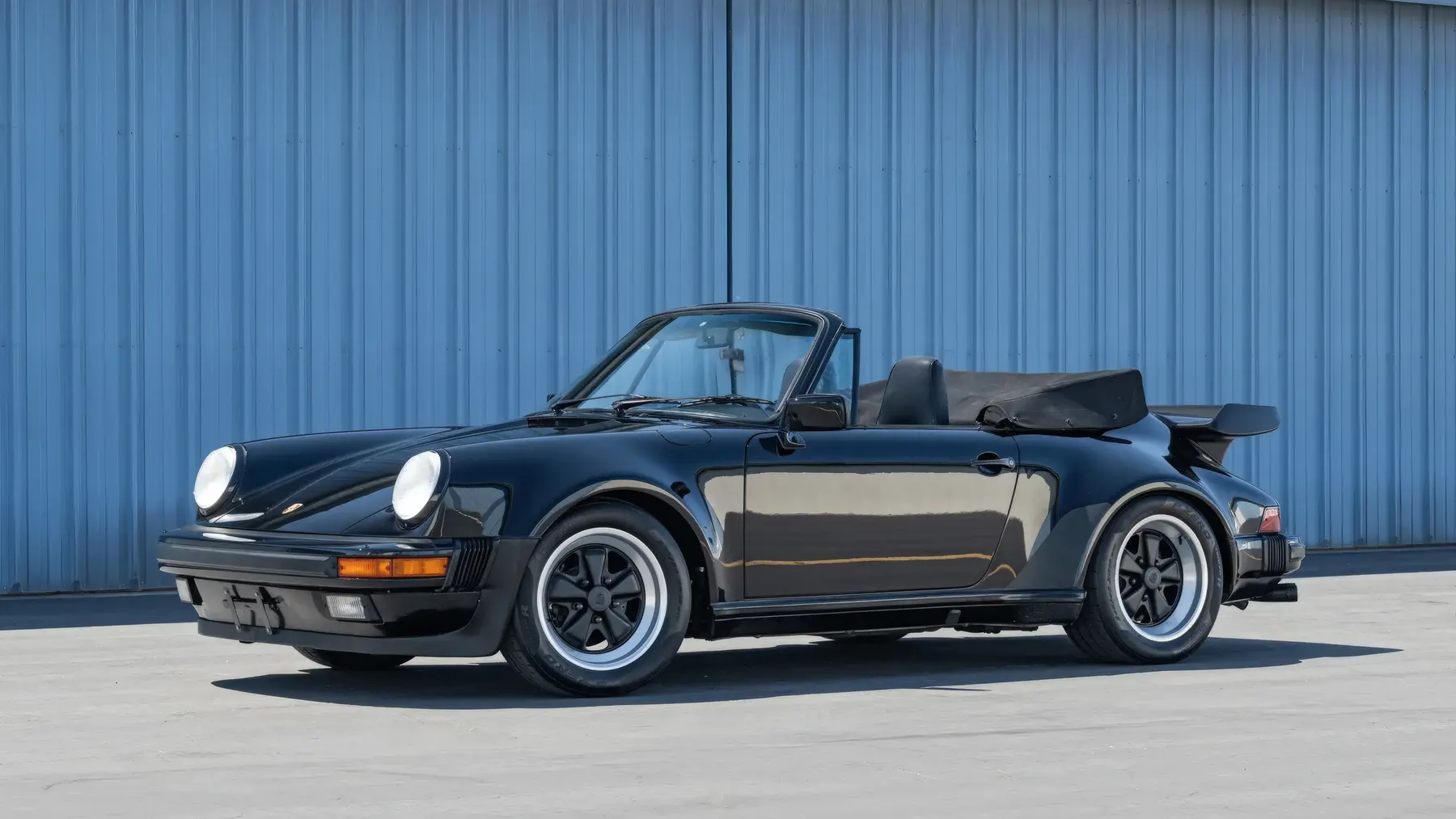
Take away a 911's roof and something structural goes missing along with the sheet steel. The lid ties the body together, tensioning the shell against the twisting loads a monocoque experiences on real roads. Do...
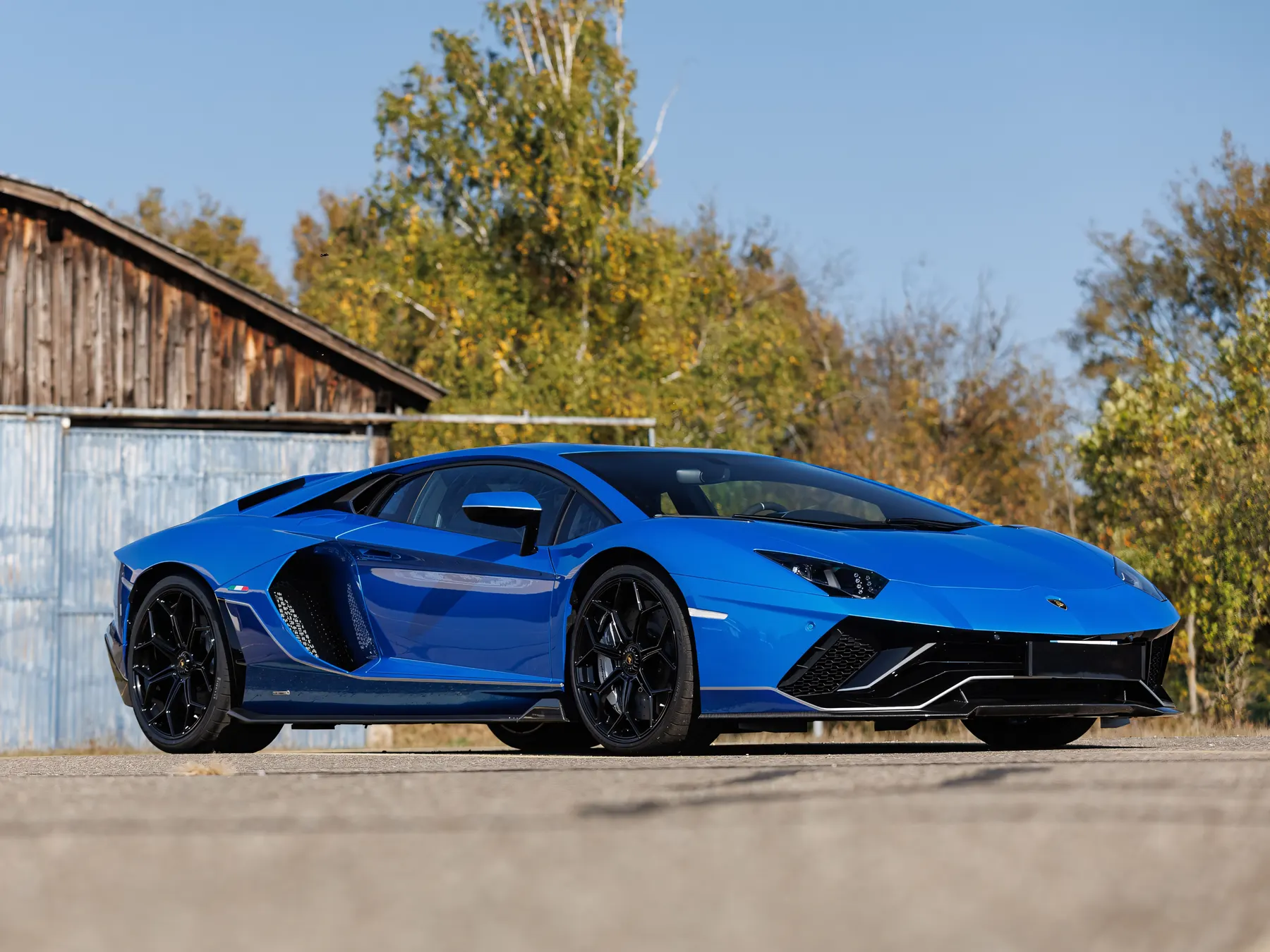
When Lamborghini decided how to close the book on eleven years of naturally aspirated V12 Aventadors, the company didn't design a new car so much as assemble a highlight reel. The Aventador LP 780-4 Ultimae Cou...
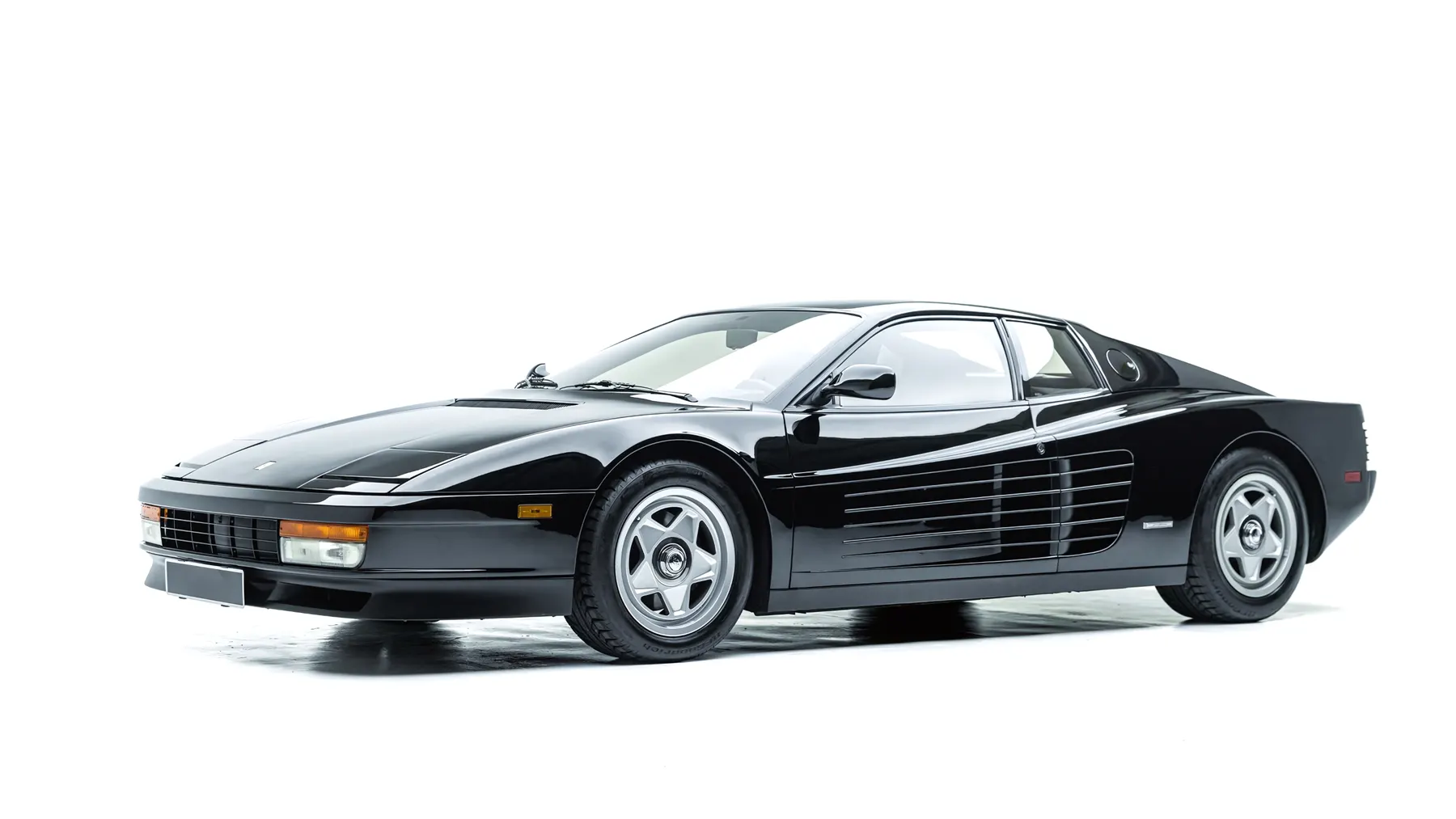
Somewhere in the early months of 1988, Ferrari's production line at Maranello began fitting a completely different wheel to cars that, from ten paces, looked identical to the ones that had been rolling out sinc...
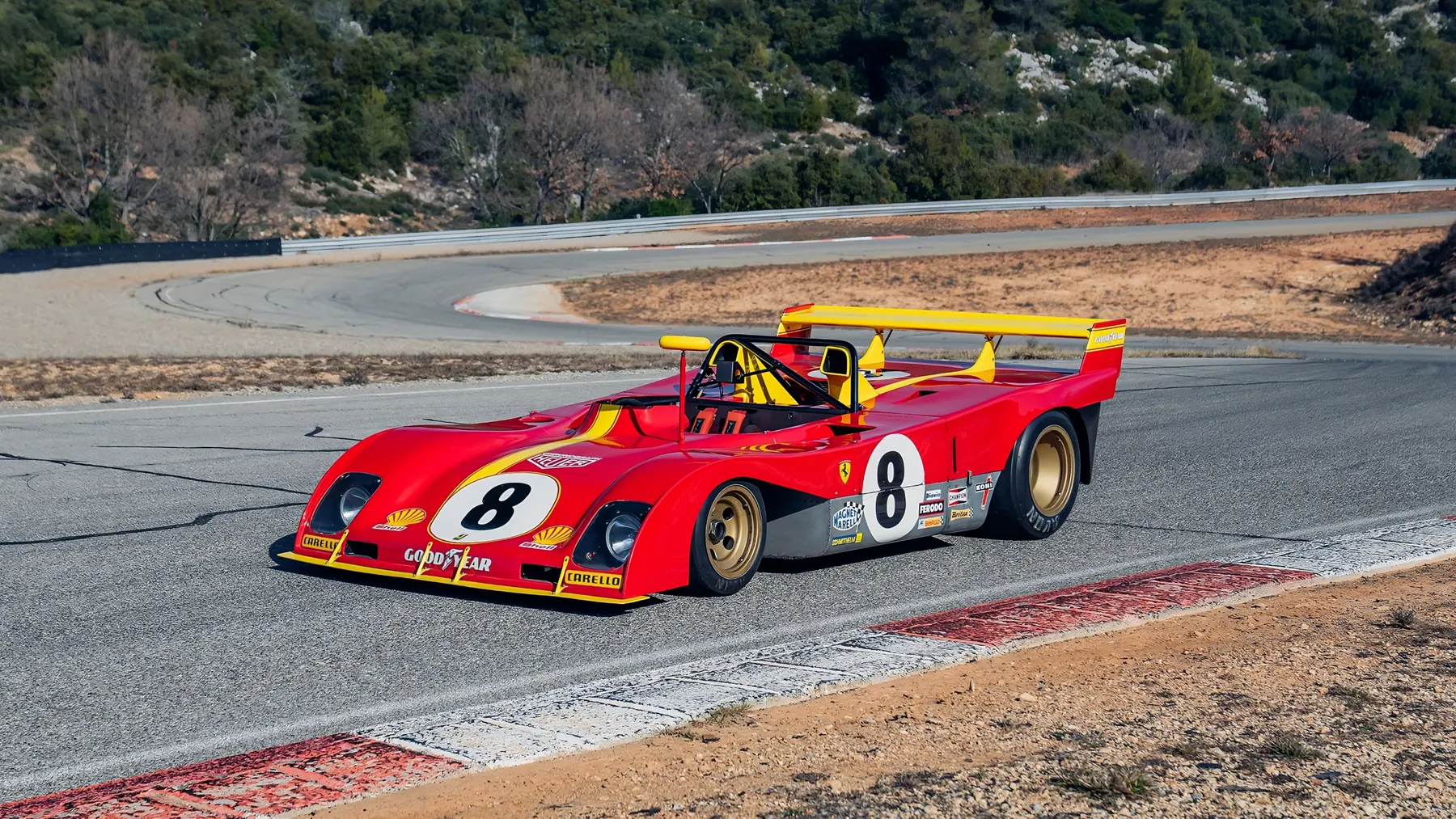
Ferrari's most successful sports racing car, by the reckoning of many, was never officially called what everyone calls it. Ferrari's own website is blunt about this: the 1971 sports prototype with the flat-12 e...
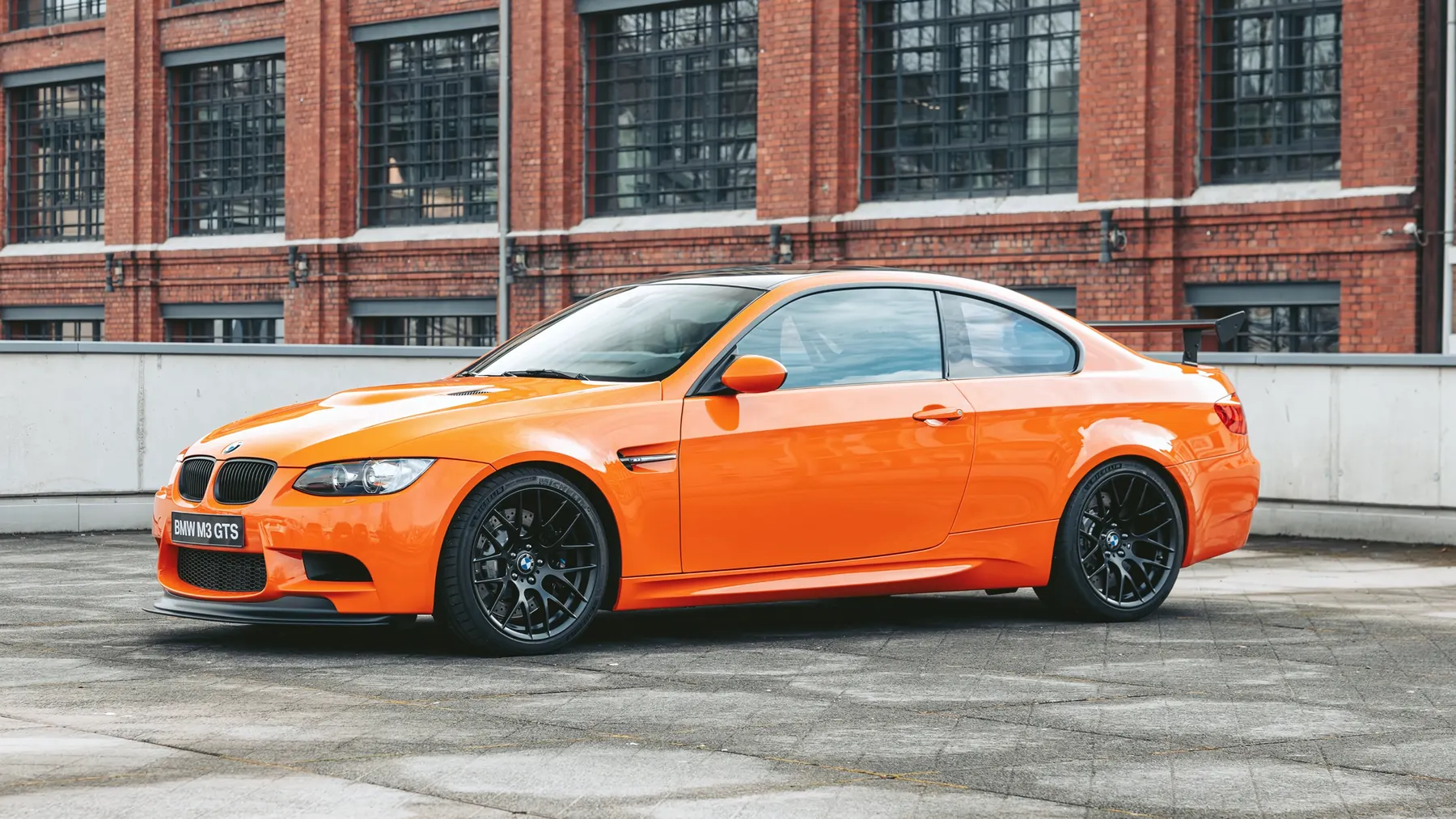
BMW didn't need to build the M3 GTS. Unlike the various Evolution versions of the E30 M3, homologated in small batches to keep pace with Group A touring car rivals, the 2010 GTS answered to no rulebook and sati...
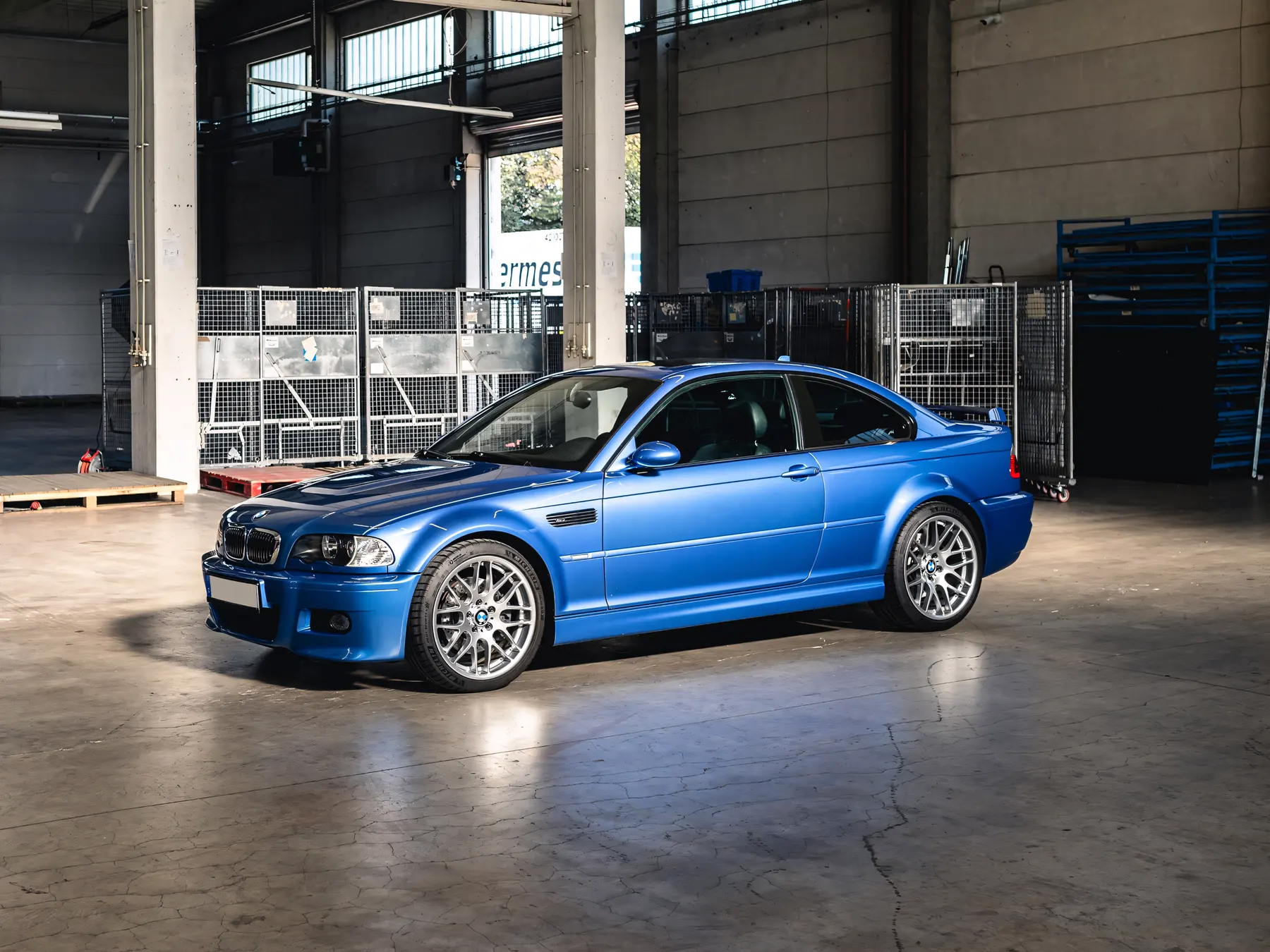
The chrome-edged gills set into the front wings of an E46 M3 were supposed to cool the engine. According to BMW M's own account, testing showed the ducts were not needed, and the car kept them anyway, where the...
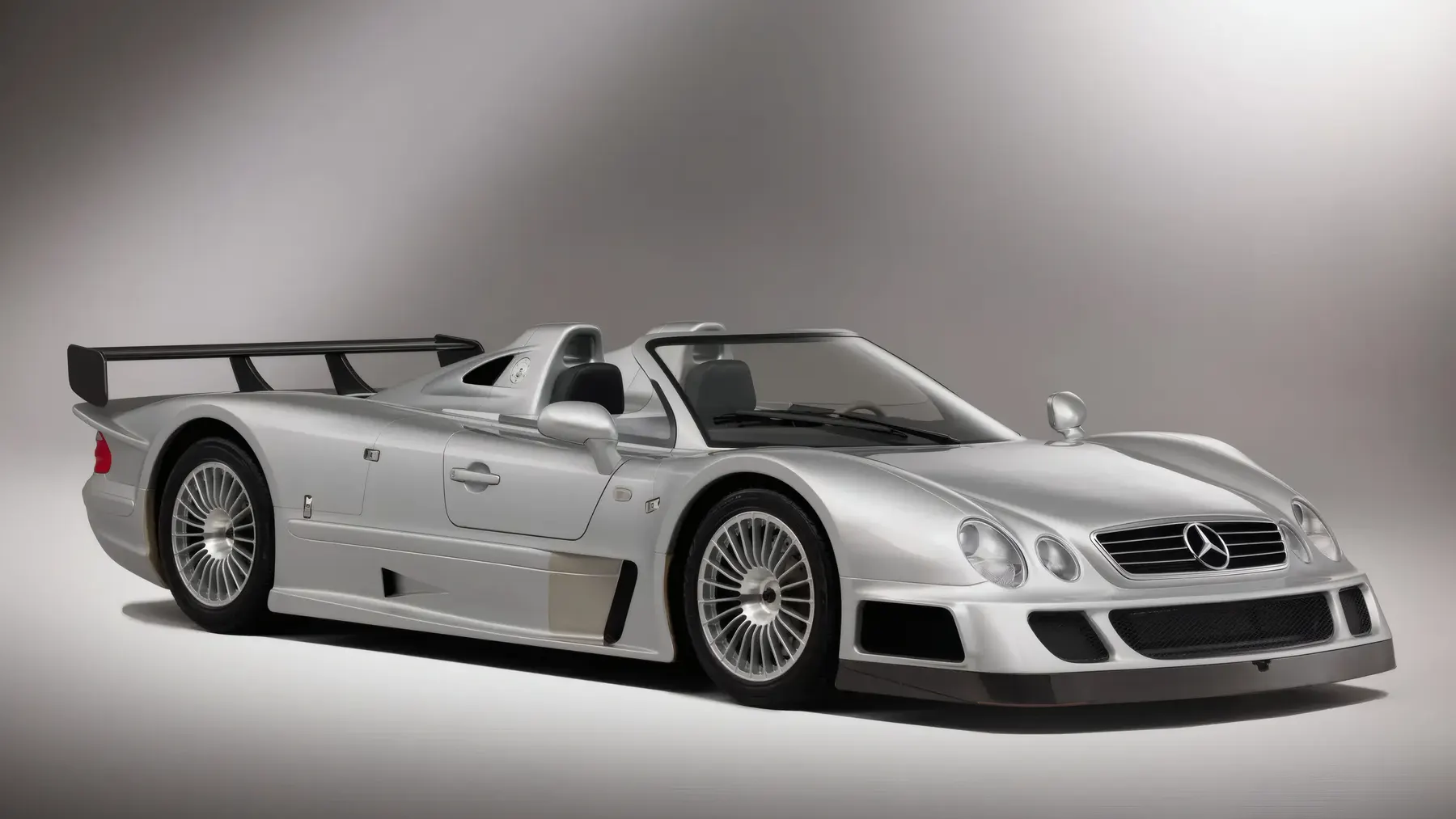
Cutting the roof off a car is normally the easy part of building a roadster; putting the lost stiffness back some other way is the hard part. Mercedes-Benz and AMG had already solved a much stranger version of...
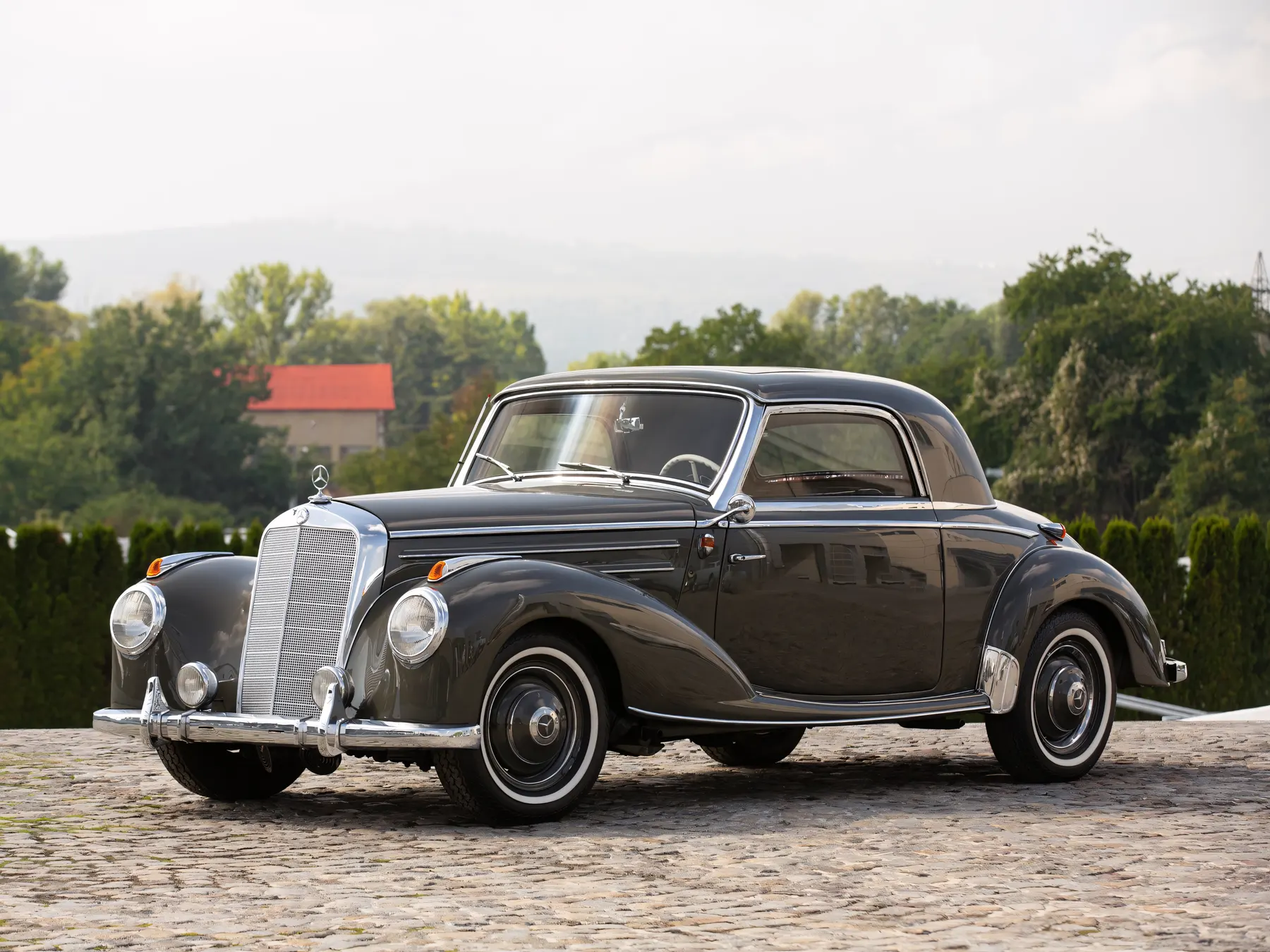
Mercedes-Benz did something quietly perverse with the 220 Coupé: it wrapped the costliest, most exclusive body in the entire 220 range around a shape its own engineers already knew was out of date, then asked b...
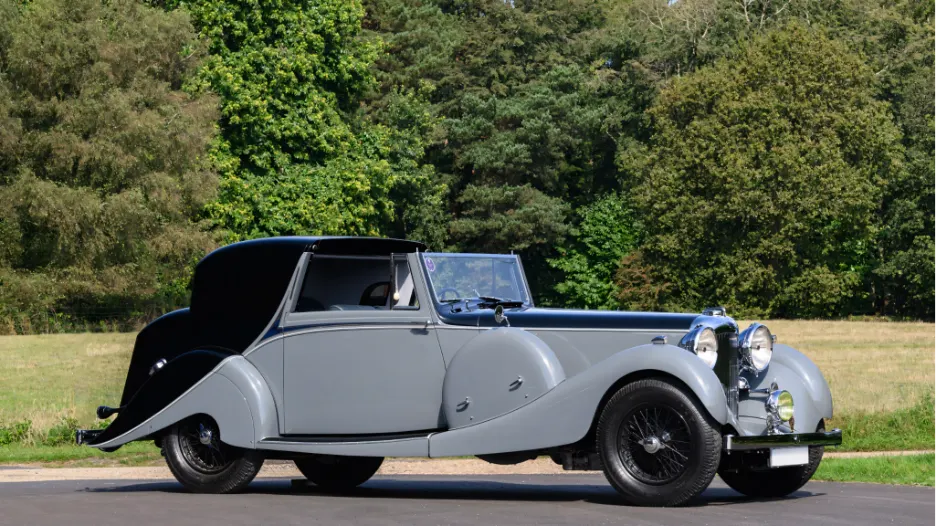
Lagonda's LG45 spent its short life being asked to be two things at once: the heir to a Le Mans winner, and a hushed, well-mannered carriage for people who would rather not wrestle a big six through a corner. T...
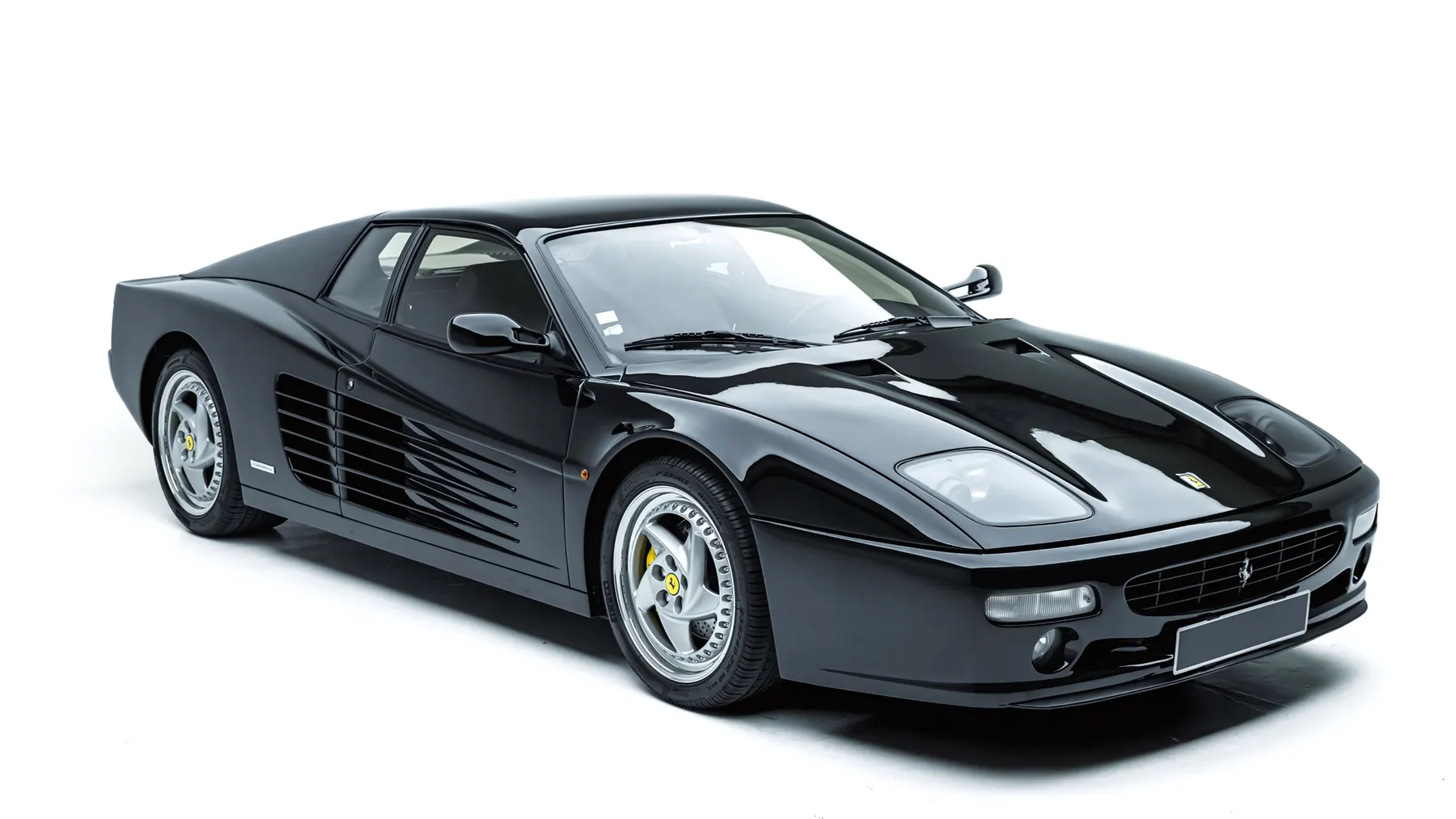
By 1994, Ferrari had spent twenty-three years refining a single idea: a flat-twelve engine slung low behind the driver, wrapped in Pininfarina bodywork descended from the 365 GT4/BB concept shown at the 1971 Tu...

Ferrari built the 599 GTB Fiorano as its most electronically sophisticated front-engined V12 to date, stuffed with a paddle-shift gearbox that could swap cogs in a tenth of a second, magnetically adjustable dam...

Take Ferrari's most single-minded interpretation of the F430 - a car stripped of sound-deadening, fitted with carbon-shelled racing seats and a steering-wheel dial borrowed straight from Formula 1 thinking, eng...

Turning an engine through ninety degrees sounds like a modest exercise in packaging, but in the 348 TS it changed how a small Ferrari behaved, for better and, in its first years, for worse. The 308 and 328 had...

Enzo Ferrari was in no hurry to hand his road-car customers everything his engineers already knew how to build. By the early 1950s, Aston Martin, Jaguar and Maserati were all selling twin-cam engines to anyone...

The most awkward thing about the first 964 Turbo was the engine it did not have. Porsche had spent the late 1980s reworking something like 80 per cent of the 911's parts, swapping torsion bars for coil springs,...

Bugatti spent much of the Chiron's production life proving things its own customers would never be allowed to do. In August 2019, at the end of an 8.8km straight at the Ehra-Lessien test track in Germany, Le Ma...