Delage D8 S Roadster by Pourtout: Aerodynamic Art at the Edge of a Marque's Ruin
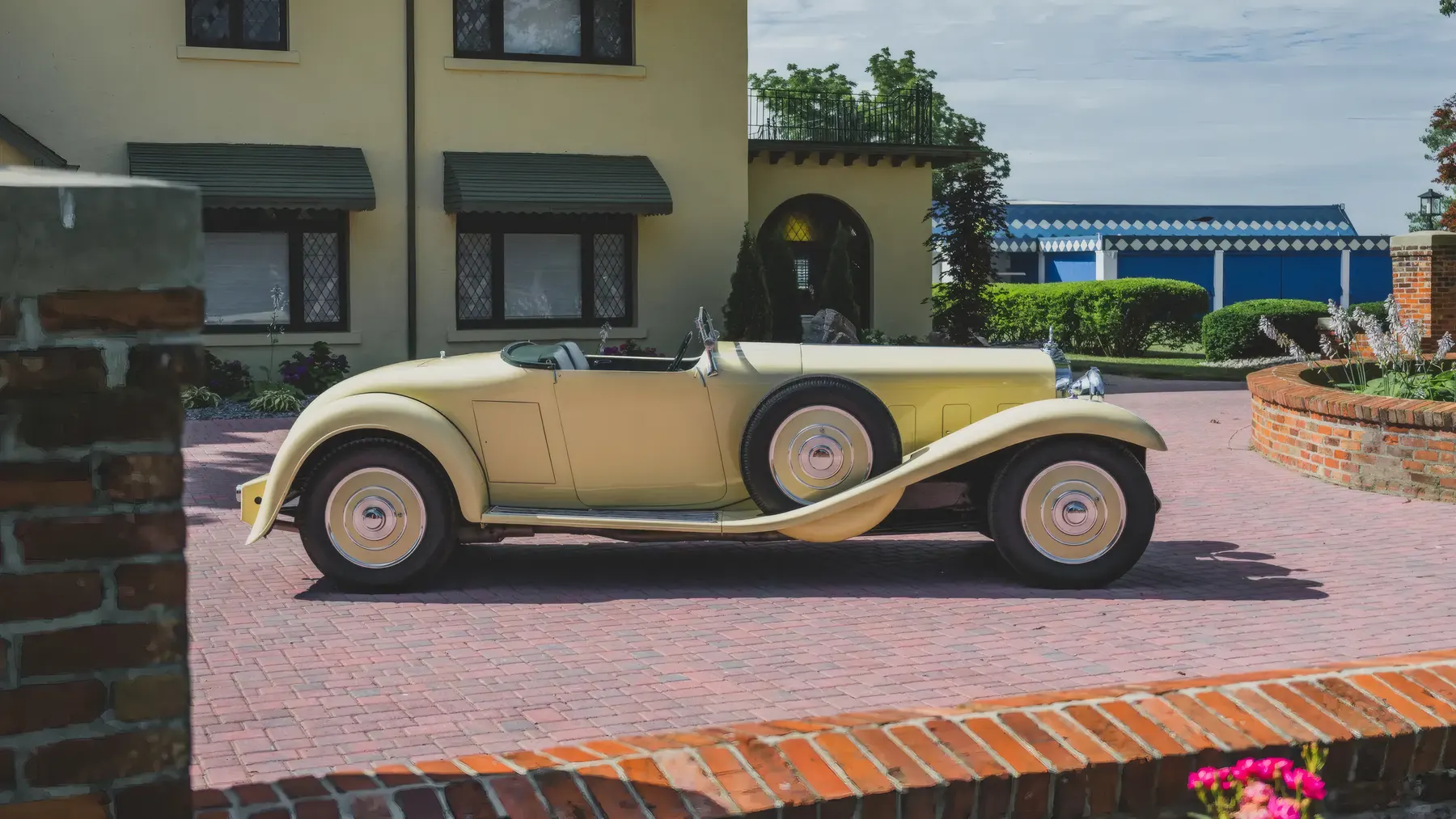
1932 Delage D8 S Roadster by Pourtout
Images: Darin Schnabel / RM Sotheby's
Louis Delâge founded his company in 1905 on a clear set of priorities: precision engineering, Grand Prix success, and the sort of commercial prestige that racing glory could confer on a luxury maker. For three decades that formula worked. His cars won Grands Prix in the 1920s with the kind of technical authority that made the Delage name synonymous with French engineering at its most ambitious, and the road cars - polished, refined, sold to a clientele that did not accept compromise - carried that reputation into the showrooms of Paris. By the early 1930s, the Great Depression had found the fault lines in this arrangement and applied steady, destructive pressure. Delâge was forced to sell the company he had built, and the Delage name passed to new ownership in 1935. What followed is one of the stranger ironies in pre-war motoring: the most visually extraordinary cars to wear that badge were commissioned and completed during, and in some cases after, this period of corporate dissolution. The D8 S Roadster bodied by Marcel Pourtout belongs to that particular twilight - a piece of coachbuilding of surpassing elegance constructed at the moment when the identity it expressed was being dismantled.
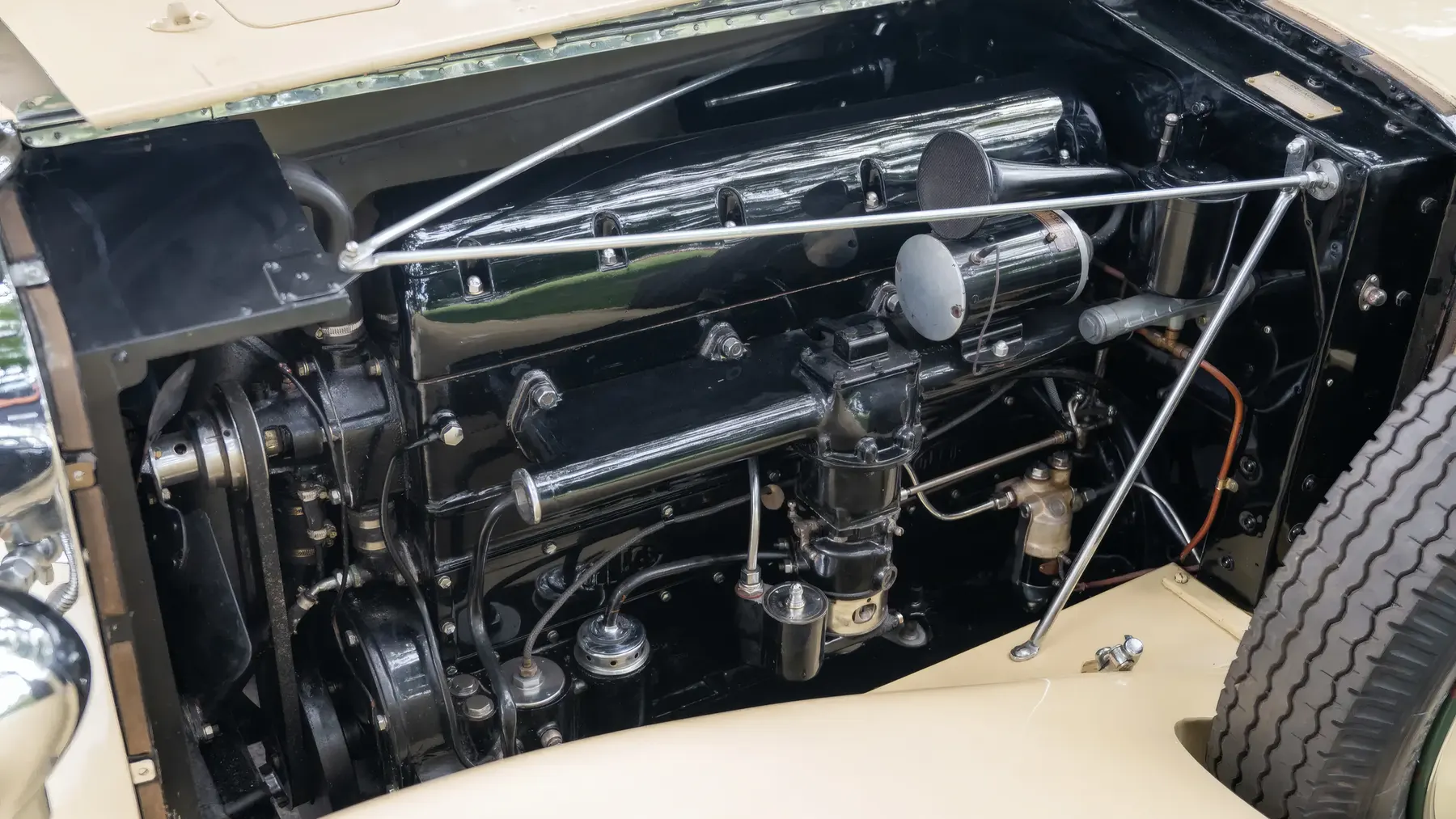
The D8 was introduced in 1929 as Delage’s answer to the emerging market for prestige grand touring machinery with genuine performance pretensions. Its foundation was a long inline eight-cylinder engine displacing approximately 4,050cc - smooth in a way that a four or six of the period rarely managed, inherently balanced, and designed to produce its power with the kind of unhurried, sustained authority that wealthy clients and their chauffeurs expected on the routes nationales of France. The chassis was well-engineered rather than revolutionary: a substantial separate frame, carrying bodywork that would be determined entirely by whoever the owner commissioned to build it. The D8 S, the sporting variant within the range, received a more carefully prepared version of the engine reportedly producing somewhere in the region of 115–120 bhp, depending on specification and state of tune - figures that put it in credible company among European GT machinery of the period, if well short of the supercharged front runners from Stuttgart and Molsheim.
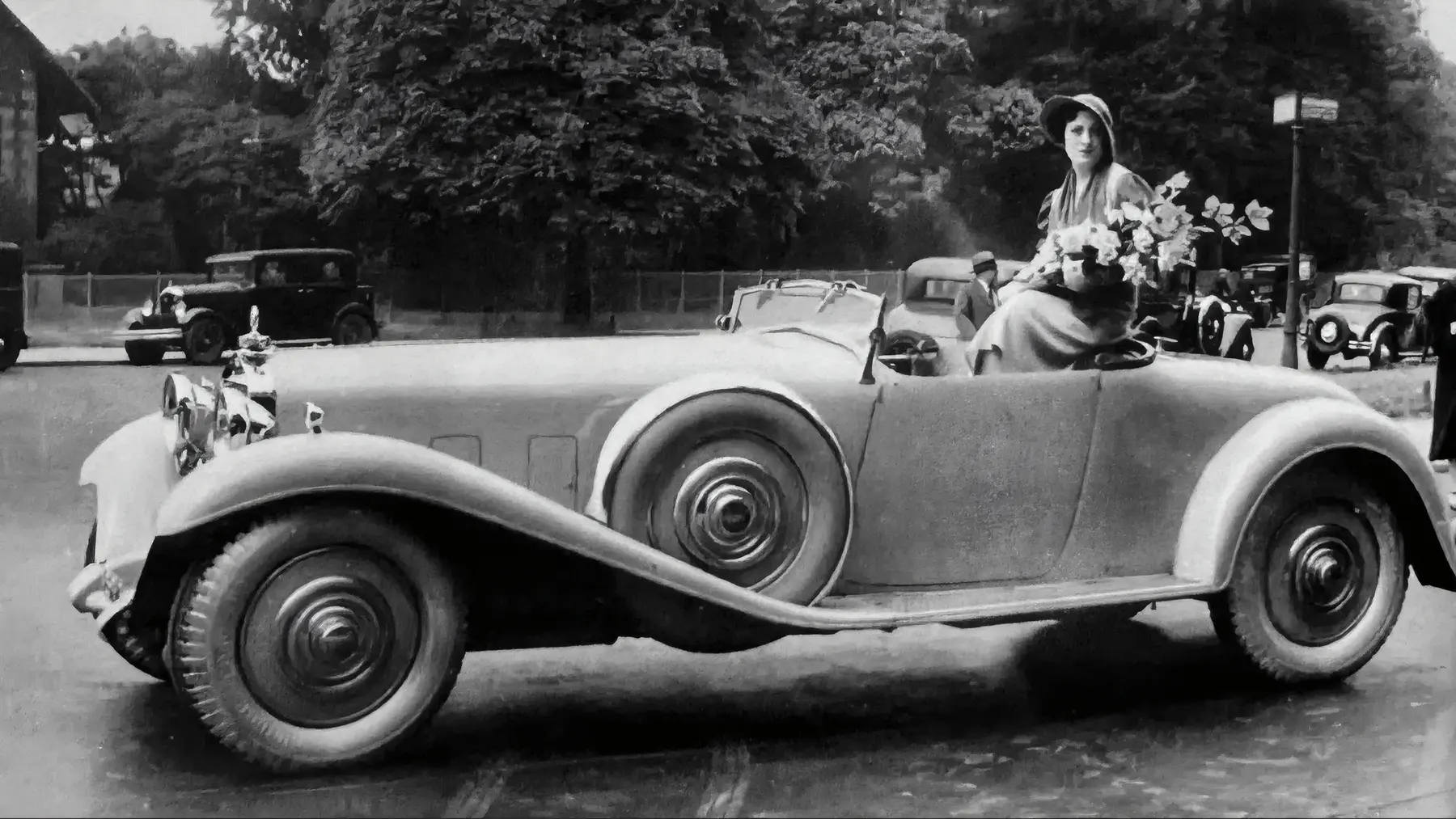
What elevated the D8 S from a fine chassis to a historical artefact was the intervention of Marcel Pourtout and his atelier at Bougival, west of Paris. Pourtout was not among the most famous of the great coachbuilders - he lacked the international celebrity of Figoni et Falaschi or the institutional grandeur of Henri Chapron - but in the mid-1930s his workshop was engaged in work that was arguably more intellectually serious than much of what those celebrated houses were producing. The decisive influence was Georges Paulin, a man whose professional occupation was dentistry and whose secondary vocation was automotive design. Paulin’s approach to the car body was shaped by aeronautical thinking rather than couture tradition: he was interested in airflow, in surface continuity, in reducing the visual and physical turbulence that characterised most contemporary coachwork. Where other designers were still applying ornament to essentially carriage-derived forms, Paulin was asking what a body needed to be rather than what it should look like.
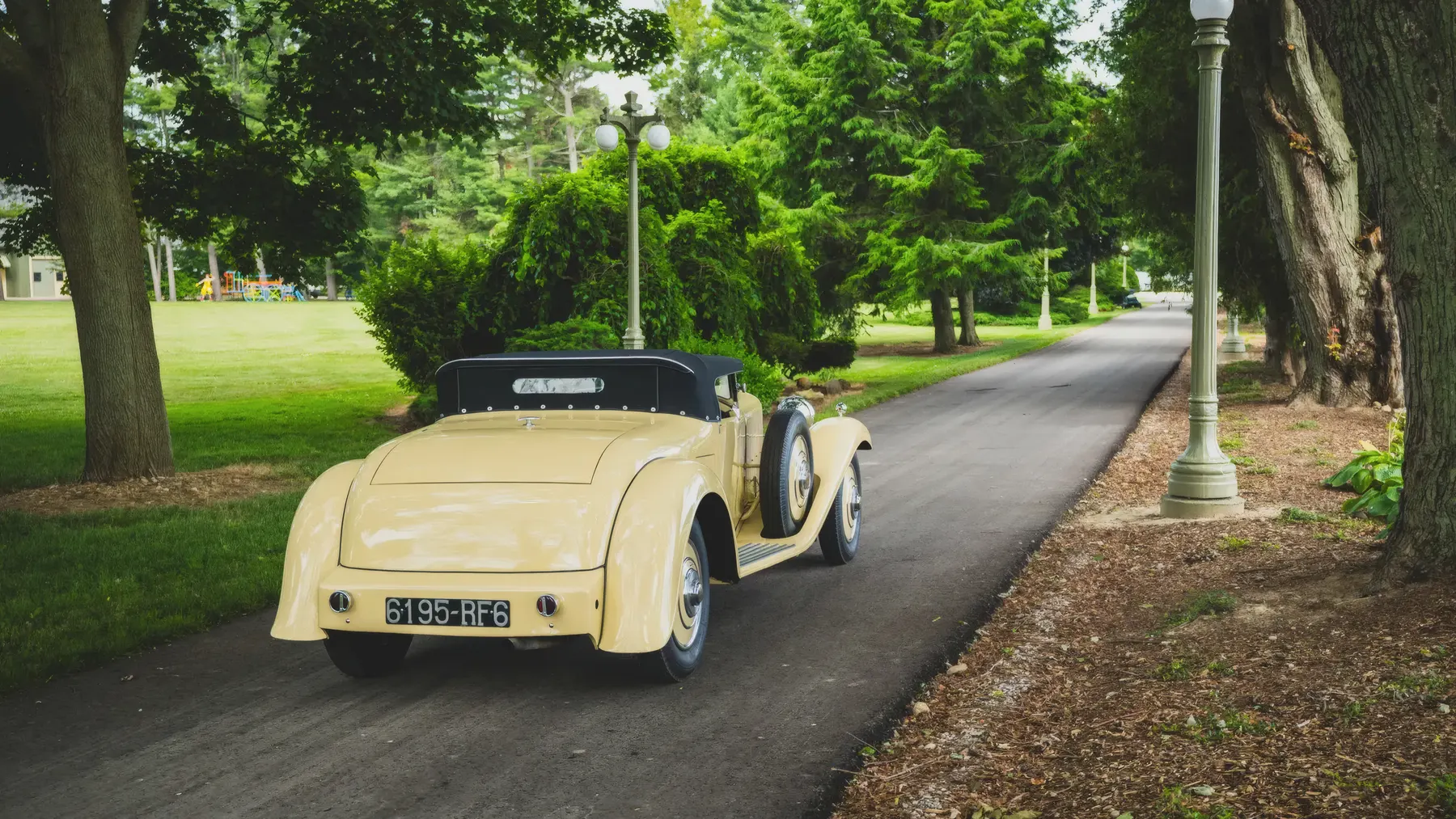
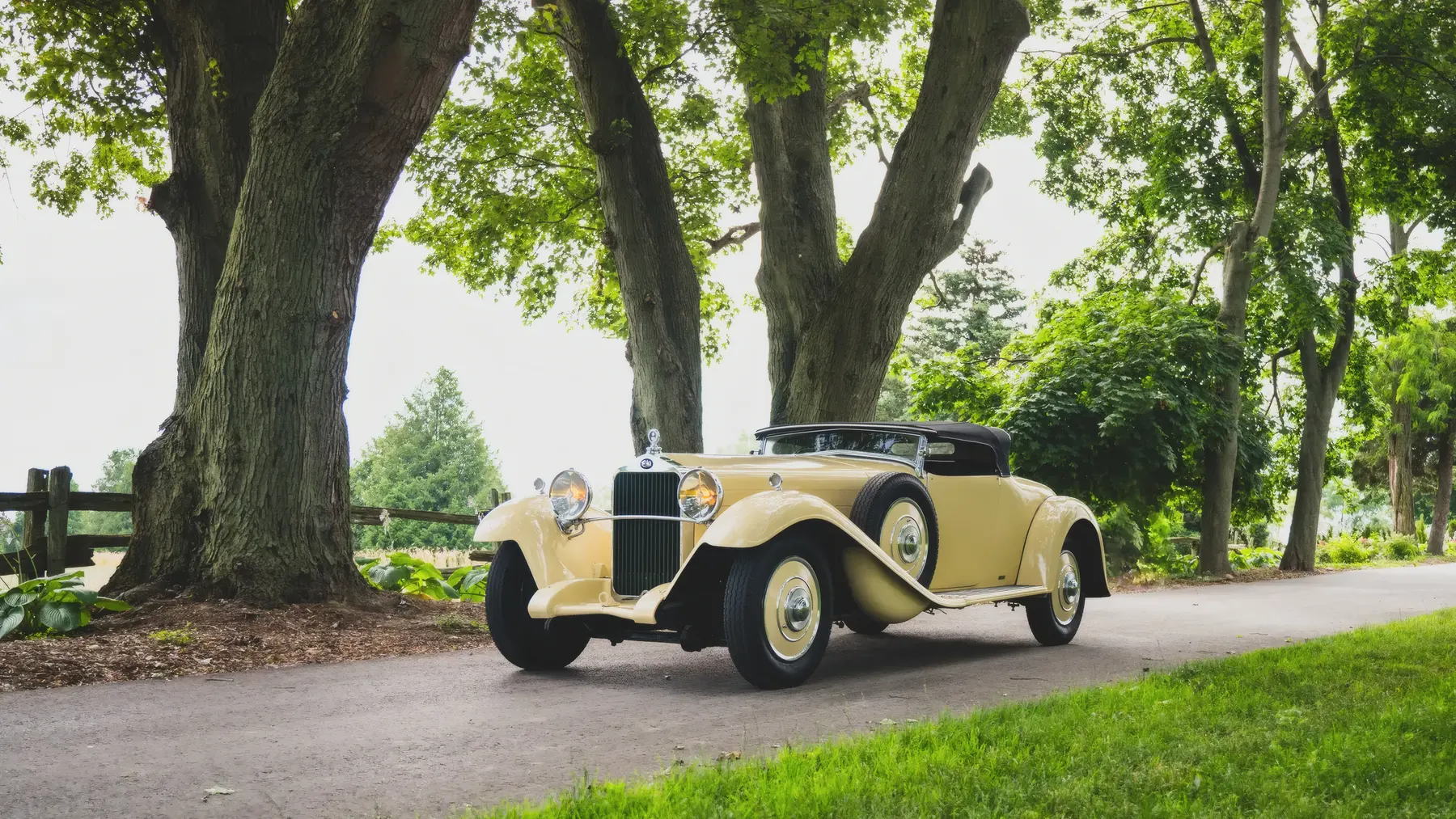
The roadster body that Pourtout constructed on the D8 S chassis under Paulin’s influence is a direct expression of that philosophy. The bonnet is long and low, drawn forward over the straight-eight with almost austere restraint; the transition from bonnet to cockpit is abrupt by the standards of later streamline work, creating a spare, functional cabin that places the occupants close to the road surface and the elements. The fenders develop from the front of the car with a sweep that resists the tendency toward excessive decorative flourish: they are integrated into the body’s visual logic rather than applied to it, anticipating the full pontoon style that would become standard practice only after the war. The tail draws out cleanly, tapering in a way that suggests real concern with what happens to air at the back of the car rather than merely what looks elegant from the kerb. Taken in total, the body reads as an argument - an insistence that restraint and aerodynamic integrity are not in conflict with beauty, and that a French chassis could carry those ideas as convincingly as anything from Germany or Italy.
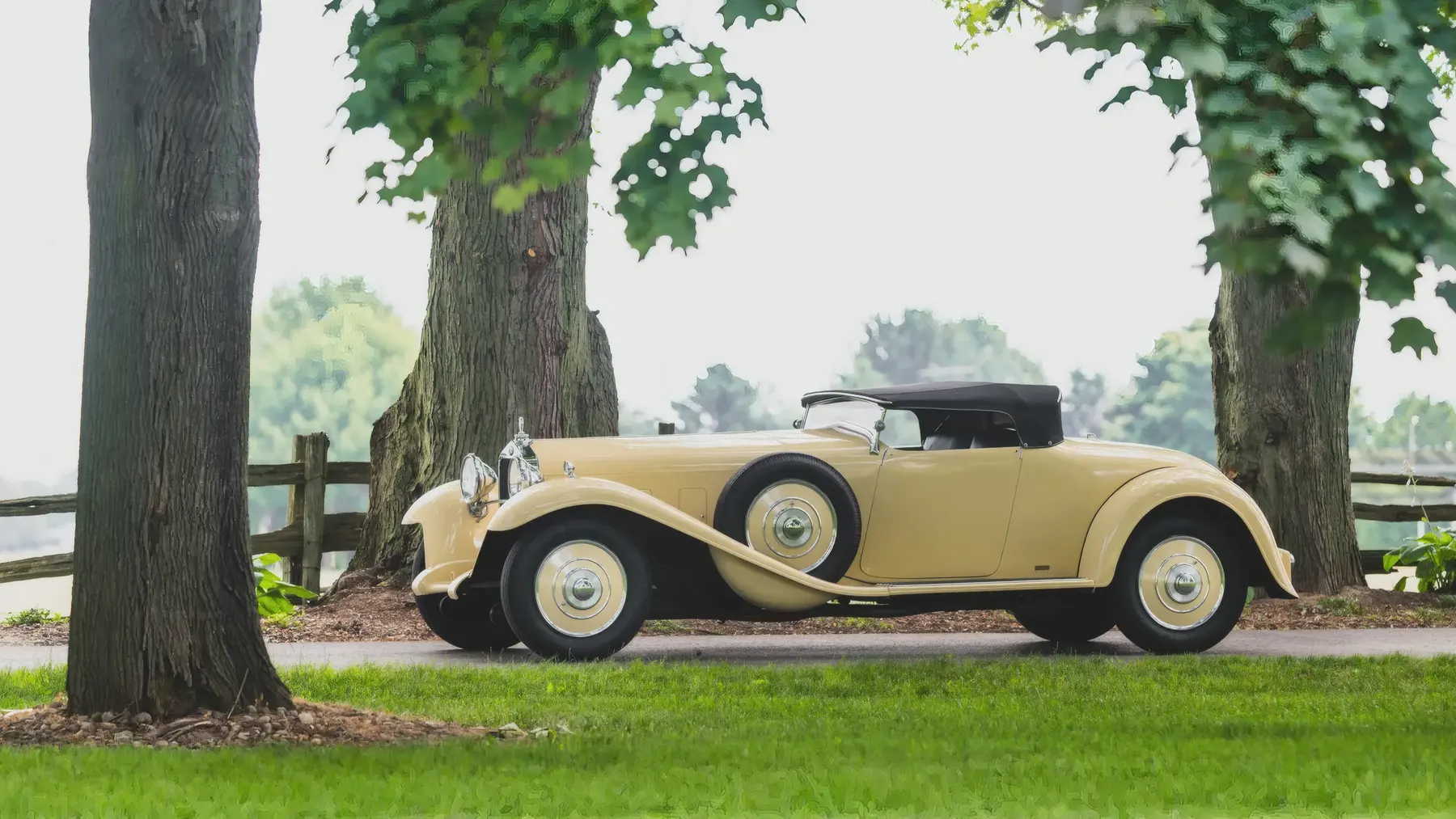
To drive the D8 S Roadster was to experience the gap between that visual argument and mechanical reality, and it is a gap worth understanding clearly. The straight-eight was genuinely refined by the standards of its era: it pulled smoothly, ran without the harshness of shorter-stroke fours, and made the kind of quiet, turbine-like progress across distance that its design intended. The gearbox, a four-speed unit, rewarded deliberate, unhurried operation and returned that treatment with reasonable precision. The suspension - sprung conventionally for a French grand routier - absorbed the variable surfaces of interwar roads with composure when the car was travelling at the tempo for which it was built, which is to say briskly but not urgently. At sustained highway speeds, covering the kind of distance between cities that was the car’s natural purpose, the D8 S was genuinely accomplished.
The limitations became apparent when the car was asked to behave as its silhouette implied it might. A complete D8 S in coachbuilt roadster configuration carried significant mass - cautious estimates place kerb weight somewhere in the region of 1,400 to 1,600 kg, depending on the specific body commission - and the available 115–120 bhp could not overcome that figure with any particular urgency. Acceleration was adequate rather than exciting; the handling, while acceptable on smooth surfaces, reflected a chassis designed around comfort rather than cornering. The steering, accurate enough for straight-line work, communicated less than a driver genuinely interested in the road might wish for. The Pourtout body looks like a sporting machine and in many senses feels like one, but the sensation of genuine dynamic ability was always more impressionistic than real. This is not a flaw unique to the Delage, but it is a flaw that needs naming: the car’s visual ambition considerably exceeded its performance ambition, and the mismatch was not a secret to those who drove one carefully.
The mechanical complexity of the D8 S in period ownership compounded matters in ways that prospective owners rarely examined in advance. The long straight-eight demanded attentive maintenance: lubrication systems required regular inspection, carburation on the multiple-carburettor installations used in sporting specification needed specialist calibration, and ignition timing was sensitive enough to punish neglect. The coachbuilt body - however beautifully fabricated - sat on a separate chassis susceptible to the flexing inherent in that type of construction, and a long, low roadster body on a substantial frame was an arrangement prone to subtle misalignment over time and rough roads. The costs of keeping such a car in proper running order were substantial, even by the elevated standards of its ownership demographic.
The corporate disruption of the mid-1930s introduced an additional and less frequently acknowledged variable. The Delage that continued production after the ownership change in 1935 was not quite the same organisation that had built the earlier D8 variants, and some observers with knowledge of the period have noted inconsistency in the mechanical preparation and quality control of later cars. The coachwork - produced independently by ateliers like Pourtout - maintained its own standards regardless of what was happening in the factory, but the rolling chassis arriving at those ateliers was a product of changed circumstances. Whether that mattered in day-to-day use is difficult to quantify, but it means that the D8 S as a model line is not entirely uniform in character.
What the Pourtout roadster preserves, and what makes it significant beyond its undeniable aesthetic quality, is a specific cultural moment. The mid-to-late 1930s in France represented a brief and intense convergence: streamline theory, imported from aeronautics and applied to coachwork with increasing sophistication; a tradition of bespoke bodybuilding still operating at something close to its historical peak; and a willingness among a narrow but wealthy clientele to commission work that was genuinely experimental rather than merely fashionable. Paulin’s thinking, executed by Pourtout’s craftsmen on the Delage D8 S chassis, sits at the intersection of all three. It did not directly influence subsequent production cars in the way that factory engineering innovations sometimes do; it was too rarefied, too specific to its moment and its method. Its influence was on the vocabulary of form, on the visual argument about what a motorcar could look like, and on the designers who studied such cars when aerodynamic coachwork was still being defined rather than standardised.
The D8 S Roadster by Pourtout did not need to be faster, or lighter, or mechanically more sophisticated than it was, to be historically important. It needed to ask the right questions about form, and it did. That the asking came at the end of a great marque’s independent life, and that the company whose chassis supported those questions would never again produce anything of comparable aesthetic ambition, gives the car a pathos that its composed, almost serene bodywork does nothing to betray.