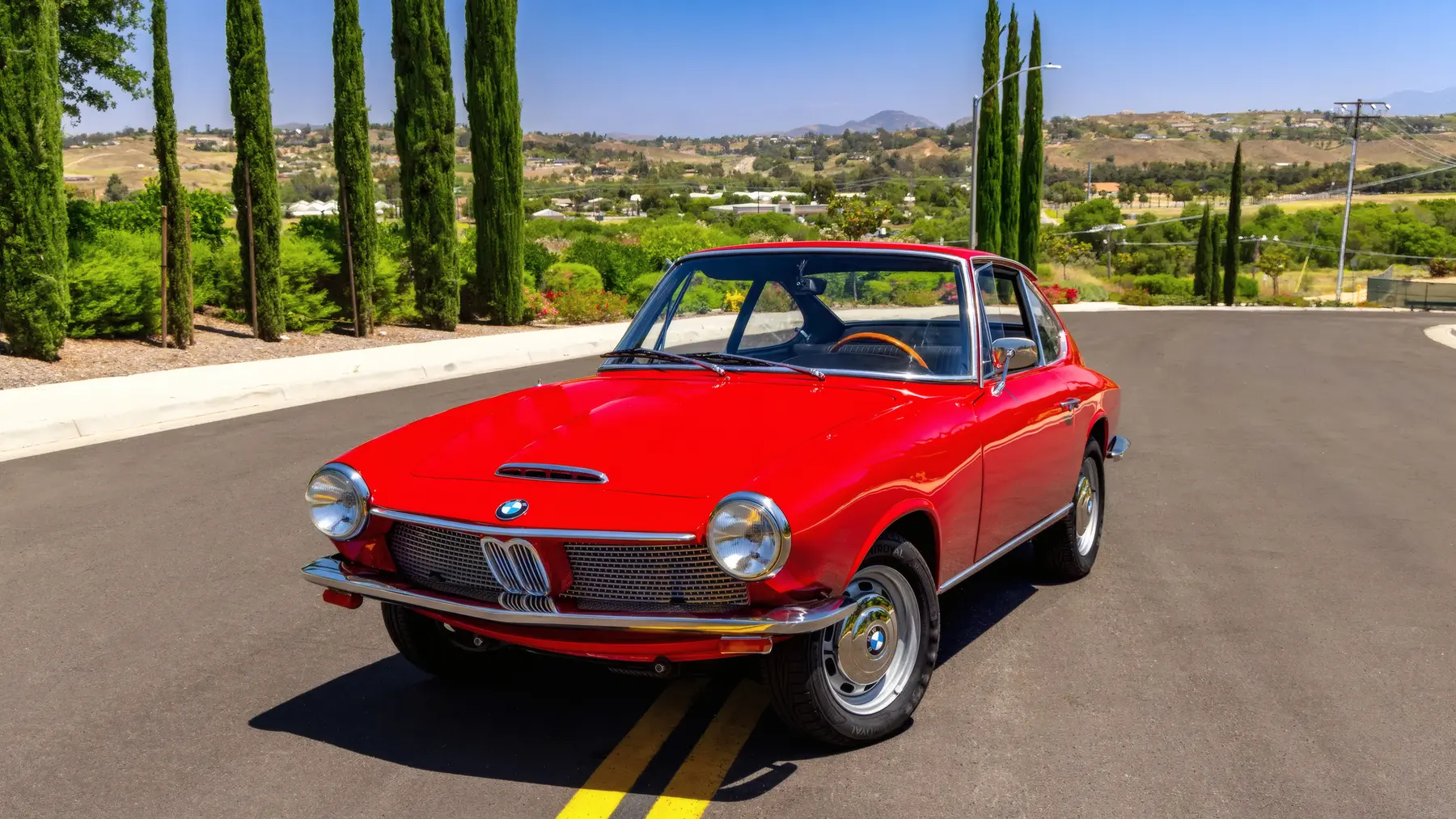
1968 BMW-Glas 1600 GT by Maggiora
Badge engineering usually works forwards: a manufacturer builds a car, then dresses it up for a foreign market or a cheaper trim level. The BMW-Glas 1600 GT worked backwards. By the time a blue-and-white rounde...
Curated collection
Cars that marked decisive changes in how their manufacturers operated, introducing new levels of production scale, manufacturing discipline or industrial ambition that reshaped the companies behind them.
Collection note
Some cars are significant not because they introduced a revolutionary engine, radical chassis or new form of performance, but because they changed the way a manufacturer built cars altogether. This collection gathers models that represent important transitions from small-scale craftsmanship toward more organised, repeatable or ambitious production. They may mark the moment a specialist workshop became a serious manufacturer, when traditional coachbuilding gave way to greater standardisation, or when expanding demand forced a company to rethink factories, suppliers, production methods and the scale on which it could operate. The cars themselves were not necessarily mass-produced, nor were they always technically groundbreaking. Their importance lies in what their manufacture required and what it made possible afterwards. Some helped establish new production facilities, others demonstrated that previously exclusive marques could build cars in meaningful numbers without abandoning their identity, and some became commercial foundations for much larger ranges to follow. These turning points often sit quietly between more celebrated engineering milestones, yet they can be just as important in explaining how an automotive company evolved. These are the cars that changed not simply what a manufacturer produced, but what kind of manufacturer it was capable of becoming.
Badge engineering usually works forwards: a manufacturer builds a car, then dresses it up for a foreign market or a cheaper trim level. The BMW-Glas 1600 GT worked backwards. By the time a blue-and-white rounde...
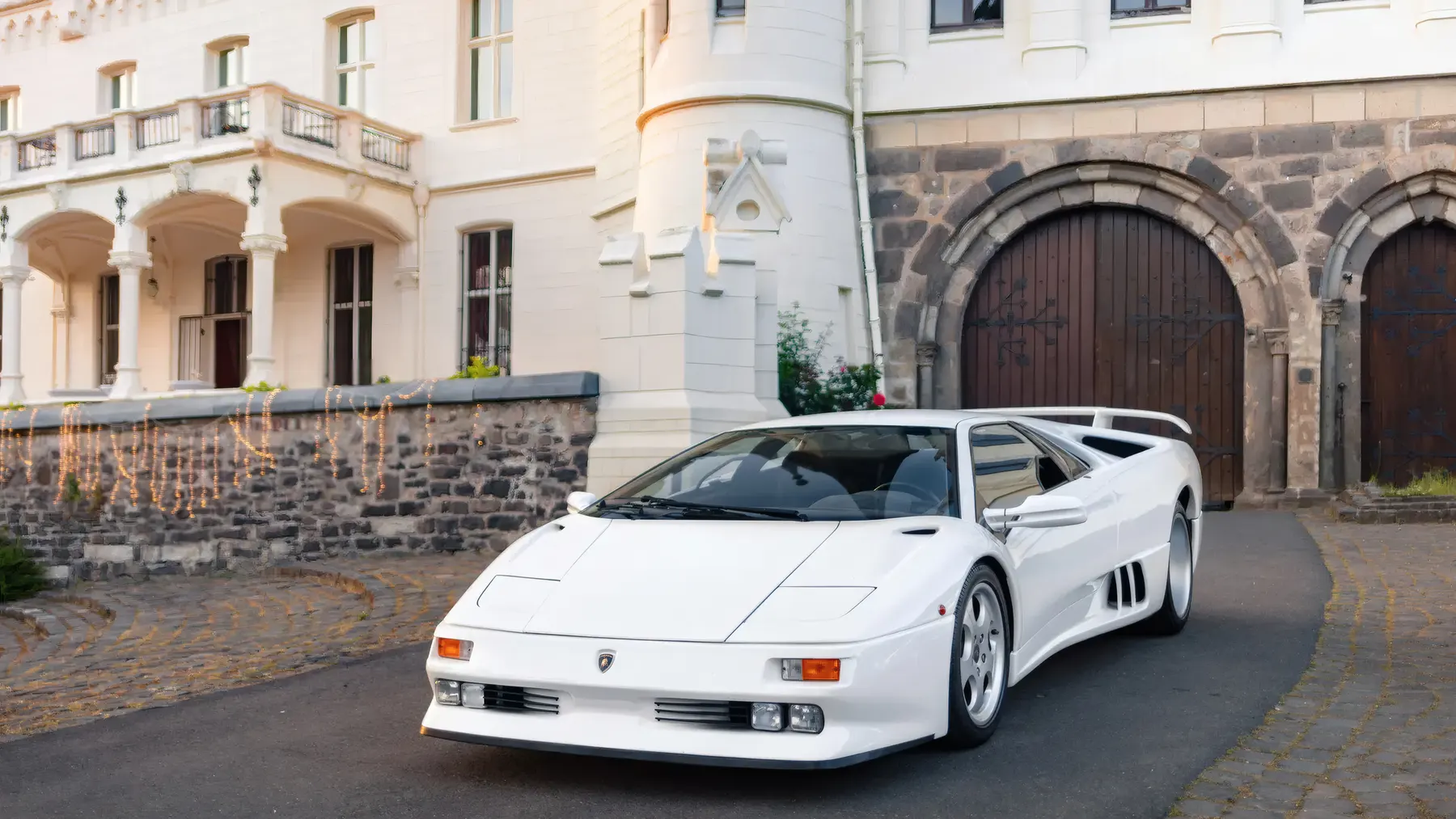
Lamborghini threw itself a thirtieth birthday party in September 1993, and the gift it unveiled was almost spiteful in its purity: a Diablo stripped of power steering, anti-lock brakes, air-conditioning and eve...
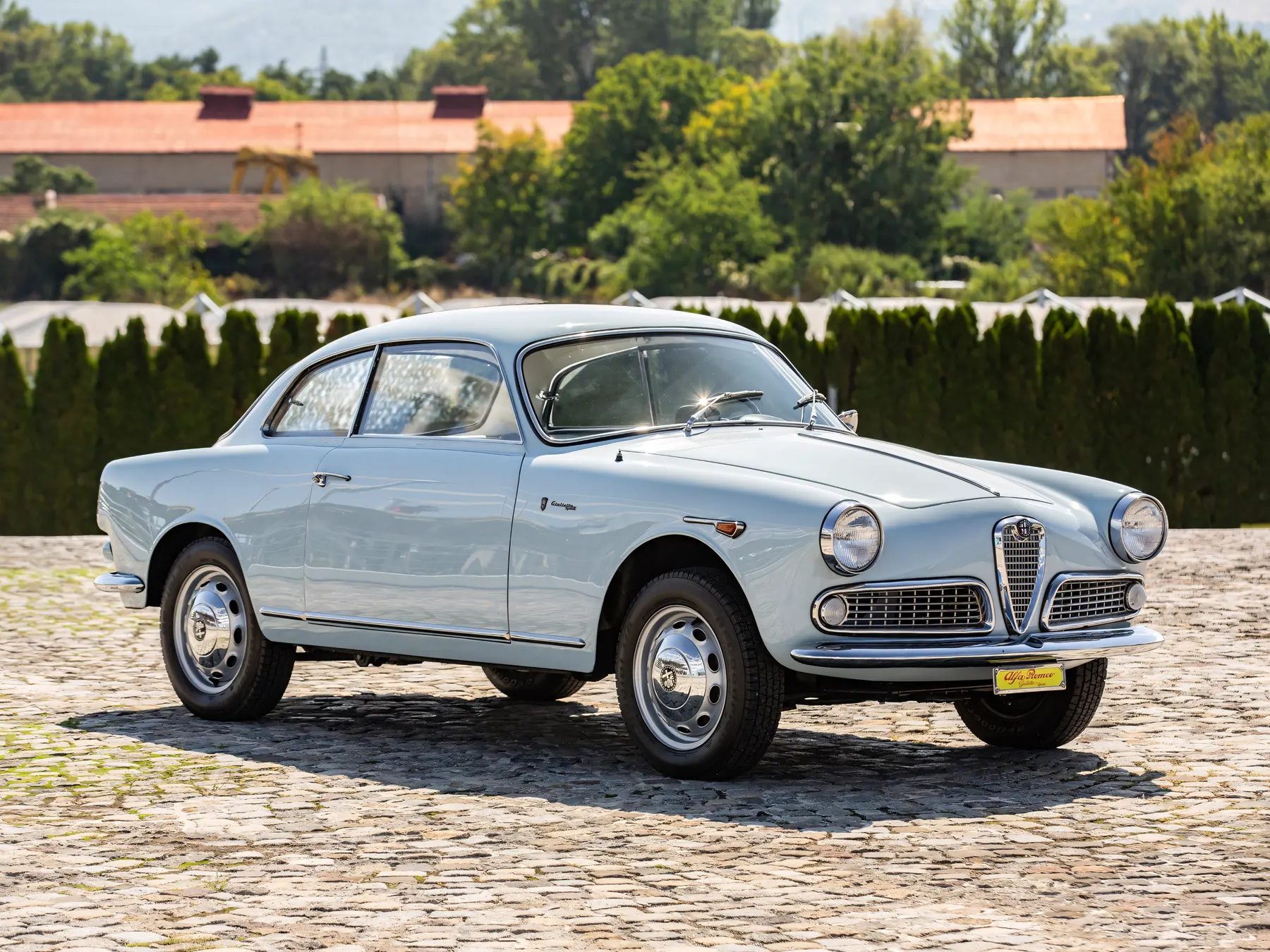
Alfa Romeo built the Giulietta Sprint to get out of an embarrassment, not to found a dynasty. By the end of 1953 the company had a new four-door saloon that was not ready, a state-owned parent that had helped f...

Enzo Ferrari never much cared for road cars, and the Ferrari 250 GT Coupé that Pinin Farina began building at its new factory outside Turin in 1958 makes that indifference oddly legible in sheet metal. This was...