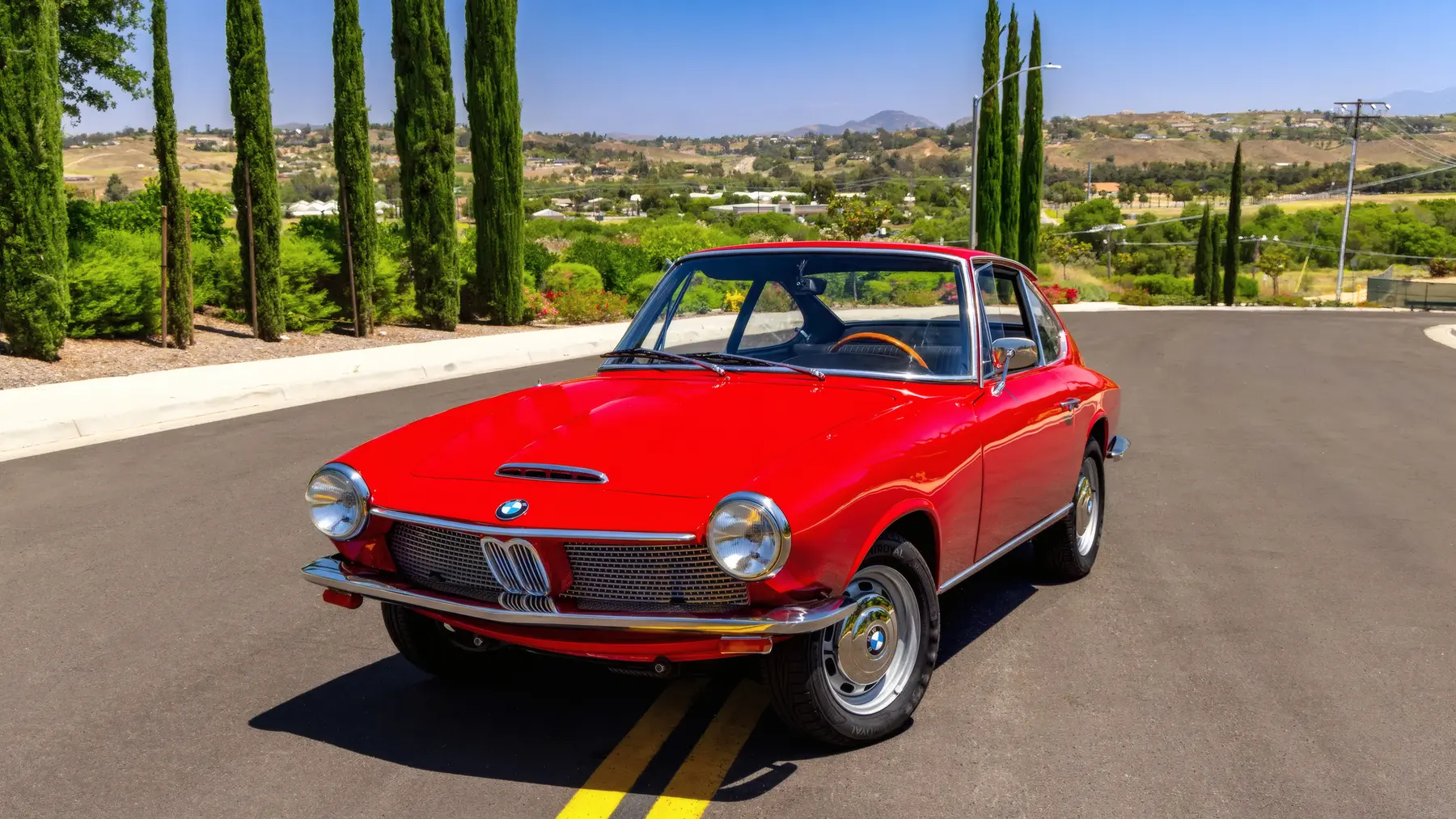
1968 BMW-Glas 1600 GT by Maggiora
Badge engineering usually works forwards: a manufacturer builds a car, then dresses it up for a foreign market or a cheaper trim level. The BMW-Glas 1600 GT worked backwards. By the time a blue-and-white rounde...
Curated collection
Cars shaped by unlikely partnerships between manufacturers, designers, engineers, coachbuilders or outside specialists whose combined influence created something neither side would have produced alone.
Collection note
Some of the most distinctive cars emerge when responsibility is shared between people or organisations with very different ideas about what the finished machine should be. This collection gathers cars created through collaborations that were unusual, culturally mismatched or simply unexpected: manufacturers working with outside engineering firms, established marques commissioning unfamiliar designers, private specialists reshaping factory machinery, or companies from different parts of the industry combining their expertise around a single project. What matters is not merely that several parties were involved - collaboration is normal in car production - but that the partnership materially changed the result. One participant might contribute an engine, another a chassis, another the styling or manufacturing expertise, with the finished car becoming a negotiation between competing priorities. Sometimes those differences produced remarkable coherence; sometimes the tensions remained visible in the engineering, proportions or character of the car itself. These projects are interesting precisely because authorship becomes difficult to assign to one badge or one company. They reveal how much automotive creativity can come from crossing organisational boundaries, combining specialist knowledge and allowing unfamiliar influences into an established marque. The cars here are products of partnerships that were never obvious on paper, but became memorable because each collaborator brought something the others could not have supplied alone.
Badge engineering usually works forwards: a manufacturer builds a car, then dresses it up for a foreign market or a cheaper trim level. The BMW-Glas 1600 GT worked backwards. By the time a blue-and-white rounde...
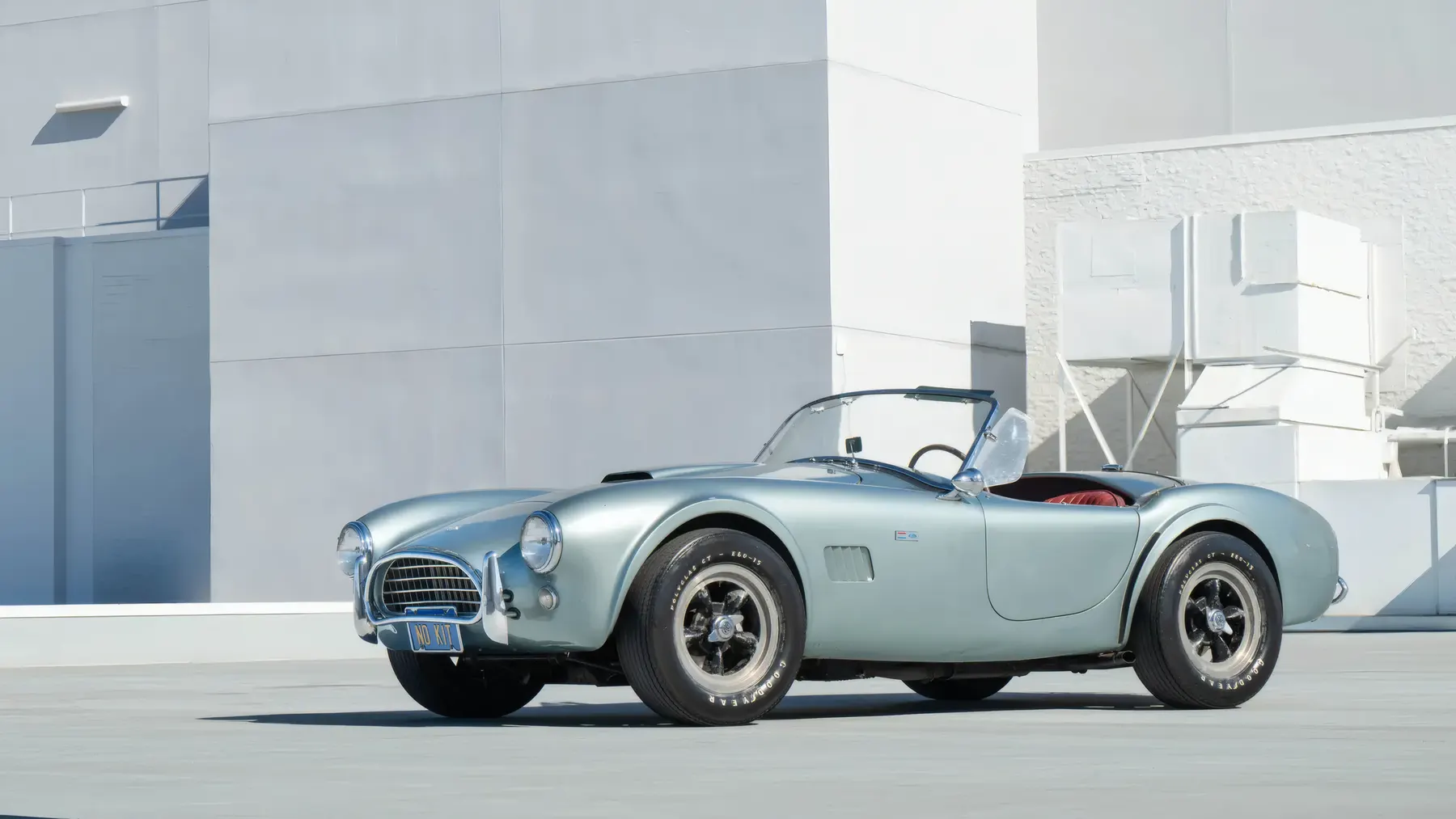
Anyone pairing "Shelby 289 Cobra" with "Snake Charmer" into a search bar is chasing a person's story as much as a car's. Carroll Shelby coined that nickname for a customer he'd befriended on the West Coast raci...
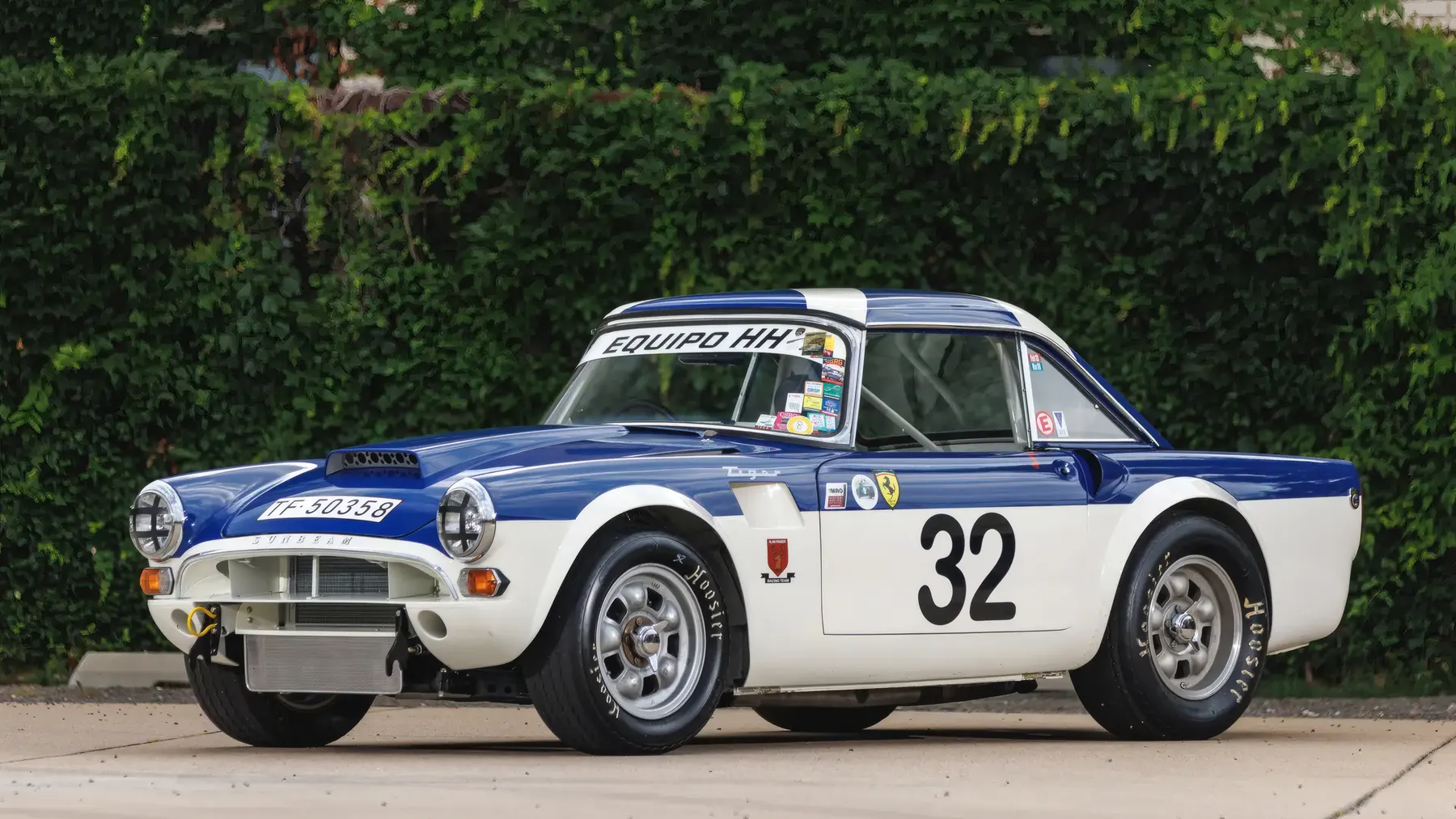
Few racing specials owe their existence quite so literally to cannibalism as the Sunbeam Tiger known across British club-racing paddocks as the Monster. Built for the 1966 season by the Kent-based Alan Fraser R...
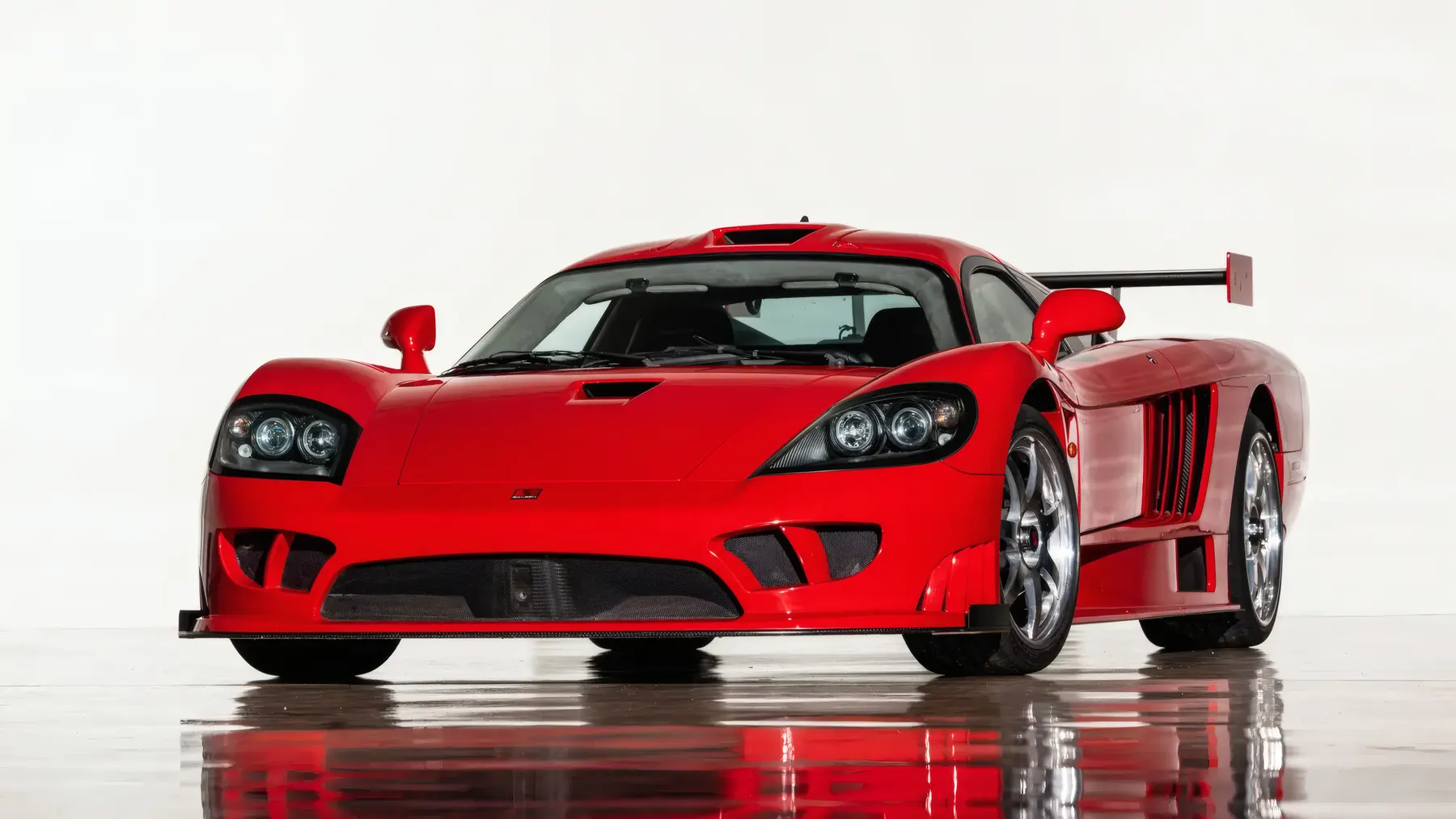
Most supercar options lists sell comfort, colour, or badges nobody strictly needs. Saleen's order form for the S7 offered something closer to a genuine engineering escalation: a single checkbox that took the co...
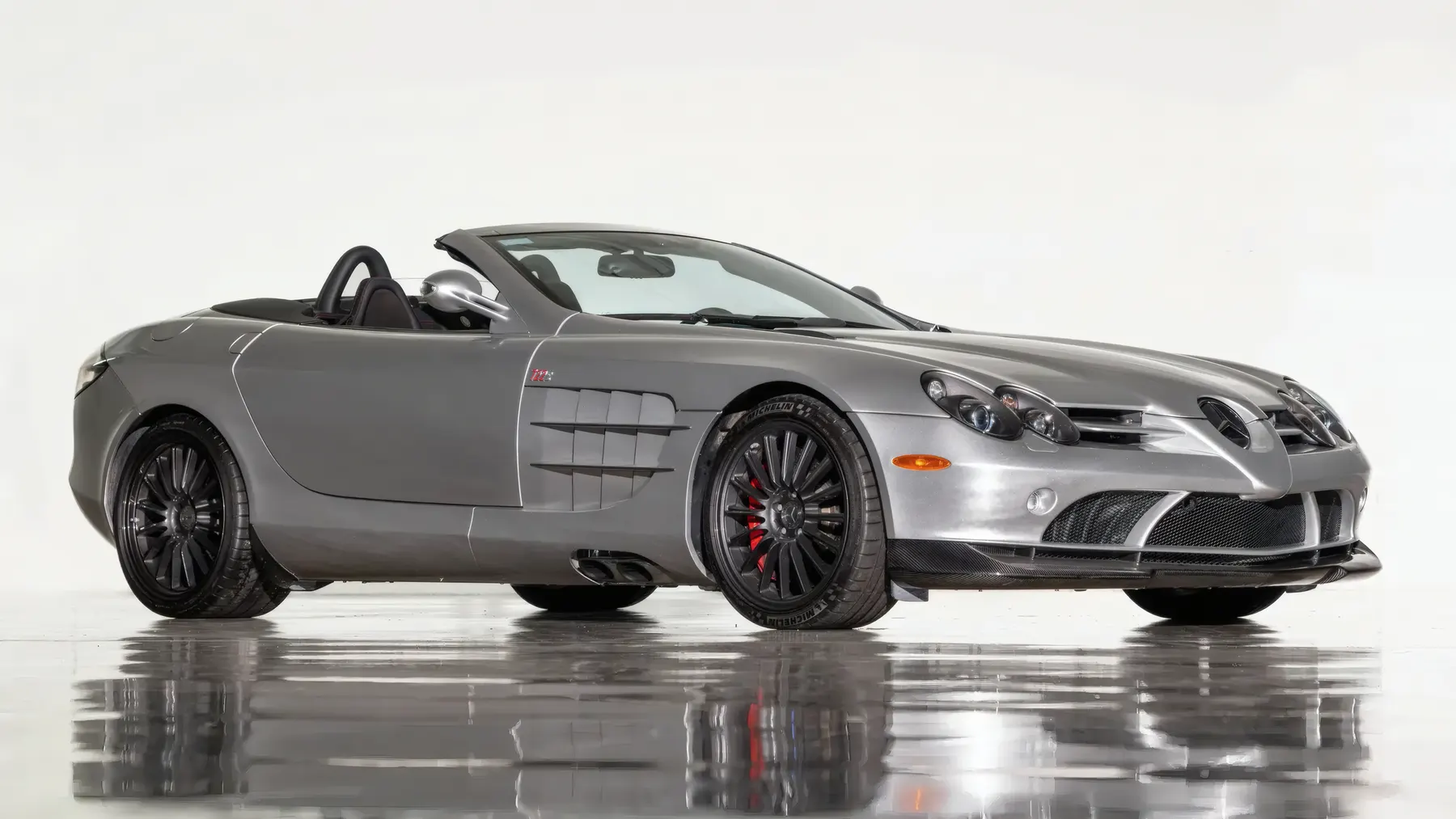
By the time Mercedes-Benz and McLaren finally built the SLR McLaren Roadster 722 S, the whole SLR project had been arguing with itself for the better part of a decade. It began as two quite different ideas for...
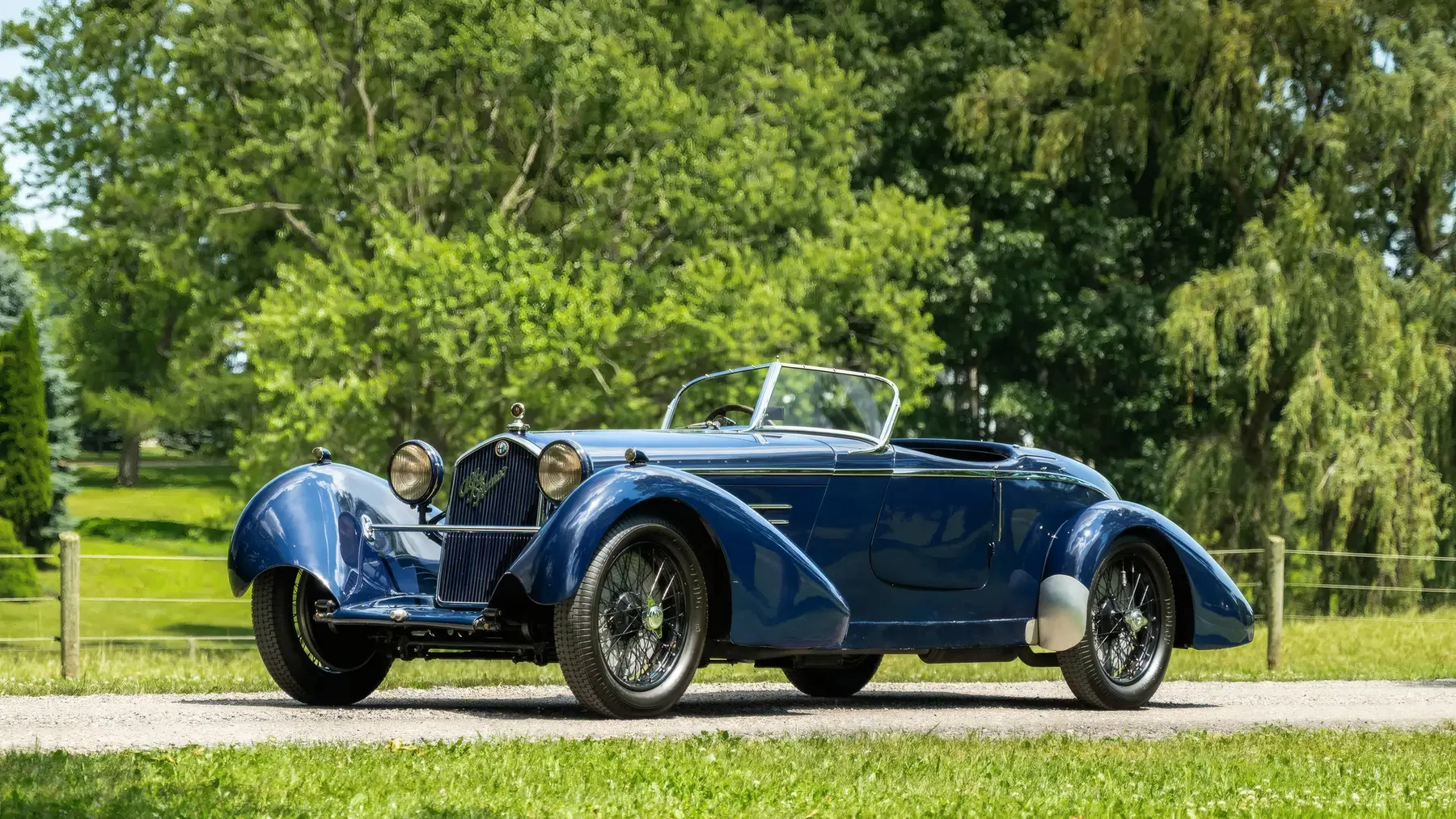
Alfa Romeo never built a body for the 8C 2300. That decision, unremarkable for an Italian racing marque of the early 1930s, is precisely what allowed one long-wheelbase 8C 2300 chassis to cross the Channel and...
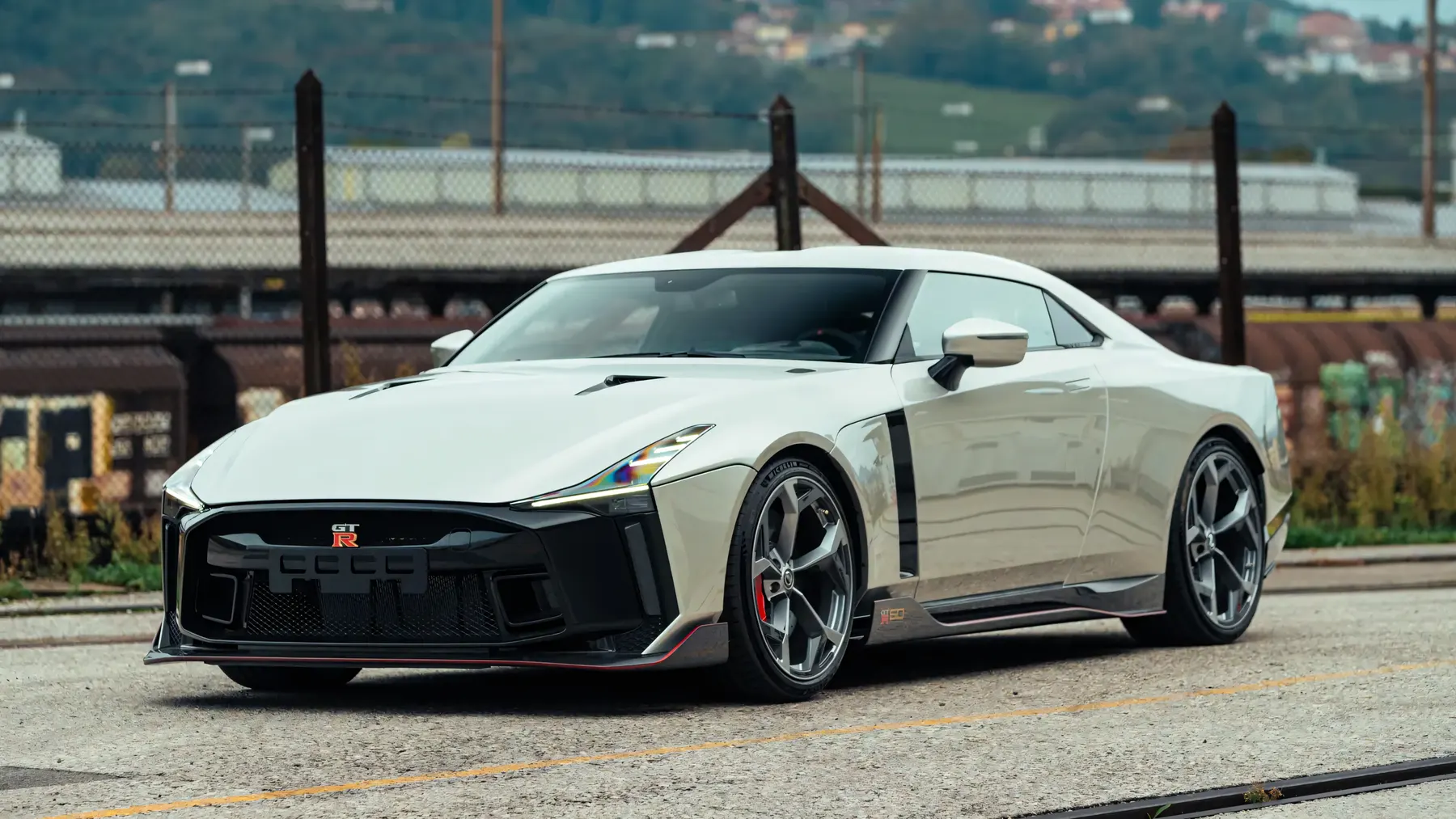
Nissan spent five decades selling the GT-R on democratised speed - the idea that outrunning a Ferrari or a Porsche shouldn't require a six-figure budget, an Italian address, or a badge with a coat of arms on it...
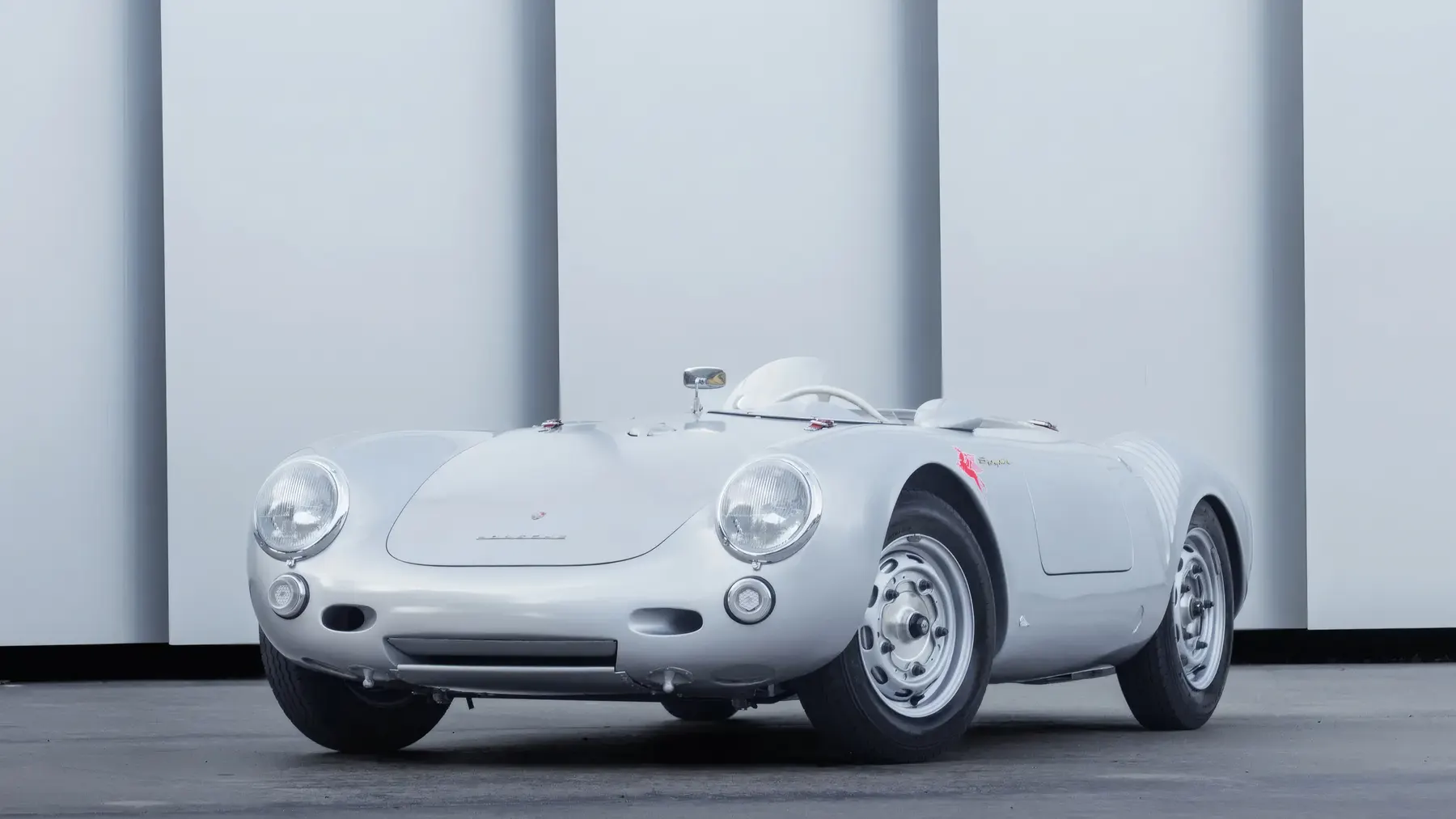
Porsche did not build the body of its own first purpose-designed racing car. That job went to Wendler, a Reutlingen coachworks that had spent the previous century making horse-drawn carriages and had only turne...