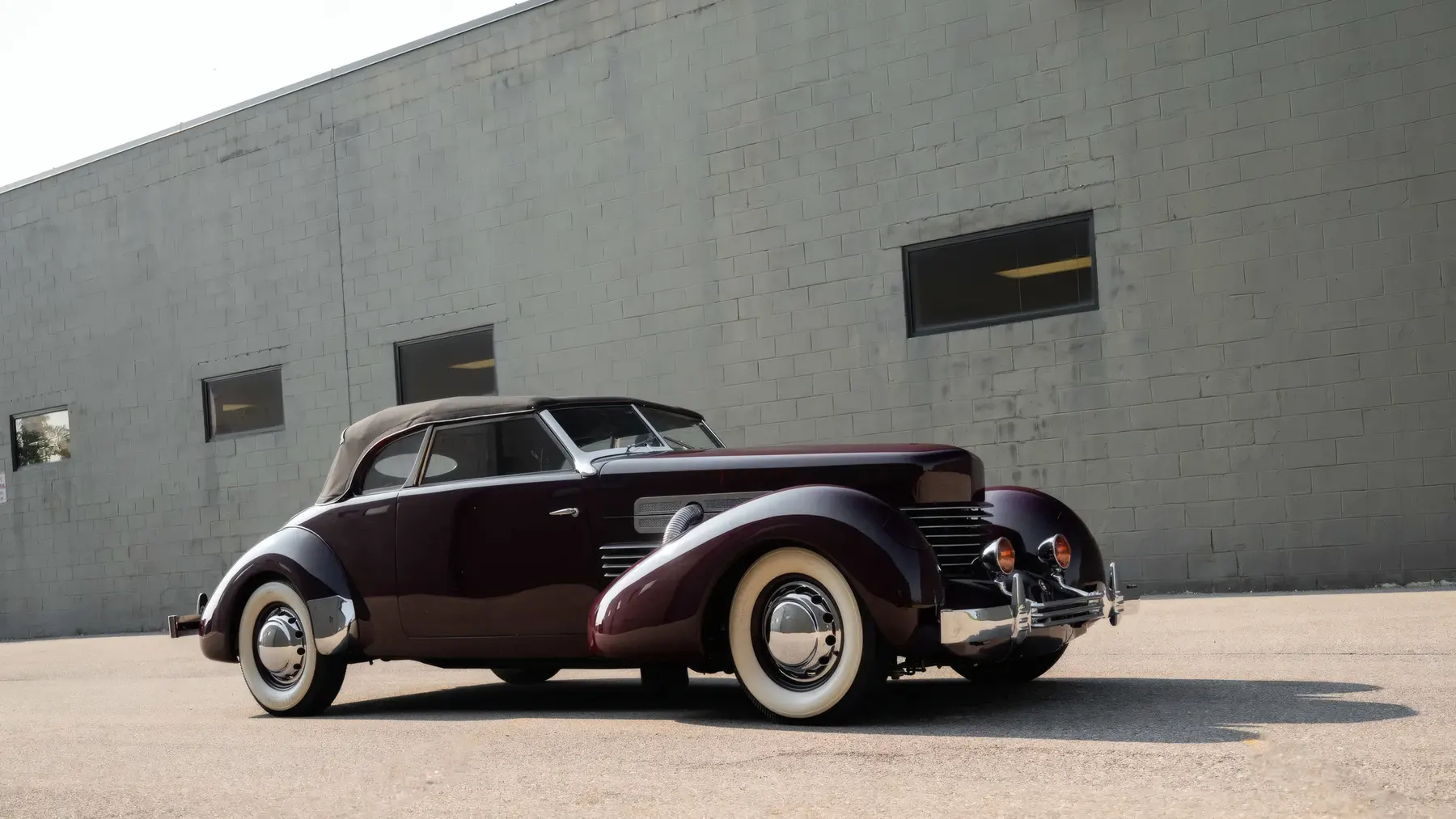
1937 Cord 812 Supercharged Phaeton
The Cord 812 Supercharged Phaeton asks its driver to make up their mind early. You choose the next gear on the steering column, and only when you dip the clutch does the car act on that choice, with a clunk tha...
Curated collection
Cars that introduced, combined or brought into production important technologies that changed how their manufacturers approached performance, handling, construction or the fundamental architecture of the automobile.
Collection note
Automotive progress rarely happens through a single invention appearing fully formed. More often, technologies proven in racing, experimental prototypes or expensive low-volume machines gradually reach production cars, where they begin influencing everything that follows. This collection gathers automobiles that marked those moments of transition: cars in which a manufacturer adopted a new suspension philosophy, drivetrain layout, engine architecture, construction method, aerodynamic principle or other significant engineering solution that reshaped its future products. Some were genuine technical firsts, while others were important because they brought previously specialised ideas into regular production or combined several established technologies in a way that created a new engineering template. Their significance does not depend on commercial success or outright performance. A technological turning point may be complicated, expensive, imperfect or even quickly superseded, yet still demonstrate a decisive change in how engineers understood the problem of making a car faster, lighter, safer, more efficient or more capable. Later models may refine the concept and become better known, but these are the cars where the direction visibly changed. They represent moments when engineering knowledge crossed from experiment into practice and established principles that manufacturers would continue developing for years afterward.
The Cord 812 Supercharged Phaeton asks its driver to make up their mind early. You choose the next gear on the steering column, and only when you dip the clutch does the car act on that choice, with a clunk tha...
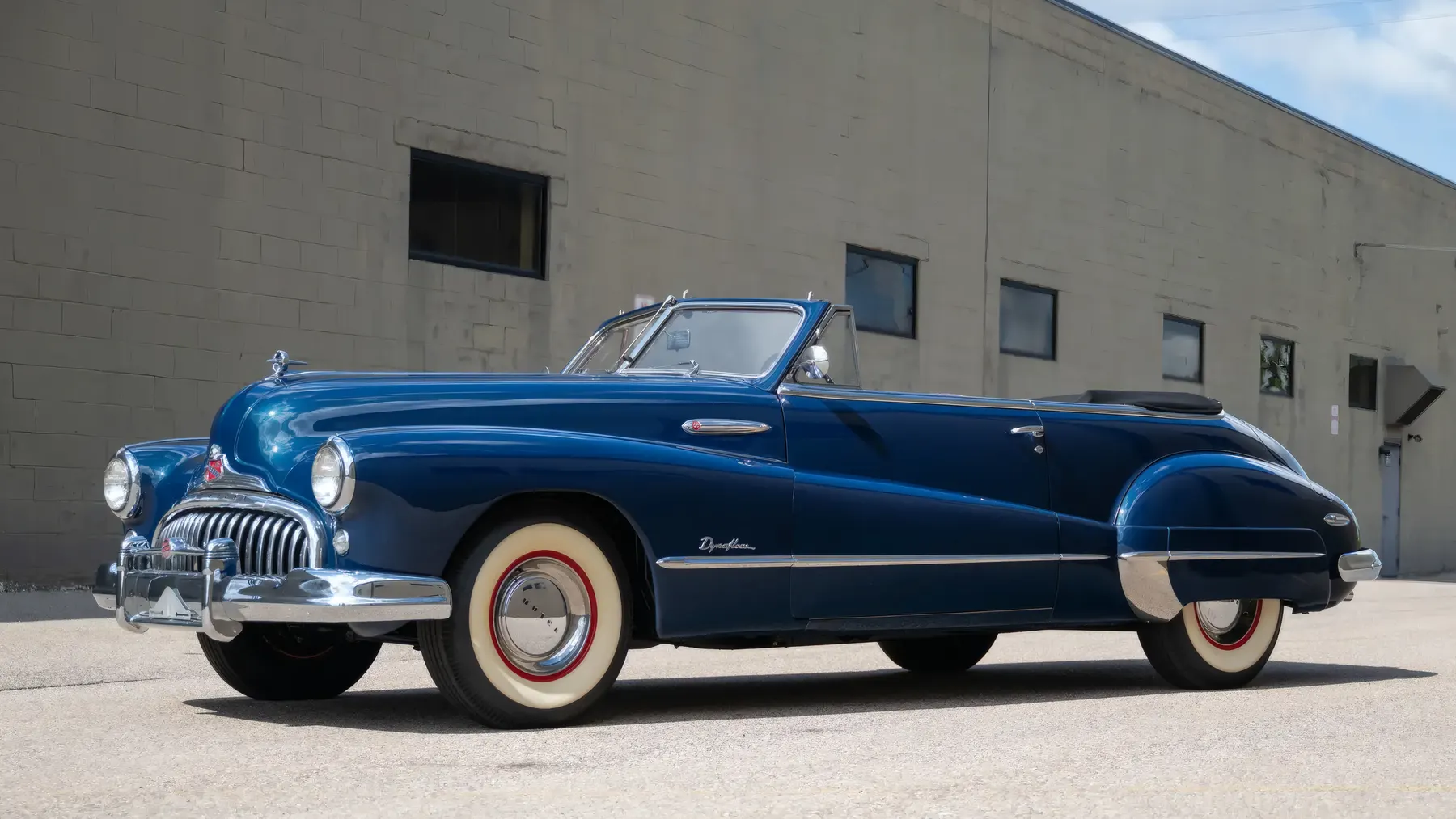
The postwar Buick Roadmaster convertible was drawn before America entered the Second World War, sold afterwards to buyers who would have taken almost anything new, and fitted in its final year with a transmissi...
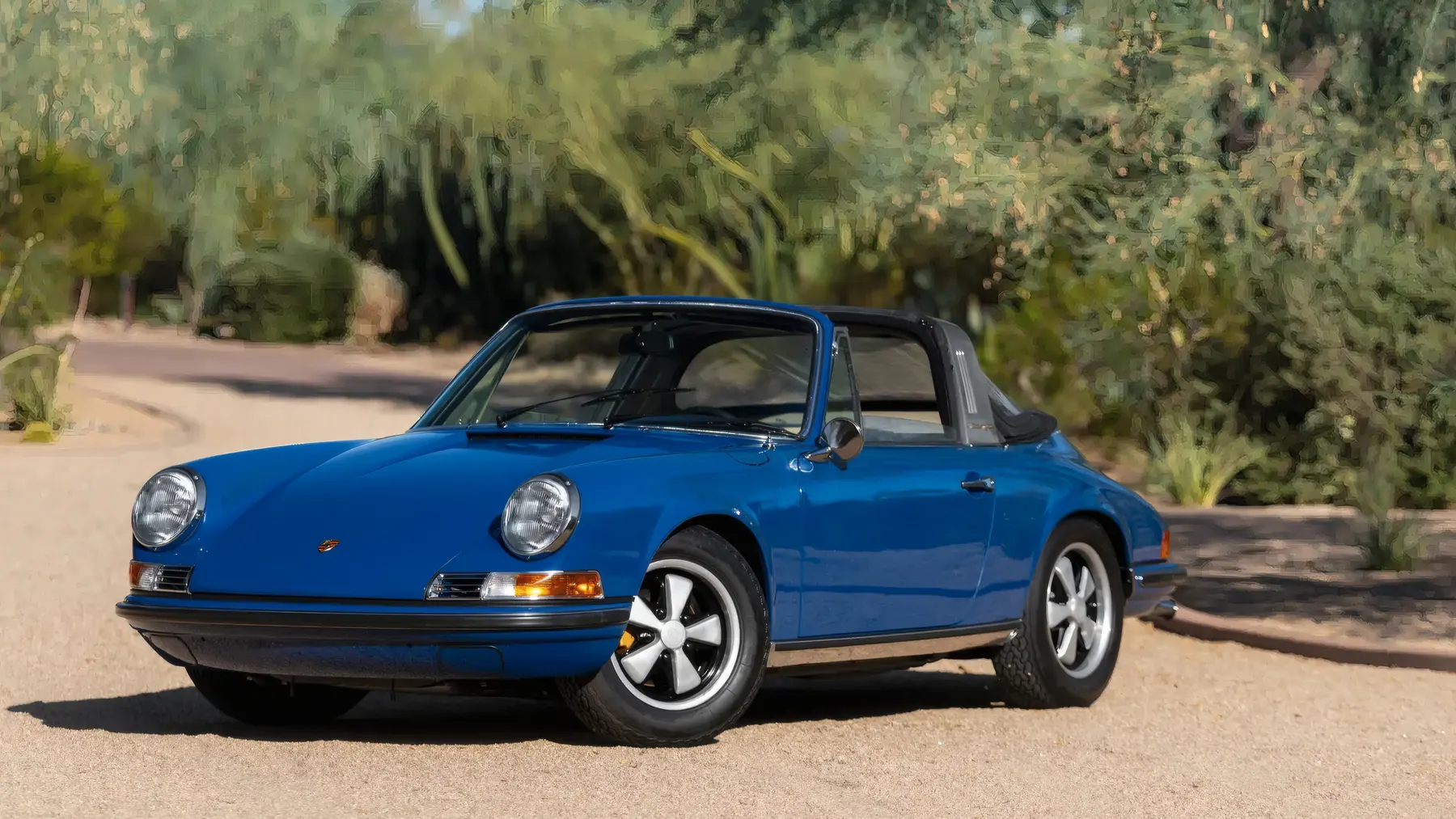
Porsche created the Targa as an act of regulatory self-defence, a way to keep an open-topped 911 alive if American lawmakers turned against the convertible, and yet the version enthusiasts now chase hardest is...
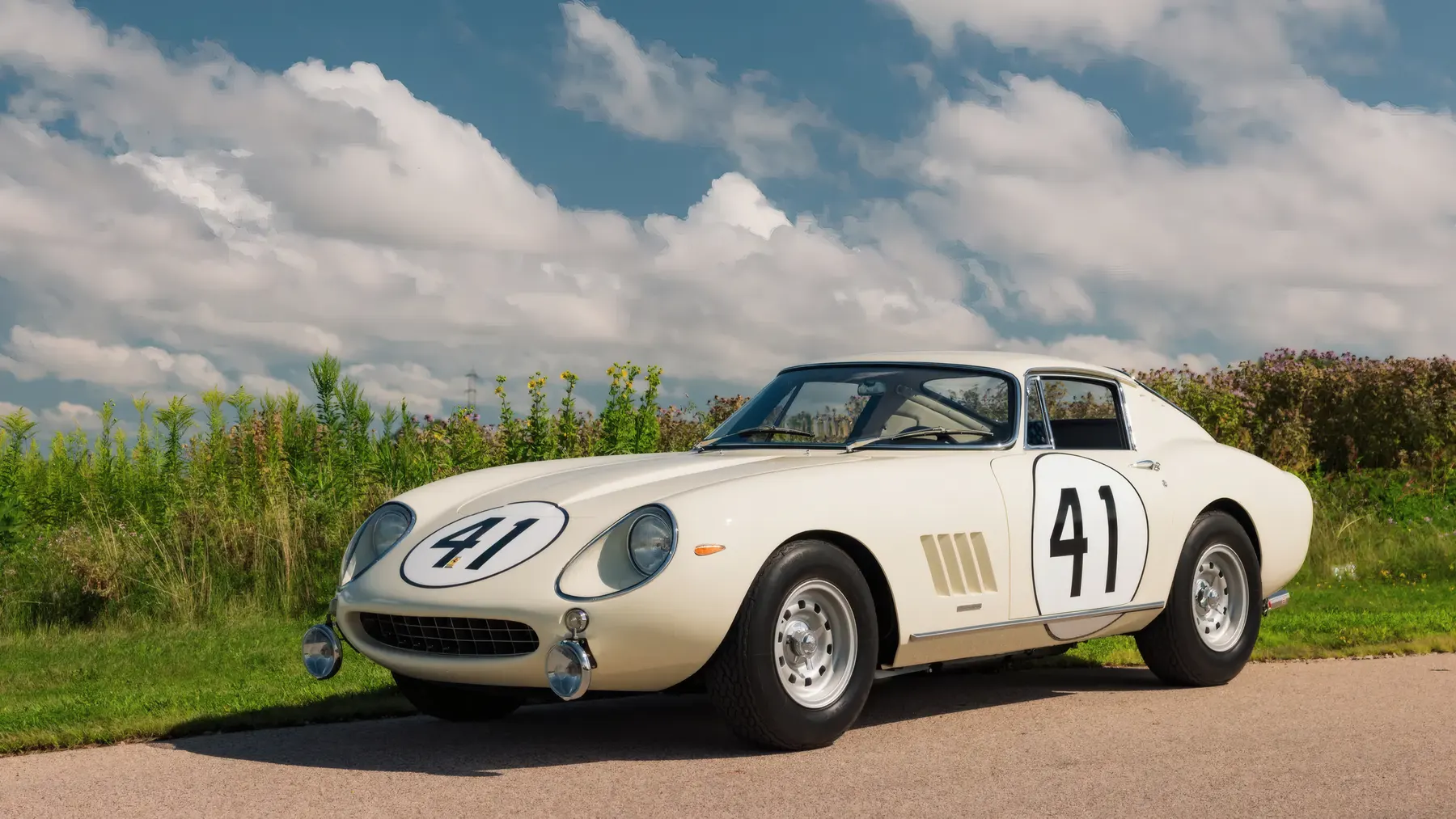
Not every lightweight Ferrari of the 1960s was built with a stopwatch in mind. Most alloy-bodied specials that left Maranello in this era went to wealthy clients who simply wanted the fastest, priciest version...
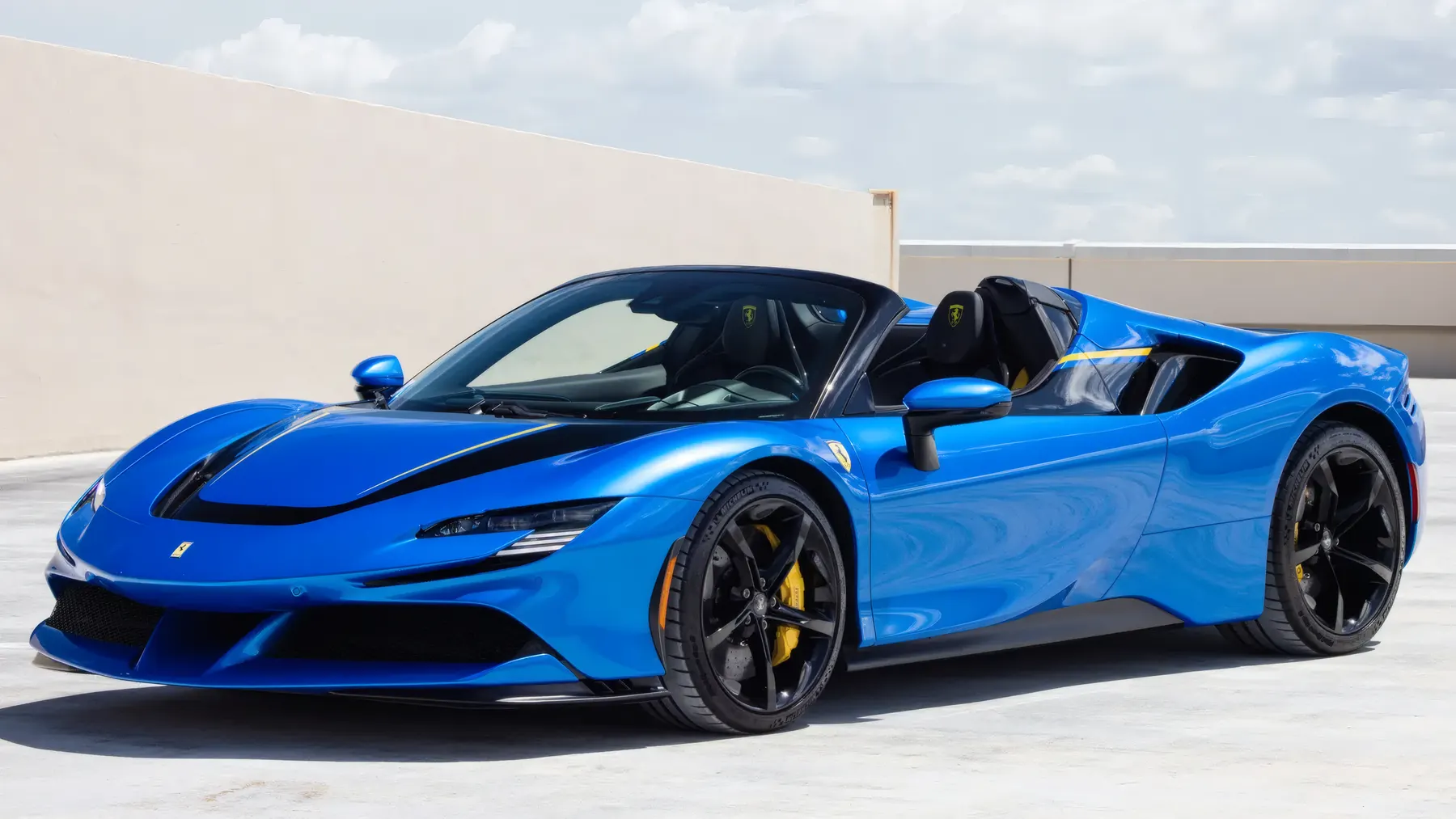
Roll a Ferrari SF90 Spider out of the garage in its default electric mode and the first thing that hits you is the silence. No bark from the exhaust, no shudder through the seat at idle, just tyre noise and a f...
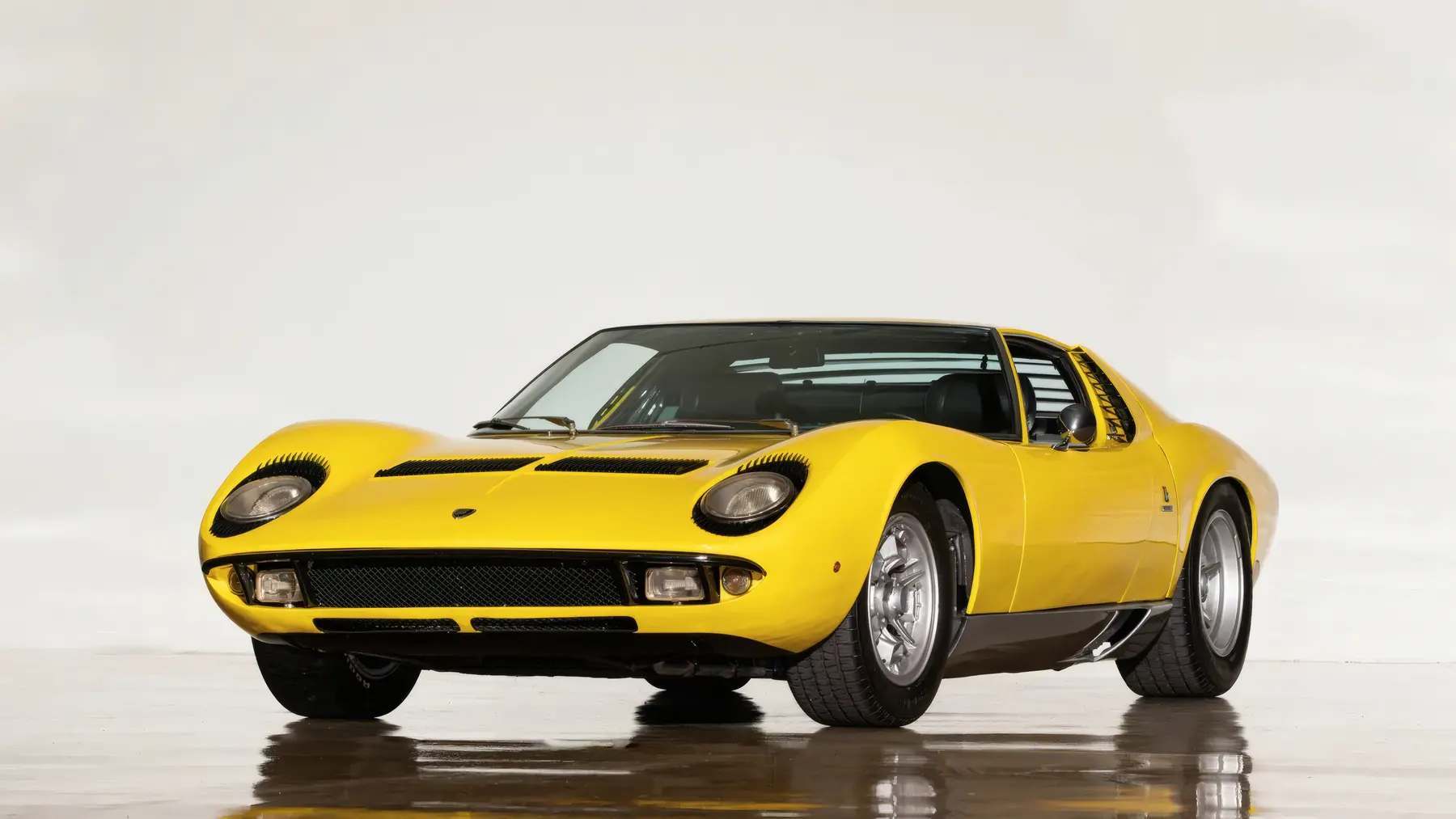
When Lamborghini wheeled a revised Miura onto its stand at the Turin Motor Show in the autumn of 1968, there was no repeat of the sensation the original had caused two and a half years earlier in Geneva. That w...

Every LP400-generation Countach carries a small fossil of an idea Lamborghini never quite got to work: a shallow channel pressed into the roof panel, running back from above the driver's head to a little window...

When Alfa Romeo wanted to show the press what its new performance saloon could do in the autumn of 1957, it didn't book a hotel conference room or a quiet stretch of Milanese autostrada. It took journalists to...
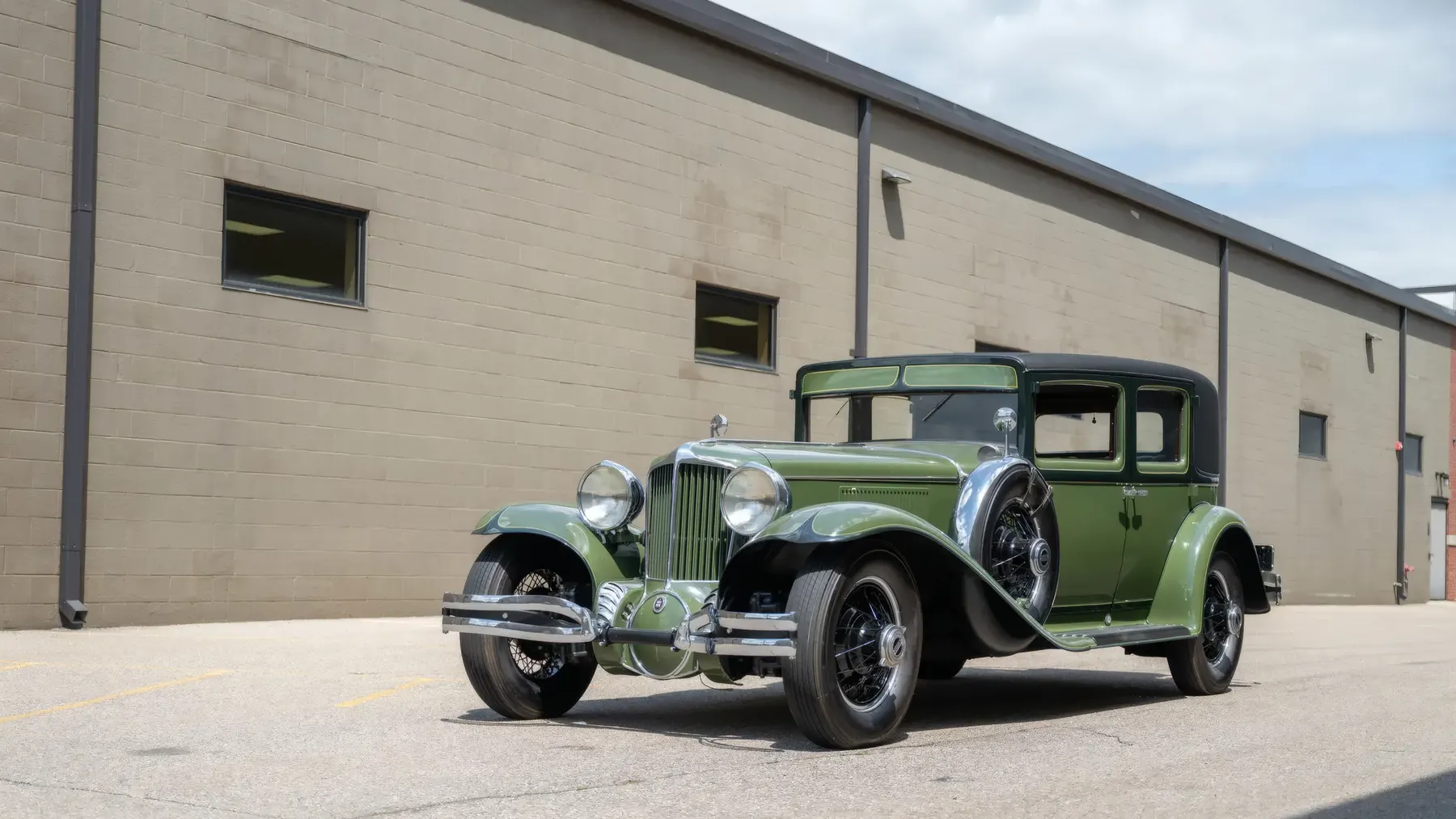
A brougham is meant to be the sensible choice: a closed four-door body with solid rear quarters, built for passengers who care more about privacy and formality than about the view out. Fitting that body to the...

Inside Rolls-Royce's Crewe drawing office in the early 1950s, the car that became the Bentley R-Type Continental was filed under a name it would never officially carry. Engineers' chassis cards described the pr...

Fiat's 1500 arrived at the Milan motor show in November 1935 wearing a body unlike anything else built in Turin, and - unusually for the period - the mechanical package underneath had been rethought to match it...

Ferrari built the 599 GTB Fiorano as its most electronically sophisticated front-engined V12 to date, stuffed with a paddle-shift gearbox that could swap cogs in a tenth of a second, magnetically adjustable dam...

Turning an engine through ninety degrees sounds like a modest exercise in packaging, but in the 348 TS it changed how a small Ferrari behaved, for better and, in its first years, for worse. The 308 and 328 had...

Enzo Ferrari was in no hurry to hand his road-car customers everything his engineers already knew how to build. By the early 1950s, Aston Martin, Jaguar and Maserati were all selling twin-cam engines to anyone...

Battista "Pinin" Farina carried more prestige than almost anyone else in Italian coachbuilding by 1951, yet when Alfa Romeo handed out contracts for its new short-wheelbase 1900C chassis, the glamour assignment...
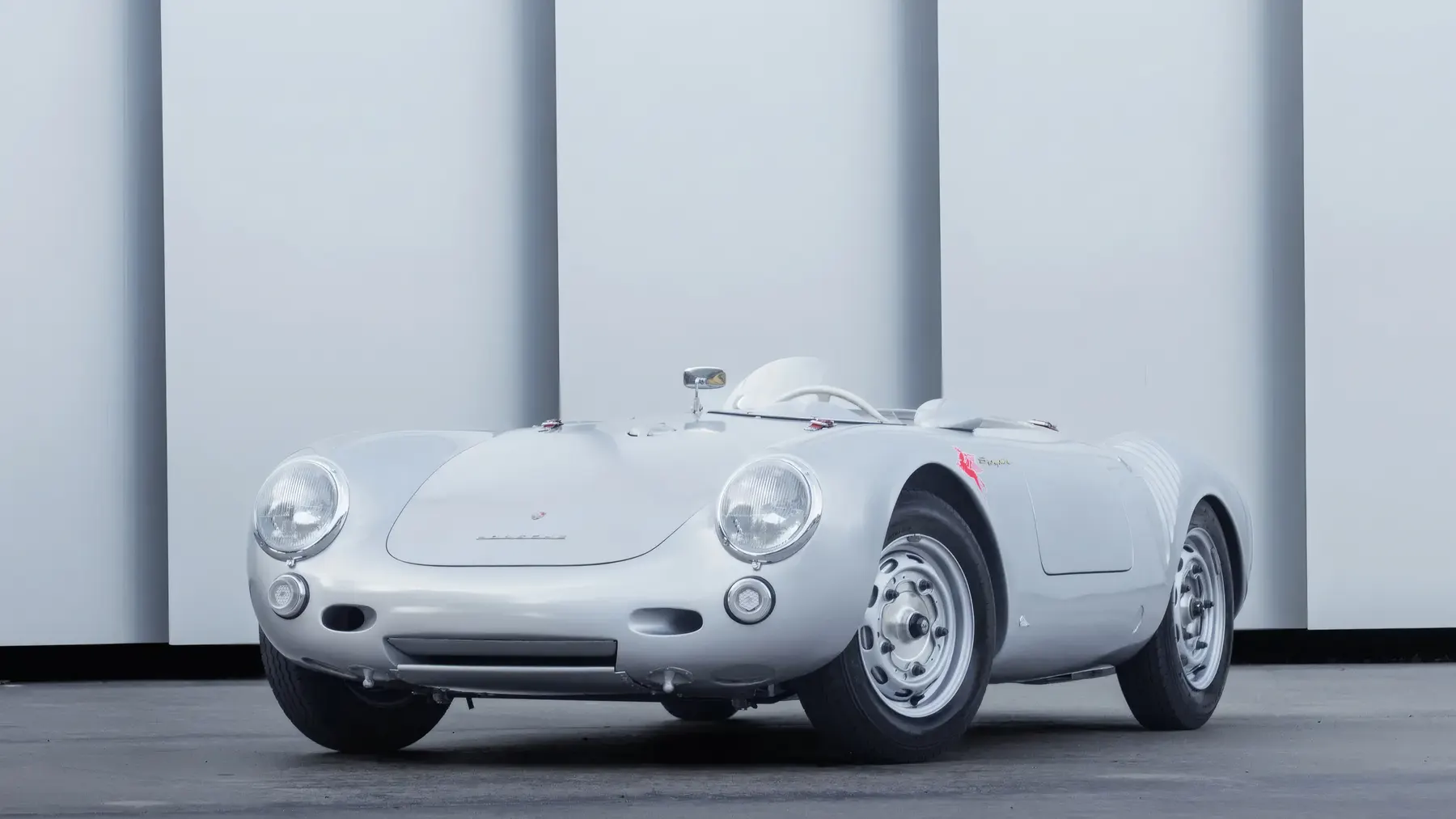
Porsche did not build the body of its own first purpose-designed racing car. That job went to Wendler, a Reutlingen coachworks that had spent the previous century making horse-drawn carriages and had only turne...